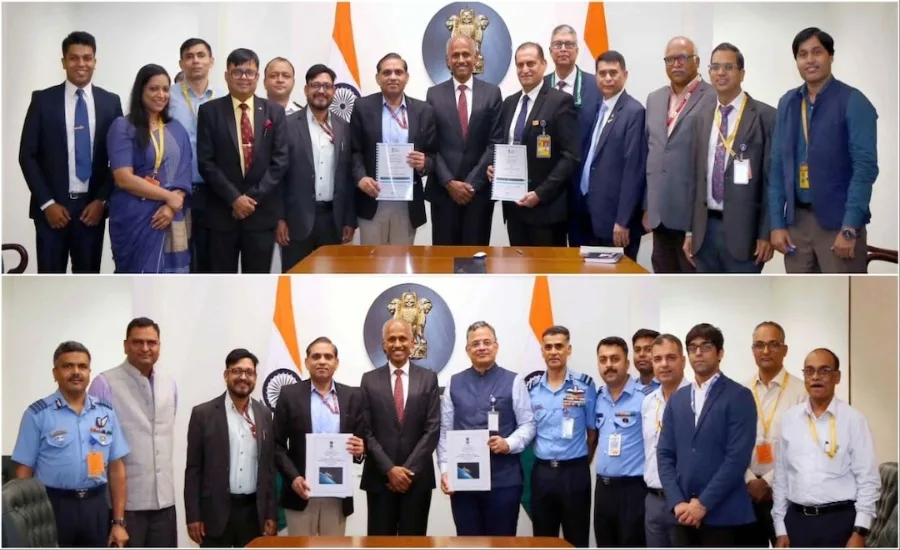
New Delhi: India’s Ministry of Defence has signed defence contracts worth ₹4,106 crore for the Indian Air Force (IAF) and the Indian Navy. Announced on October 15, 2026, the deals cover the GSAT-7C communication satellite and Varunastra Heavy Weight Torpedoes. The satellite contract is worth ₹2,563 crore, while the torpedo contract is worth ₹1,543 crore. Both projects aim to improve India’s defence capabilities, strengthen secure military communications, and support domestic defence manufacturing.
Key Highlights Of The India Defence Deal
- Total Contract Value: ₹4,106 crore
- GSAT-7C Satellite Contract: ₹2,563 crore
- Varunastra Torpedo Contract: ₹1,543 crore
- Satellite Supplier: NewSpace India Limited (NSIL)
- Torpedo Supplier: Bharat Dynamics Limited (BDL)
- Main Beneficiaries: Indian Air Force and Indian Navy
- Announcement Date: October 15, 2026
Read also: India’s Biggest Indigenous Air Defence Deal? ₹30,000 Crore Anant Shastra QRSAM Explained
Details of the Latest India Defence Deal
The Ministry of Defence has signed two separate contracts to improve the operational capabilities of India’s armed forces.
The first contract covers a dedicated communication satellite for the Indian Air Force. The second covers heavy-weight torpedoes designed to help the Indian Navy detect and engage enemy submarines. Both contracts support India’s efforts to develop important defence technologies within the country and reduce dependence on foreign suppliers.
1. GSAT-7C Satellite Contract Worth ₹2,563 Crore
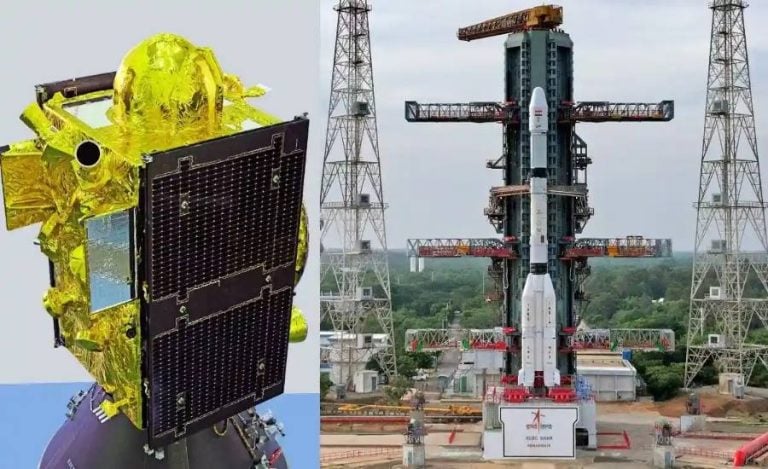
The Ministry of Defence signed a ₹2,563 crore contract with NewSpace India Limited (NSIL), Bengaluru, for the GSAT-7C communication satellite capability.
The satellite has been designed, developed, and manufactured in India. It is intended to provide secure and reliable communication for Indian Air Force assets.
How Will GSAT-7C Help The Indian Air Force?
Military communication is essential for sharing information, coordinating operations, and maintaining contact between different defence assets.
The GSAT-7C satellite is expected to strengthen the Indian Air Force’s communication network and improve the reliability of information exchange during operations. Its dedicated communication capability is intended to support secure, continuous, and effective military communication.
Why Is The GSAT-7C Satellite Important?
A reliable communication system can help the armed forces coordinate their activities more effectively. It can also support operational planning and communication between military platforms.
The satellite project is an important step towards building India’s own defence communication infrastructure and strengthening its technological independence.
2. Varunastra Heavy Weight Torpedo Contract Worth ₹1,543 Crore
The second contract, worth ₹1,543 crore, was signed with Bharat Dynamics Limited (BDL), Hyderabad. The contract covers Varunastra Heavy Weight Torpedoes for the Indian Navy. Varunastra is an indigenously developed, ship-launched anti-submarine torpedo.
It was developed by the Naval Science and Technological Laboratory (NSTL), a defence research laboratory under the Defence Research and Development Organisation (DRDO).
What Is The Varunastra Torpedo
Varunastra is a heavy-weight torpedo designed to engage enemy submarines underwater. It can be launched from naval ships and is intended for anti-submarine warfare operations.
According to the Ministry of Defence, the weapon has advanced manoeuvring capabilities that help it engage submarines at long ranges.
What are the Features Of Varunastra
- Type: Heavy-weight, ship-launched torpedo
- Primary Role: Anti-submarine warfare
- Developer: Naval Science and Technological Laboratory
- Supplier Under The Contract: Bharat Dynamics Limited
- Maximum Speed: Approximately 40 knots
- Reported Range: Approximately 40 kilometres
The torpedo is electrically propelled and designed to operate in both deep and shallow waters. It entered service with the Indian Navy in 2016.
How Will Varunastra Strengthen The Indian Navy
Submarines can pose a serious threat to naval ships and maritime operations. Anti-submarine weapons help naval forces respond to these underwater threats.
The Varunastra contract is expected to improve the Navy’s ability to conduct anti-submarine warfare and strengthen its maritime defence capabilities.
Its domestic development and production also support India’s efforts to build advanced naval weapons within the country.
Read also: Indian Army to Get ₹1,577 Crore Loitering Munitions in Major Tata-Nibe Defence Deal
FAQs
The Ministry of Defence has signed two contracts worth a total of ₹4,106 crore. These include ₹2,563 crore for the GSAT-7C communication satellite capability and ₹1,543 crore for Varunastra Heavy Weight Torpedoes.
The GSAT-7C satellite is intended to provide dedicated, secure, and reliable communication capabilities for the Indian Air Force. It is expected to strengthen military communication and improve operational effectiveness.
Varunastra is an indigenously developed, ship-launched heavy-weight torpedo designed to engage enemy submarines. It was developed by the Naval Science and Technological Laboratory under DRDO, and Bharat Dynamics Limited is the supplier under the new ₹1,543 crore contract.