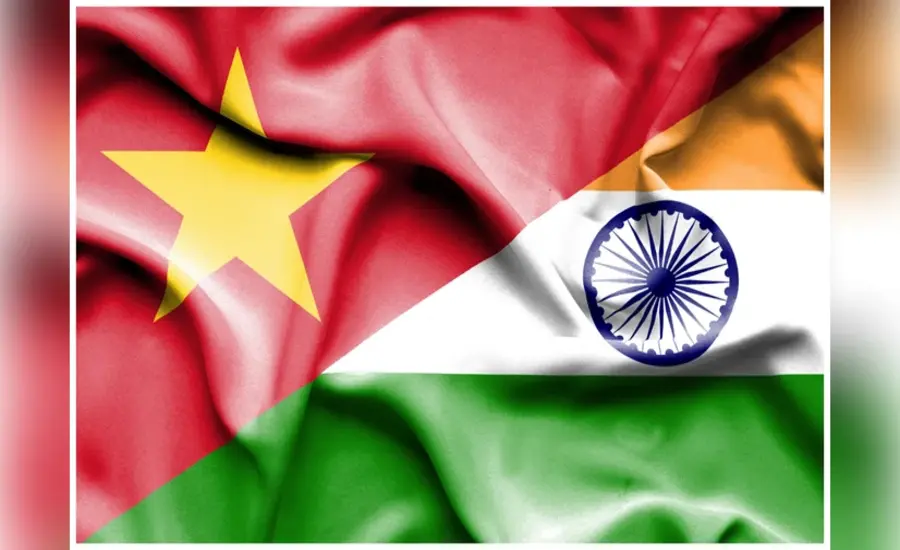
New Delhi: India-Vietnam relations entered a major new phase after both countries signed 13 important agreements during Vietnamese President To Lam’s State Visit to India. The agreements cover rare earth minerals, digital payments, healthcare, tourism, education, and technology cooperation.
Prime Minister Narendra Modi and President To Lam also announced a new bilateral trade target of USD 25 billion by 2030, showing the growing importance of the partnership in the Indo-Pacific region.
Details of India-Vietnam Relations
India and Vietnam officially elevated their relationship to an “Enhanced Comprehensive Strategic Partnership.”
This move is aimed at increasing cooperation in trade, defence, technology, maritime security, and cultural exchanges. Both countries also highlighted the need for stronger supply chains and regional stability in the Indo-Pacific.
Prime Minister Narendra Modi said India and Vietnam will work closely in critical minerals, energy security, and digital technologies. Vietnam has also agreed to join the Indo-Pacific Oceans Initiative (IPOI).
India-Vietnam Relations: 13 Major Agreements Signed
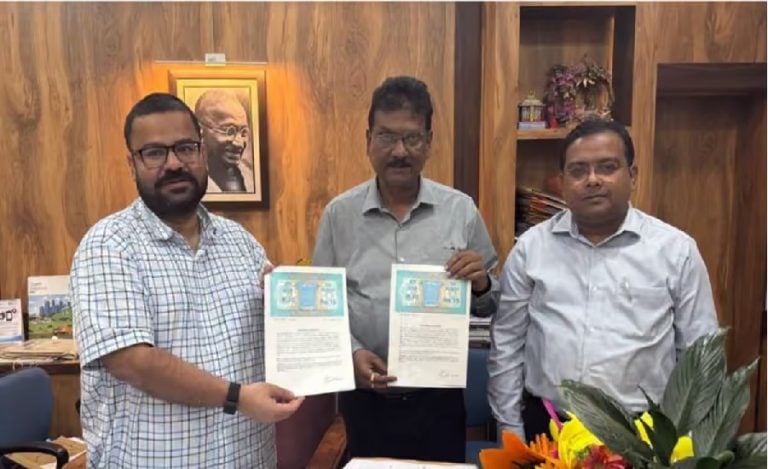
The visit resulted in 13 Memorandums of Understanding (MoUs) and several strategic announcements. According to the official PIB release, the agreements cover many key sectors.
Rare Earth and Critical Minerals Cooperation
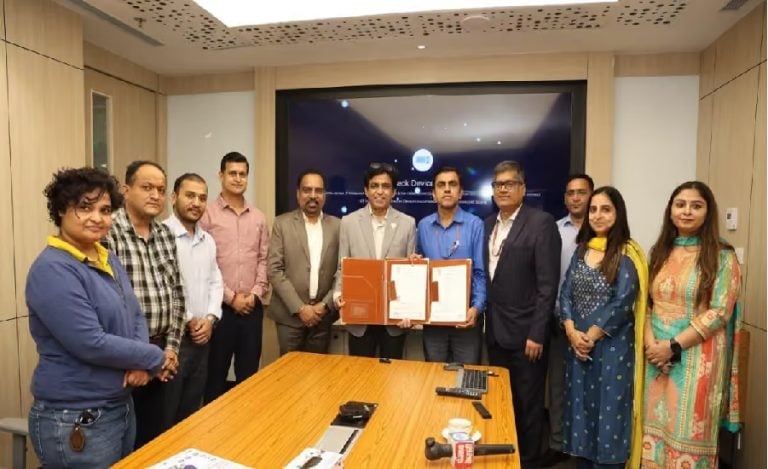
One of the most important agreements was signed between IREL (India) Ltd. and Vietnam’s Institute for Technology of Radioactive and Rare Elements (ITRRE).
The agreement focuses on cooperation in rare earth elements and new-age technologies. This is important because rare earth minerals are essential for electric vehicles, electronics, defence equipment, and clean energy technologies.
RBI and Vietnam Central Bank Sign Digital Payments Agreement
The Reserve Bank of India (RBI) and the State Bank of Vietnam signed an MoU to strengthen cooperation in digital payments and financial innovation.
India’s NPCI International Payments Limited (NIPL) also signed an agreement with Vietnam’s NAPAS for cross-border QR code payment interoperability. This could make digital transactions easier for tourists and businesses in both countries.
Healthcare and Medical Regulation Partnership
India’s Central Drugs Standard Control Organization (CDSCO) and Vietnam’s Drug Administration signed a healthcare cooperation agreement.
The partnership will improve cooperation in pharmaceuticals, biological products, medical devices, and cosmetics regulation.
Tourism and Cultural Exchange to Expand
Both nations signed a Cultural Exchange Programme for 2026-2030.
India and Vietnam also agreed to strengthen tourism cooperation and people-to-people connections. Another agreement was signed for the digitization and preservation of ancient Cham manuscripts of Indian origin preserved in Vietnam.
Education and Academic Cooperation Get Stronger
India and Vietnam signed several education-focused agreements.
Nalanda University signed an MoU with the Ho Chi Minh National Academy of Politics for training and capacity building. ICCR also partnered with universities in Da Nang and Ho Chi Minh City to establish India Studies Chairs.
These initiatives are expected to increase academic collaboration and strengthen cultural understanding between students and researchers from both countries.
India and Vietnam Set USD 25 Billion Trade Target
India and Vietnam have now set an ambitious trade target of USD 25 billion by 2030.
Bilateral trade between the two countries already crossed USD 16 billion in the last financial year. The new target reflects growing economic trust and expanding business opportunities.
Both countries also announced easier agricultural trade, including exports of Indian grapes to Vietnam and Vietnamese durian to India.
Defence Areas Discussed Between India and Vietnam
Maritime and Naval Cooperation
India and Vietnam are expected to increase naval cooperation through:
- Joint naval exercises
- Port visits by warships
- Maritime domain awareness sharing
- Coastal surveillance cooperation
- Capacity building for Vietnamese naval forces
India has already supplied patrol boats to Vietnam in the past under defence credit lines.
Defence Training and Capacity Building
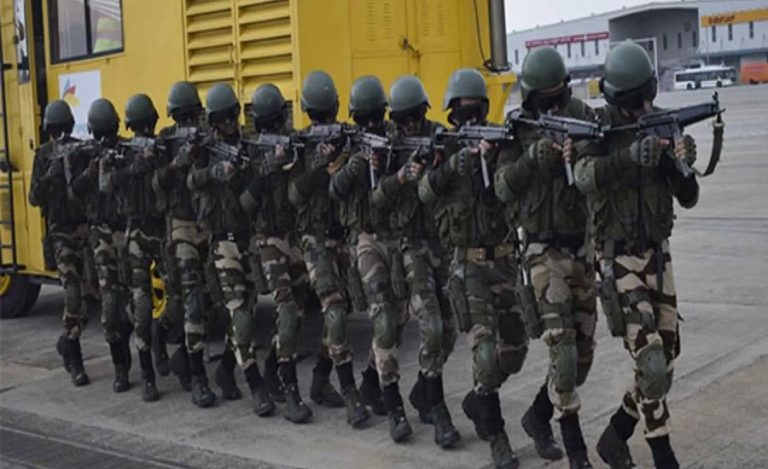
Both countries discussed expanding defence training programs for Vietnamese military personnel in India.
India has been helping Vietnam in areas such as:
- Submarine training
- Fighter pilot training
- Cyber security
- Peacekeeping operations
- Military engineering
This cooperation is expected to grow further in the coming years.
BrahMos Missile Discussions Draw Attention
One of the biggest strategic discussions linked to the visit was the possible export of the BrahMos supersonic cruise missile to Vietnam.
While no official agreement was publicly announced in the PIB statement, several media reports suggested that defence discussions included advanced missile systems and defence equipment cooperation.
If finalized in the future, Vietnam could become one of the key Southeast Asian operators of the BrahMos missile system. This would significantly strengthen Vietnam’s maritime defence capabilities in the South China Sea.
Defence Industry and Technology Cooperation
India and Vietnam also explored cooperation in:
- Defence manufacturing
- Military technology transfer
- Cyber defence
- Artificial intelligence in defence systems
- Defence startups and innovation
This aligns with India’s push for defence exports and Vietnam’s military modernization plans.
Focus on Indo-Pacific Security
India and Vietnam jointly stressed the importance of maintaining peace, stability, and freedom of navigation in the Indo-Pacific region.
Both nations support a rules-based international order and peaceful resolution of disputes in the South China Sea. Vietnam is considered one of India’s most important strategic partners in Southeast Asia due to its key location in the Indo-Pacific.
The two countries also agreed to deepen cooperation under India’s Indo-Pacific Oceans Initiative (IPOI), which Vietnam officially joined during the visit.
Why India-Vietnam Defence Ties Are Important
The growing defence partnership is important for several strategic reasons:
Countering Regional Security Challenges
Both countries share concerns about rising tensions in the South China Sea and the need to secure important global shipping routes.
Strengthening Indo-Pacific Partnerships
India views Vietnam as a trusted regional partner under its Act East Policy.
Vietnam, meanwhile, sees India as a reliable defence and technology partner that can help diversify its strategic relationships.
Expanding India’s Defence Export Goals
India is actively promoting indigenous defence systems like BrahMos, radar systems, and naval equipment to friendly countries.
Vietnam is seen as a major potential market for Indian defence exports.
Strategic Importance of the Visit
Experts believe the stronger India-Vietnam defence partnership could reshape regional strategic dynamics in Southeast Asia.
The visit showed that both countries are not only improving trade and economic ties but are also building a deeper long-term security partnership focused on maritime stability, technology cooperation, and defence preparedness.
As geopolitical competition increases in the Indo-Pacific, India and Vietnam appear ready to work more closely on regional security and strategic cooperation.