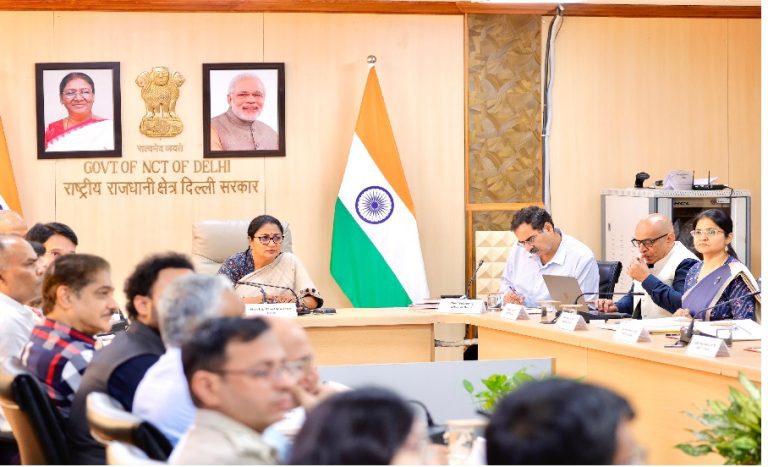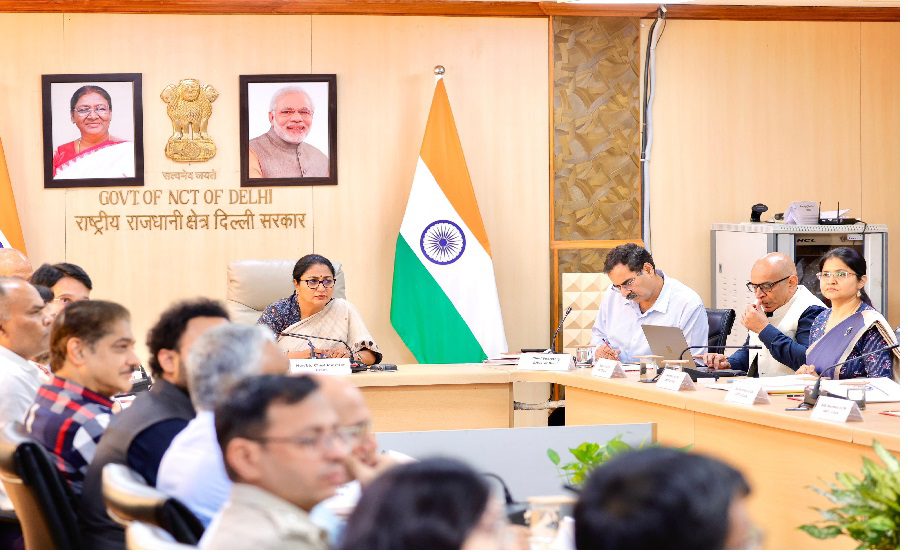
New Delhi: The Delhi government has approved the ₹17,969 crore ‘One Zone, One Operator’ project to strengthen sewerage infrastructure, improve the maintenance of sewer networks and ensure more efficient sewage management across the national capital. The project will be implemented through the Delhi Jal Board (DJB), with the aim of introducing a more systematic and technology-driven approach to sewer maintenance.
Under the initiative, Delhi will be divided into six zones, with a single operator responsible for maintaining sewer lines, manholes and pumping stations, as well as addressing complaints within each zone.
The project is designed to move away from complaint-based repairs towards preventive maintenance, using technology to identify problems before they develop into major issues.
Alongside the sewerage initiative, the DJB has approved several other measures, including a ₹6,044.05 crore South Delhi Water Supply Project, new water and sewer tariff regulations, a rainwater harvesting policy and individual water connections for domestic and non-domestic units.
‘One Zone, One Operator’ Project: Key Features
The ₹17,969 crore project aims to improve the reliability and efficiency of Delhi’s sewerage network by assigning clear maintenance responsibilities to a single operator in each of the six zones.
The designated operators will be responsible for the upkeep of sewer lines, manholes and pumping stations, along with resolving complaints related to sewerage services. This unified system is intended to improve accountability and ensure better coordination in the maintenance of sewer infrastructure.
A major feature of the project is the provision for 100% mechanical and robotic sewer cleaning. The initiative aims to reduce dependence on manual cleaning and introduce modern equipment for sewer maintenance.
Read also: Delhi Expands Air Quality Monitoring Network to 60 Stations, Flags Off 150 Electric Buses
Technology-Driven and Preventive Sewer Maintenance
The project will introduce a preventive maintenance system supported by technology and regular inspections. Instead of waiting for residents to report blockages or other sewer-related problems, operators will be expected to monitor the network and identify potential issues in advance.
Key measures include:
- Geo-tagged inspections of sewer infrastructure.
- Real-time monitoring of sewer networks.
- A central command centre for monitoring and coordination.
- Mechanical and robotic sewer cleaning.
- Defined responsibility for maintenance and complaint resolution.
These measures are intended to improve the monitoring of sewer networks, enable faster responses to faults and reduce recurring sewerage problems across Delhi.
DJB Approves Delhi Water and Sewer Regulations 2026
The Delhi Jal Board has approved the Delhi Water and Sewer (Tariff and Metering) Regulations, 2026, replacing the previous regulations introduced in 2012.
The new regulations mark an update to the framework governing water and sewer tariffs and metering in the capital. Their approval forms part of the broader set of measures aimed at improving the management and delivery of water and sewerage services.
South Delhi Water Supply Project Approved for ₹6,044.05 Crore
The DJB has also approved a separate ₹6,044.05 crore South Delhi Water Supply Project to transform water supply infrastructure across 12 Assembly constituencies.
The project aims to strengthen water supply systems and improve infrastructure in the areas covered by the initiative.
The proposed funding structure includes contributions from the Government of India’s Urban Challenge Fund, the Delhi government and loans.
The funding pattern is as follows:
- 25%: Government of India’s Urban Challenge Fund.
- 25%: Delhi government.
- 50%: Loans.
This funding model is intended to combine government support with loan-based financing to help implement the large-scale water infrastructure project.
Rainwater Harvesting Policy 2026 to Support Water Conservation
The Delhi Jal Board has approved the Rainwater Harvesting Policy 2026, aligned with the Master Plan of Delhi 2047.
Under the policy, rainwater harvesting compliance will be mandatory for all government buildings.
The initiative also connects rainwater harvesting with broader urban water management priorities, including drainage management, flood control and groundwater recharge.
The policy aims to encourage better use of rainwater, strengthen water conservation and support measures to address water-related challenges in the capital.
Individual Water Connections for Domestic and Non-Domestic Units
The DJB has approved a proposal to provide individual water connections to domestic and non-domestic units. The move is intended to improve access to water supply services by providing separate connections to individual units. The proposal forms part of the wider effort to strengthen Delhi’s water distribution infrastructure and improve service delivery.
13 New Sewage Treatment Plants to Help Reduce Yamuna Pollution
The Delhi Jal Board is constructing 13 new sewage treatment plants (STPs) under the National Mission for Clean Ganga, with a total outlay of ₹7,373 crore.The projects aim to improve sewage treatment capacity and reduce the discharge of untreated sewage into the Yamuna River.
By expanding sewage treatment infrastructure, the initiative seeks to strengthen wastewater management and support efforts to improve the river’s water quality.
Delhi Government’s Focus on Water and Sewerage Infrastructure
The approval of the ‘One Zone, One Operator’ project, along with the South Delhi Water Supply Project and other DJB initiatives, reflects a broader push to improve Delhi’s water and sewerage infrastructure.
The measures cover sewer network maintenance, technology-based monitoring, water supply improvements, rainwater harvesting and sewage treatment.
Together, they aim to support more efficient service delivery, improve accountability and strengthen the management of water resources and wastewater across the capital.
Read also: Delhi’s ₹924 Crore Yamuna Clean-Up Push: Two New Sewage Plants Get Approval