22 November 2026
ADVERTISEMENT
ADVERTISEMENT

Inside the India’s Most Powerful Radar Technology that Could Outclass Existing Radar Systems

DRDO is exploring Gallium Oxide technology to develop next-generation defence radars and early warning systems, aiming to surpass GaN capabilities
Pinaka Aerospace DRDO Airborne Radar Testing Deal
Indian Masterminds Stories

New Delhi: India’s defence research is entering a new era with DRDO Gallium Oxide Technology emerging as a potential breakthrough for advanced radar systems. The Defence Research and Development Organisation (DRDO) is now exploring gallium oxide (Ga₂O₃), a next-generation semiconductor material that could significantly improve radar performance, efficiency, and power handling. 

This move goes beyond the currently used Gallium Nitride (GaN) technology and aims to strengthen India’s indigenous defence capabilities, especially in high-power radar and early warning systems. With growing regional security challenges, such innovation is crucial for maintaining technological superiority.

What is Gallium Oxide Technology

Gallium Oxide (Ga₂O₃) is an ultra-wide bandgap semiconductor material. It is considered more advanced than Gallium Nitride (GaN), which is already widely used in defence electronics.

Read also: Project Kusha: How DRDO is Building India’s Next-Generation Long-Range Air Defence System to Rival S-400

What are the Features of Gallium Oxide Technology

  • Higher breakdown voltage than GaN
  • Better efficiency in high-power applications
  • Lower energy loss
  • Ability to operate at extreme conditions

This makes it ideal for next-generation defence radars and surveillance systems.

Why DRDO is Moving Beyond GaN

India has already made strong progress in GaN-based radar systems. However, DRDO is now focusing on future-ready technologies.

Limitations of GaN

  • Limited power handling compared to Ga₂O₃
  • Efficiency plateaus at very high frequencies
  • Thermal challenges in extreme environments

Advantages of Gallium Oxide

  • Can handle much higher voltages
  • Enables smaller and more powerful radar systems
  • Improves detection range and accuracy

This transition shows DRDO’s long-term vision to stay ahead in defence technology.

What is the Impact of DRDO Gallium Oxide Technology

The adoption of Gallium Oxide technology could transform multiple defence applications:

1. Advanced Radar Systems

  • Longer detection range
  • Better tracking of stealth targets
  • Improved signal clarity

2. Early Warning Systems

  • Faster response time
  • Enhanced threat detection capability
  • Better integration with air defence networks

3. Electronic Warfare

  • More powerful jamming systems
  • Increased resilience against enemy countermeasures

What is the Importance of DRDO Gallium Oxide Technology

DRDO’s focus on Gallium Oxide aligns with India’s Atmanirbhar Bharat (self-reliant India) mission.

Strategic Benefits:

  • Reduced dependence on foreign technology
  • Strengthening domestic semiconductor ecosystem
  • Boost to defence manufacturing sector

India is aiming to become a global leader in defence electronics by investing in cutting-edge materials like Ga₂O₃.

Key Challenges Ahead

Despite its potential, Gallium Oxide technology is still in early development stages.

Key Challenges:

  • Manufacturing complexity
  • High production costs
  • Limited global expertise
  • Need for specialized fabrication infrastructure

DRDO will need strong collaboration with academic institutions and industry partners to overcome these hurdles.

Future Outlook

Gallium Oxide could be a game-changer for India’s defence sector in the coming decade.

  • Likely to power next-gen radars and missile systems
  • Could replace GaN in high-power applications
  • May open new opportunities in civilian sectors like power electronics

If successfully developed, India could join the elite group of nations working on ultra-wide bandgap semiconductor technologies.

Read also: Explained: What is Drishti-10 Starliner MALE Drone? Features, Capabilities and Strategic Importance For Maritime Defence


Indian Masterminds Stories
Join our WhatsApp Channel
ADVERTISEMENT
ADVERTISEMENT
Related Stories
ADVERTISEMENT
ADVERTISEMENT
NEWS
Mohan Yadav Uttarakhand Visit
Madhya Pradesh Promotes Tribal Art, Women's Empowerment Through GI Tags and Tribal Cafeterias: CM Mohan Yadav
Delhi Metro DMRC
DMRC Appoints Sandesh Shrivastava as Director (Works), Strengthening Project Leadership 
Vikramshila Power Transmission Project
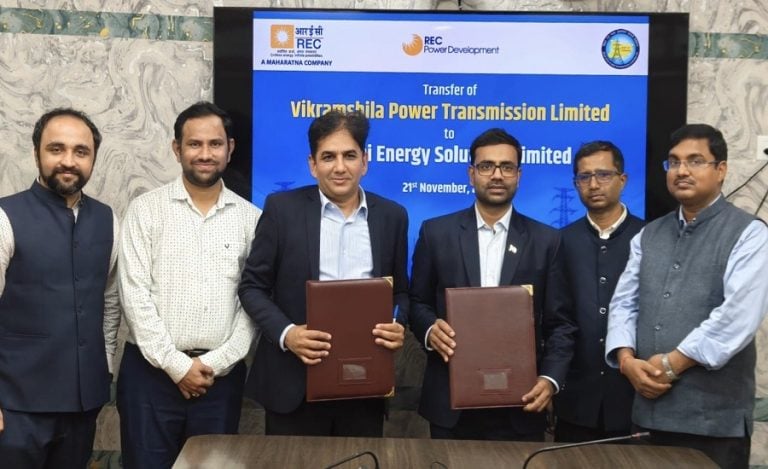
RECPDCL Hands Over Vikramshila Power Transmission SPV to Adani Energy Solutions for Bihar Project
DFCCIL Sustainability Award 2026
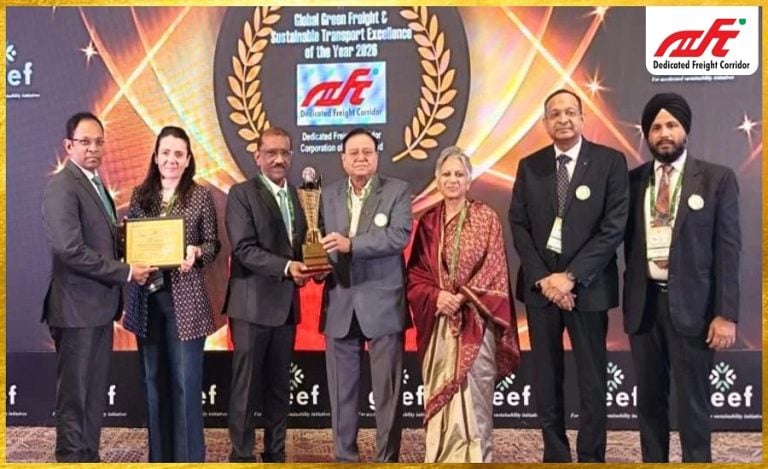
DFCCIL Wins Global Green Freight & Sustainable Transport Excellence of the Year 2026 Award
NALCO CIPET Skill Development Programme
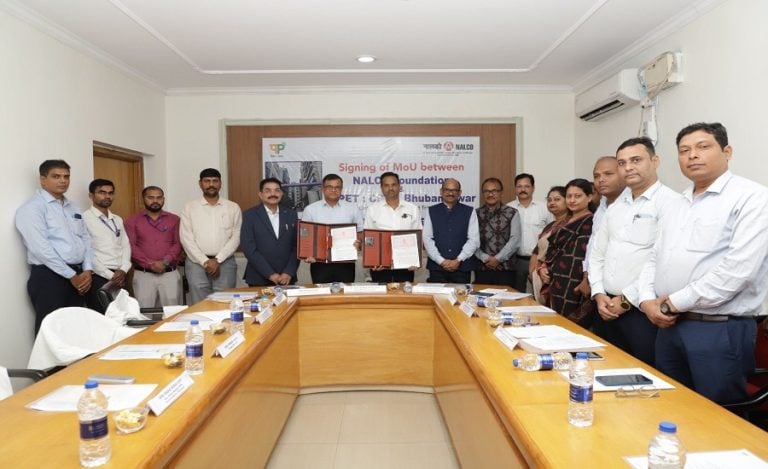
NALCO Foundation Signs MoU with CIPET Bhubaneswar to Provide Skill Training to 30 Youth from Odisha Villages 
Gaya Tricycle Repair Camps
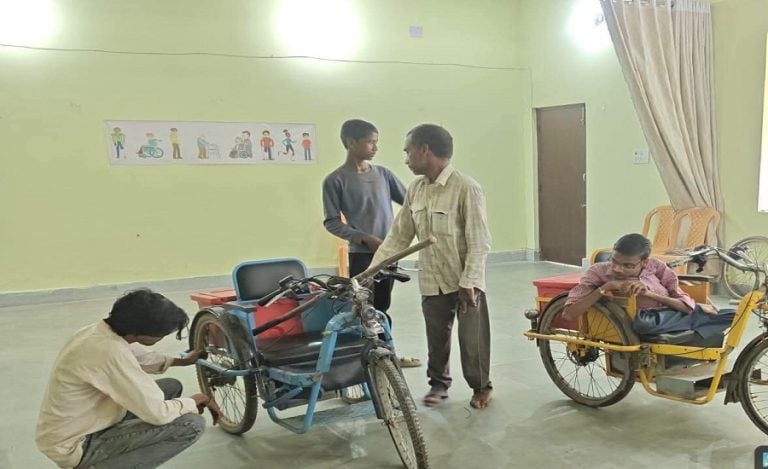
Bihar: Battery-Powered Tricycle Service Camps to Be Held in Gaya from November 23 to 25
Buxar Thermal Power Project
PM Modi Dedicates Second 660 MW Unit of SJVN's Buxar Thermal Power Project to Nation
Central Bank of India Banking Award 2026
Central Bank of India Wins AI-Led Banking Loyalty Award for Cent Rewardz at Elets BFSI AI 50 Summit 2026 
ADVERTISEMENT
ADVERTISEMENT
Videos
Five years after Kargil, India sent its cricketing heroes to Pakistan where terrorism posed a deadly threat. The man guarding them, former Special Director of Intelligence Bureau, Mr. Yashovardhan Azad, reveals what all went behind the scenes during that crucial tour. 
Trust No One, Said His Instinct in Pakistan
Gajendra Singh Shekhawat
How India Plans to Boost Tourism, Create Jobs and Ease Overcrowding : Gajendra Singh Shekhawat on the Road to 2047
Dr Saket Badola IFS
Beyond Tigers and Safaris: How Corbett Literature Festival Wants to Change the Conservation Conversation
ADVERTISEMENT
UPSC Stories
Mayank Gurjar
He Lost His Father in Class 12, Then Cleared UPSC in One Attempt to Become an IPS Officer
After losing his father in Class 12, Mayank Gurjar held on to his dream of public service, graduated...
Gautam UPSC
He Studied at 4 AM in a 10×10 Mumbai Slum Room; Today, Gautam Padibhar is an Indian Forest Service Officer
Meet IFS officer Gautam Padhibhar, a 2023-batch Chhattisgarh cadre officer who rose from financial hardship...
Aniket Sagar ICoAS
No Coaching, Full-Time Job and Two Attempts: How Aniket Sagar Cleared ICoAS
Aniket Sagar, a chartered accountant from Bundelkhand, cleared UPSC ICoAS 2025 after working at PwC,...
CSR NEWS
NALCO CIPET Skill Development Programme
NALCO Foundation Signs MoU with CIPET Bhubaneswar to Provide Skill Training to 30 Youth from Odisha Villages 
CSR initiative to provide specialised training in Plastics Processing and Injection Moulding to youth...
mdl
MDL Signs CSR MoUs with NWWA to Support Healthcare and Education for Naval Families
Partnership Covers Medical Equipment for Family Medical Centre, Educational Welfare of Children of Naval...
NBCC CSR Medical Equipment
NBCC India Hands Over CSR-Sponsored Medical Equipment to Mokokchung District Hospital in Nagaland 
The CSR initiative aims to improve medical infrastructure at the district hospital, which serves patients...
ADVERTISEMENT
ADVERTISEMENT
ADVERTISEMENT
Latest
Mohan Yadav Uttarakhand Visit
Madhya Pradesh Promotes Tribal Art, Women's Empowerment Through GI Tags and Tribal Cafeterias: CM Mohan Yadav
Delhi Metro DMRC
DMRC Appoints Sandesh Shrivastava as Director (Works), Strengthening Project Leadership 
ADVERTISEMENT
ADVERTISEMENT
ADVERTISEMENT
ADVERTISEMENT
ADVERTISEMENT
ADVERTISEMENT
ADVERTISEMENT
Videos
Five years after Kargil, India sent its cricketing heroes to Pakistan where terrorism posed a deadly threat. The man guarding them, former Special Director of Intelligence Bureau, Mr. Yashovardhan Azad, reveals what all went behind the scenes during that crucial tour. 
Gajendra Singh Shekhawat
Dr Saket Badola IFS
ADVERTISEMENT
ADVERTISEMENT