New Delhi: The BRICS multilateral system commitment was strongly highlighted during the BRICS Foreign Ministers’ Meeting 2026 held in New Delhi. Member nations stressed the need for a more accountable, democratic, and representative international system amid rising global tensions, economic uncertainty, and geopolitical conflicts.
India, under its BRICS 2026 presidency, pushed for reforms in global institutions like the United Nations and international financial bodies while encouraging stronger cooperation among Global South nations.
Key Highlights From the BRICS Foreign Ministers’ Meeting 2026
- BRICS countries reiterated support for:
- Multilateralism
- International law
- UN Charter principles
- Peaceful conflict resolution
- Inclusive global governance
Read also: Explained: India’s BRICS 2026 Logo, Theme, Strategic Priorities and Vision Under Jaishankar
- Leaders called for:
- Reform of the United Nations Security Council
- Better representation for developing countries
- Stronger financial cooperation among BRICS nations
- More transparent global institutions
- The meeting was hosted in New Delhi as part of India’s BRICS 2026 presidency agenda.
BRICS Foreign Ministers’ Meeting 2026: India Pushes for Global Governance Reforms
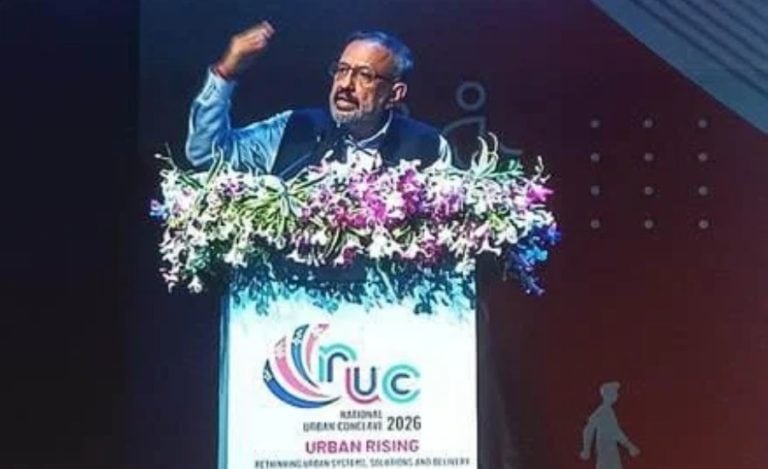
India’s External Affairs Minister S. Jaishankar said current global institutions reflect an “earlier era” and no longer represent modern geopolitical realities.
He emphasized:
- Greater participation for Asia, Africa, and Latin America
- Urgent reform of the international financial architecture
- Stronger cooperation among developing economies
India also reaffirmed its support for “reformed and effective multilateralism” during the discussions.
BRICS Focuses on Global South Representation
BRICS leaders said the current international system must become:
- More democratic
- More accountable
- More representative
- More inclusive
The grouping believes developing nations should have a stronger voice in global decision-making processes. The discussions also focused on:
- Climate change
- Sustainable development
- Global trade fairness
- Digital cooperation
- Economic stability
Officials highlighted the importance of joint efforts to address worldwide challenges affecting future generations.
BRICS Foreign Ministers’ Meeting 2026: Internal Differences Still Visible
Despite broad agreement on multilateral reforms, BRICS members reportedly faced differences over the Middle East crisis and global conflict-related issues.
Reports suggested that member countries could not fully agree on a unified joint statement regarding ongoing geopolitical tensions involving Iran, Israel, and the United States. However, the bloc continued to stress diplomacy and peaceful dialogue over unilateral pressure and sanctions.
India’s BRICS 2026 Vision
India is expected to focus on:
- Resilience
- Innovation
- Cooperation
- Sustainability
Prime Minister Narendra Modi earlier described BRICS as “Building Resilience and Innovation for Cooperation and Sustainability,” signaling a broader and more development-focused direction for the bloc.
Why BRICS Foreign Ministers’ Meeting 2026 Matters
The BRICS grouping has become increasingly important as emerging economies seek:
- A stronger role in global governance
- Reduced dependence on Western-led institutions
- Expanded trade and financial cooperation
- A multipolar world order
The 2026 discussions indicate that BRICS members want deeper cooperation while balancing growing geopolitical differences among member states.
Read also: India Joins UNIDO-Backed BRICS Centre for Industrial Competencies to Support MSMEs and Manufacturing