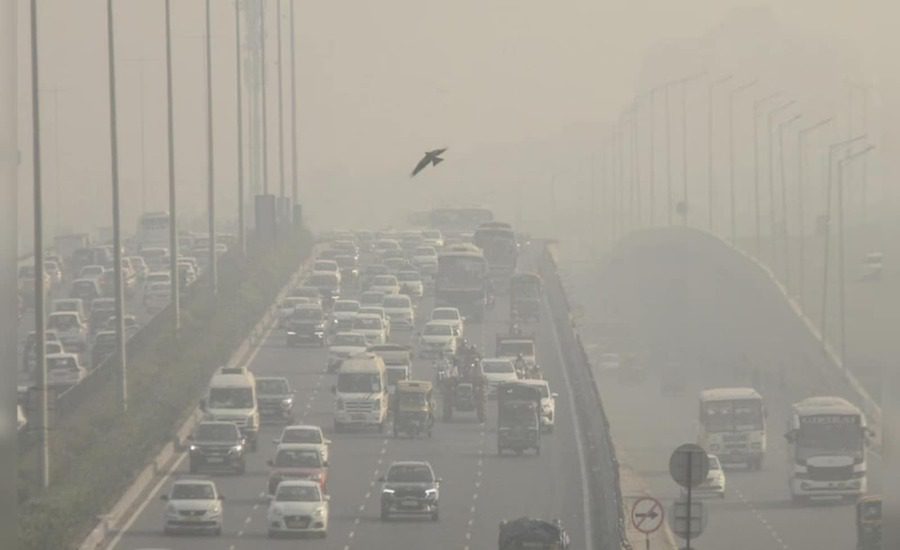
New Delhi: GRAP Stage-I revoked in NCR has brought major relief to millions of residents as Delhi air quality shows significant improvement. According to the official reports, authorities have lifted Stage-I restrictions with immediate effect after a sharp drop in pollution levels.
The decision comes as the Air Quality Index (AQI) improved from “Poor” to “Satisfactory” levels due to favorable weather conditions like rain and better wind flow.
Experts say the coming days may continue to see stable air quality, offering a temporary break from pollution concerns.
NCR GRAP Stage-I Revoked: What the Government Said
The Commission for Air Quality Management (CAQM) Sub-Committee reviewed the situation and unanimously decided to revoke all actions under Stage-I of the Graded Response Action Plan (GRAP) across the entire National Capital Region (NCR).
This step was taken after forecasts from IMD and IITM indicated that air quality is likely to remain in the “Satisfactory” to “Moderate” category in the coming days.
Stage-I of GRAP had earlier been imposed on April 16, 2026, when pollution levels started rising.
AQI Improvement: Key Data Behind the Decision
- Delhi’s AQI dropped from 175 (Poor) on May 3, 2026
- To 88 (Satisfactory) on May 4, 2026
- Improvement driven by rainfall and favorable meteorological conditions
This data was confirmed by the Central Pollution Control Board (CPCB) in its official AQI bulletin.
Why Air Quality Improved in Delhi-NCR
The sudden improvement in AQI is mainly due to:
- Light rain and strong winds
- Reduced dust and pollutant concentration
- Better atmospheric dispersion conditions
Such weather changes help clear pollutants from the air, leading to better breathing conditions for residents.
What Happens After GRAP Stage-I Removal
Even though restrictions are lifted, authorities have issued strict instructions:
- All agencies must continue to follow pollution control rules
- Guidelines by MoEFCC, CPCB, and state governments must be implemented properly
- Special focus on dust control measures
- Regular monitoring of air quality will continue
The CAQM Sub-Committee will closely track AQI trends and may reintroduce measures if pollution rises again.
What is GRAP and Why It Matters
The Graded Response Action Plan (GRAP) is a step-by-step system to control air pollution in Delhi-NCR.
- Stage-I is activated when AQI reaches “Poor” levels (201–300)
- It includes preventive actions like controlling dust, regulating construction, and managing emissions
GRAP helps authorities act early before pollution becomes severe.
NCR GRAP Stage-I Revoked: Relief for Citizens but Caution Ahead
The revocation of GRAP Stage-I is a positive development, especially after recent pollution concerns. However, experts warn that:
- Pollution levels can rise again quickly
- Seasonal changes may impact AQI
- Continuous efforts are needed to maintain clean air
Authorities have urged all stakeholders to stay alert and follow environmental guidelines strictly.
Read also: Municipal Solid Waste Management in India 2026: Strategy, Challenges & Waste-to-Wealth Solutions