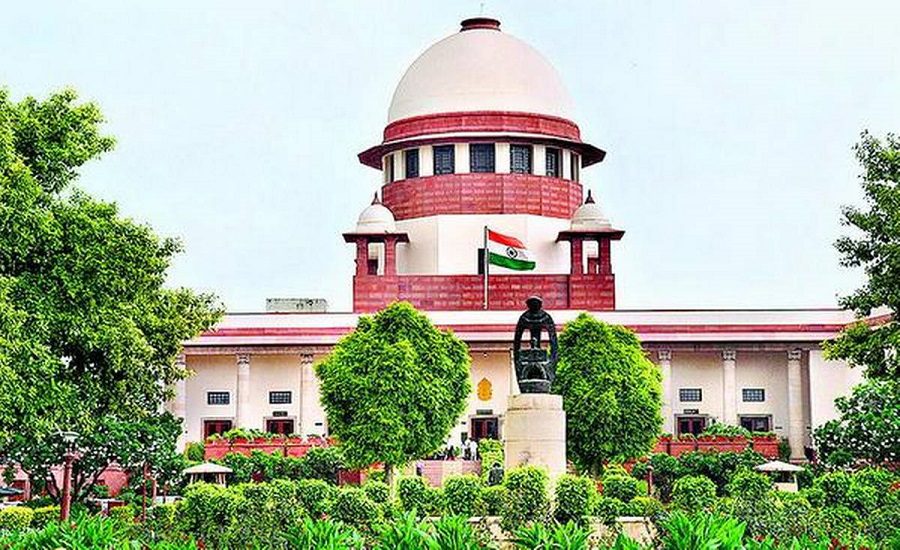
New Delhi: The AoR Exam 2026 cancellation has sparked a major legal debate in India, as lawyers have approached the Supreme Court challenging the decision.
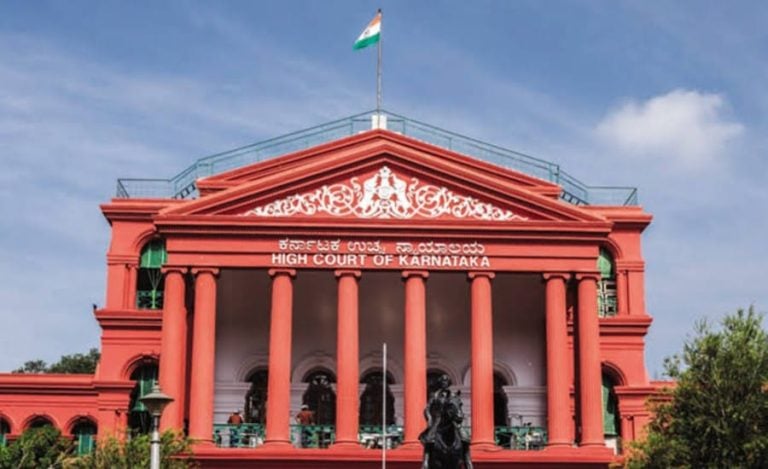
The petition questions the administrative move to cancel the Advocate-on-Record (AoR) examination for 2026, a crucial qualification for lawyers practicing in the Supreme Court. According to official information, the Court has stated that the matter is not urgent and will be heard in due course, leaving thousands of aspirants uncertain about their future.
What Is the AoR Exam and Why It Matters
The Advocate-on-Record (AoR) exam is conducted under the Supreme Court Rules. Only those who qualify can file cases and represent clients directly in the Supreme Court.
Key Importance:
- Mandatory certification to practice independently in the Supreme Court
- Ensures professional standards and procedural knowledge
- Conducted annually for eligible advocates
The sudden AoR Exam 2026 cancellation has raised serious concerns about transparency and fairness.
AoR Exam 2026 Cancellation: Petition Filed in Supreme Court
As per official reporting:
- Lawyers have filed a petition challenging the administrative decision of the Supreme Court
- The petition questions the cancellation of the AoR exam scheduled for 2026
- The Supreme Court has not treated the matter as urgent
- The case will be listed for hearing at a later date
This indicates that the issue will undergo judicial review but not immediately.
AoR Exam 2026 Cancellation: Legal Grounds of the Challenge
The petition reportedly raises important legal questions:
1. Arbitrariness in Decision-Making
Petitioners argue that canceling the exam without sufficient reasoning violates principles of fairness.
2. Impact on Career Opportunities
Thousands of lawyers preparing for the exam may lose a year, affecting their professional growth.
3. Lack of Transparency
The administrative nature of the decision has led to calls for clearer communication and justification.
Supreme Court’s Initial Response
The Supreme Court has taken a cautious approach:
- Declared the matter “not urgent”
- Indicated it will be heard in due course
- No interim relief granted so far
This suggests the Court may prefer a detailed examination of administrative powers before intervening.