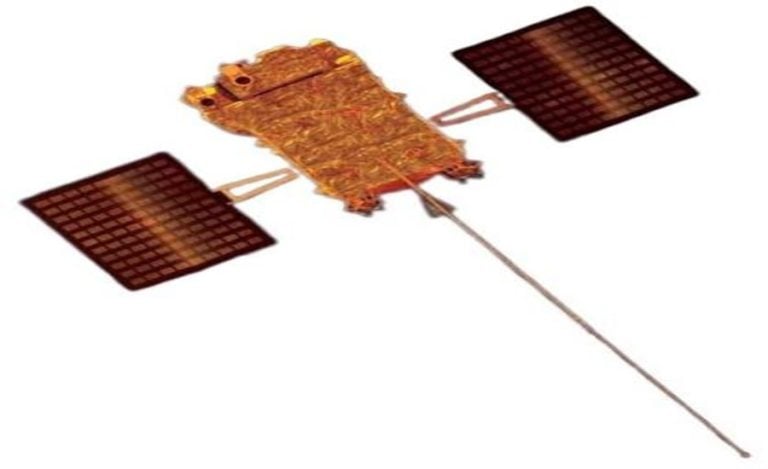
New Delhi: The GSAT-7C satellite is set to strengthen the Indian Air Force’s (IAF) communication network by providing secure, reliable and real-time connectivity between aircraft, radar stations and ground-based command centres.
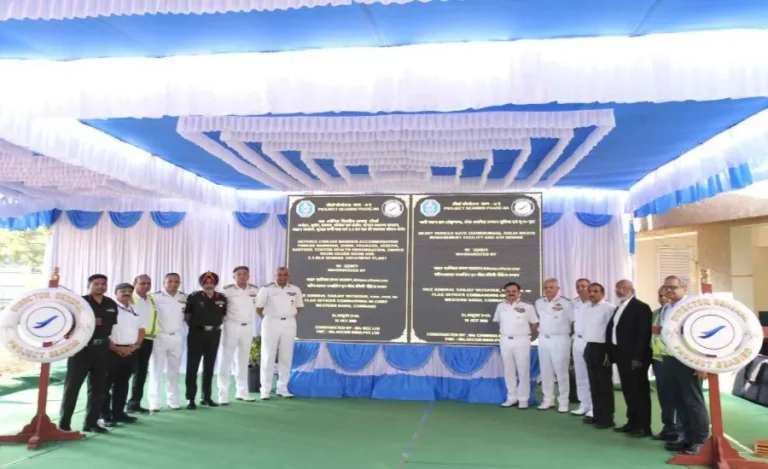
The Ministry of Defence signed a ₹2,563 crore contract with NewSpace India Limited (NSIL) on October 15, 2026, for the dedicated communication satellite. Designed and developed in India, GSAT-7C aims to improve coordination between military units, especially during complex operations when traditional communication links may be unavailable or unreliable.
Key Details of GSAT-7C Satellite Deal
The Indian government has signed a ₹2,563 crore contract with NewSpace India Limited for the GSAT-7C communication satellite project.
Read also: Indian Air Force R-37M Missile Deal: Features, Range, Cost and Strategic Impact
The satellite is intended to improve the Indian Air Force’s ability to exchange information securely across different locations. It will support communication between aircraft and ground-based military units operating over large distances.
According to the Ministry of Defence, the satellite has been indigenously designed, developed and manufactured. The project supports India’s efforts to strengthen domestic defence technology and reduce dependence on foreign systems. The contract is part of a wider effort to modernise the communication and operational capabilities of the Indian Armed Forces.
What Is The GSAT-7C Satellite
GSAT-7C is a dedicated military communication satellite planned to strengthen the Indian Air Force’s communication infrastructure.
Its main purpose is to provide secure and reliable communication links for military platforms, including aircraft and ground stations. It is also intended to support Software Defined Radios (SDRs), which can change their communication functions through software.
In modern military operations, different units must share information quickly. Fighter aircraft may need to communicate with radar stations, airborne surveillance platforms and command centres to coordinate their activities. A dedicated satellite can help connect these units when they are too far apart to communicate directly.
How GSAT-7C Will Improve Indian Air Force Operations
1. Better Communication Between Fighter Aircraft And Ground Stations
Fighter aircraft often operate far from their home airbases. Direct radio communication can become difficult when aircraft move beyond the range of ground-based communication systems.
GSAT-7C is intended to improve communication over these longer distances by providing satellite-based connectivity. This could help pilots and ground-based command centres exchange important information more effectively during military missions.
2. Faster Information Sharing During Combat
Modern air operations depend on the rapid exchange of information between different military platforms.
For example, a radar station may detect an approaching aircraft, while a command centre assesses the situation and coordinates a response. Reliable communication helps these units work together.
By strengthening the communication network, GSAT-7C could improve coordination and situational awareness across the Indian Air Force.
3. Support For Software Defined Radios
One of the important objectives of the GSAT-7C project is to support Software Defined Radios.
Traditional radios generally depend on dedicated hardware for specific communication functions. Software Defined Radios use software to perform many of these functions, allowing their operating modes and waveforms to be changed more easily.
When supported by satellite communication, compatible radios can help military units exchange information over longer distances. This can reduce the limitations of conventional radio networks and make communication systems more flexible.
4. More Reliable Communication During Difficult Conditions
Military communication networks must continue working in challenging environments.
Distance, terrain and the limitations of direct radio links can interrupt communication between aircraft and ground stations. Electronic interference and deliberate jamming can create additional problems.
GSAT-7C is intended to provide a more secure and resilient communication capability. However, its actual performance will depend on its design, security features, ground infrastructure and the wider communication network.
What Is Network-Centric Warfare
Network-centric warfare is a military approach in which sensors, aircraft, communication systems and command centres share information through connected networks.
The aim is to help military units understand a situation more quickly and coordinate their actions more effectively.
For example, information from a radar station could be shared with a command centre and relevant aircraft. This shared information can help commanders assess threats and make decisions.
GSAT-7C is intended to strengthen the communication links needed for this type of coordinated operation.
Reliable connectivity can be especially important when several aircraft and ground units operate across different locations at the same time.
GSAT-7C Project Cost Increased From ₹2,236 Crore To ₹2,563 Crore
The GSAT-7C project received Acceptance of Necessity (AoN) from the Defence Acquisition Council on November 23, 2021.
At that time, the project was approved at an estimated cost of ₹2,236 crore. The proposal included the satellite and associated ground hubs to provide real-time connectivity for Software Defined Radios.
The contract signed on October 15, 2026, is valued at ₹2,563 crore. This represents an increase of ₹327 crore over the original estimated cost, or approximately 14.6%.
The Ministry of Defence has not publicly explained the reasons for this increase in the announcement covering the new contract.
What is the Difference Between GSAT-7C Vs GSAT-7A
The Indian Air Force already uses the GSAT-7A satellite, which was launched by the Indian Space Research Organisation (ISRO) on December 19, 2018.
GSAT-7A supports communication between airbases, radar stations and airborne platforms. It has also been described as supporting airborne early-warning aircraft and unmanned aerial vehicles. GSAT-7C is intended to add another space-based communication capability for the Indian Air Force.
| Feature | GSAT-7A | GSAT-7C |
| Primary role | Communication support for the Indian Air Force and some Army requirements | Dedicated communication capability for the Indian Air Force |
| Project status | Launched in December 2018 | Contract signed in October 2026 |
| Main purpose | Connect airbases, radar stations and airborne platforms | Strengthen secure, resilient and seamless communication |
| Software Defined Radios | Supports the existing military communication network | Intended to support real-time connectivity for Software Defined Radios |
| Project cost | Not stated here | ₹2,563 crore contract |
The two satellites should not be considered identical. Their precise technical specifications, frequency bands and coverage arrangements have not been fully disclosed in the available official announcement.
How GSAT-7C Supports India’s Make In India Programme
GSAT-7C is an example of India’s effort to develop important defence technologies within the country.
The satellite is being procured through NewSpace India Limited, the commercial arm of ISRO under the Department of Space.
Developing and manufacturing military communication systems domestically can help India build technical expertise and strengthen its control over critical defence infrastructure. It can also support the wider objectives of the government’s Make in India and Aatmanirbhar Bharat initiatives.
Secure communication is an important part of modern defence systems, making domestic capabilities valuable for long-term military preparedness.
What are the Challenges GSAT-7C Face
Although satellite communication can improve military connectivity, it does not remove every communication risk. Military satellites and their supporting ground infrastructure may face electronic interference, jamming and cyber threats. A disruption in communication could affect the flow of information between connected military units.
The security of GSAT-7C will therefore depend on the satellite’s design, encryption, ground infrastructure, backup systems and other protective measures.
Maintaining alternative communication routes is also important. A resilient network should be able to continue operating when individual links become unavailable. The government has not publicly disclosed all the technical details needed to assess the satellite’s resistance to these threats.
When Will GSAT-7C Become Operational
The Ministry of Defence’s October 15, 2026, announcement confirmed the contract for GSAT-7C but did not specify an official launch date or operational deadline.
The satellite’s deployment will depend on the project’s development, testing, launch and integration with the Indian Air Force’s communication infrastructure.
Until the government or relevant space authorities announce a confirmed schedule, the precise date of launch and entry into service remains uncertain.
Why GSAT-7C Matters For India’s Defence Future
GSAT-7C represents an important step in strengthening the Indian Air Force’s communication infrastructure.
By supporting secure communication between aircraft, radar stations and command centres, the satellite is intended to improve coordination across widely dispersed military units.
Its focus on domestic development also supports India’s efforts to build greater self-reliance in critical defence technologies. However, the satellite’s final operational benefits will depend on its capabilities, deployment and integration with the wider military communication network.
If implemented successfully, GSAT-7C could become an important part of the Indian Air Force’s efforts to improve communication reliability and support increasingly connected air operations.
Read also: Indian Air Force Launches Hawk Trainer Replacement Program: Key Details Explained
FAQs
The Ministry of Defence signed a ₹2,563 crore contract with NewSpace India Limited for the GSAT-7C communication satellite project on October 15, 2026.
GSAT-7C is a dedicated military communication satellite intended to strengthen secure and reliable communication between Indian Air Force aircraft, radar stations and ground-based command centres.
GSAT-7C is intended to improve real-time communication, support Software Defined Radios and enable military units to exchange information beyond the range of conventional direct radio links. This could improve coordination during complex air operations.