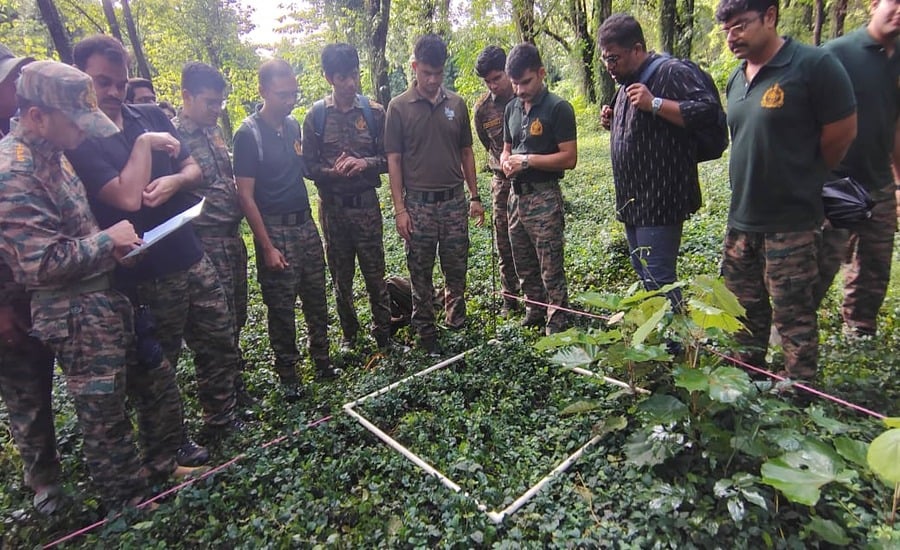
New Delhi: The Indian Forest Service (IFS) 2025 Batch probationers have commenced an intensive Field Methods & Techniques in Ecology, Conservation Science & Management Exercise at the Indira Gandhi National Forest Academy (IGNFA), in collaboration with the National Centre for Biological Sciences (NCBS), Bengaluru.
The field-based exercise is aimed at strengthening the scientific and practical skills of the probationers by exposing them to techniques used for ecological monitoring, biodiversity assessment and evidence-based conservation and natural resource management.
Four Key Modules Cover Ecology and Biodiversity
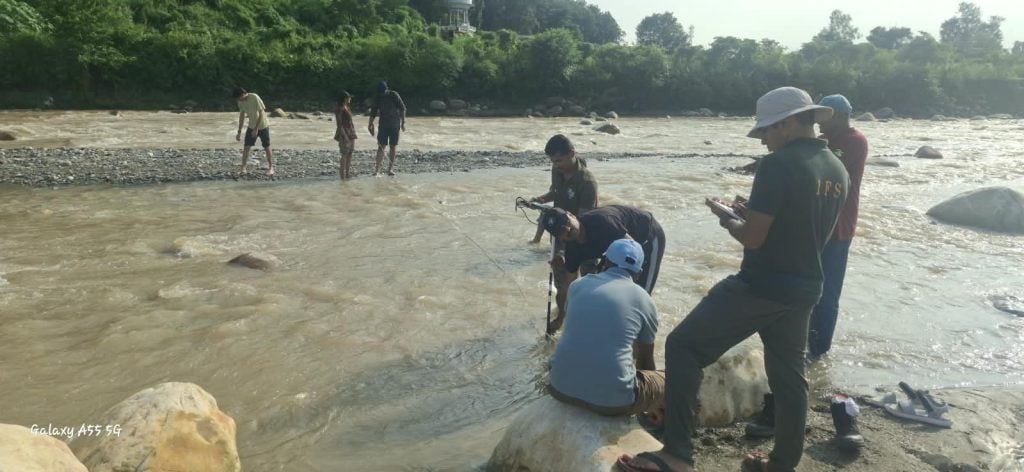
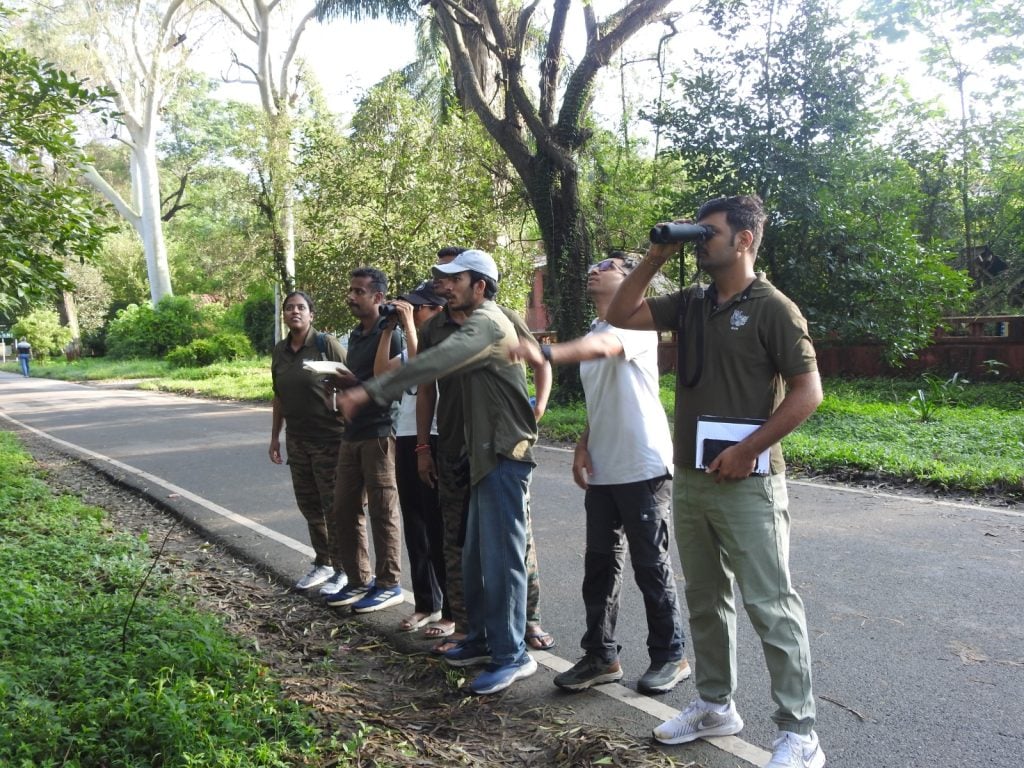
The training programme has been structured around four key ecological modules – grasslands, freshwater, vegetation and birds.
Through hands-on field sessions, the probationers are being introduced to scientific methods that are essential for assessing ecosystems, monitoring wildlife populations and understanding changes in natural habitats.
The intensive sessions include population surveys, plot sampling and stream-flow assessment, along with other field techniques used in ecological studies and conservation management.
The practical nature of the exercise allows the probationers to move beyond classroom-based learning and apply scientific concepts directly in field conditions.
Bridging Science with Forest Management
The exercise is designed to bridge the gap between scientific knowledge and practical field skills, preparing the next generation of forest managers to use reliable ecological evidence while taking decisions related to wildlife and natural resource management.
The exposure to systematic field methods is particularly relevant for IFS officers, who are expected to manage diverse forest landscapes, wildlife habitats and natural resources while balancing conservation priorities with developmental and community needs.
By familiarising probationers with ecological monitoring techniques at the beginning of their professional careers, the programme seeks to strengthen their ability to interpret field data and apply scientific approaches to conservation challenges.
IGNFA’s Role in Training Future Forest Managers
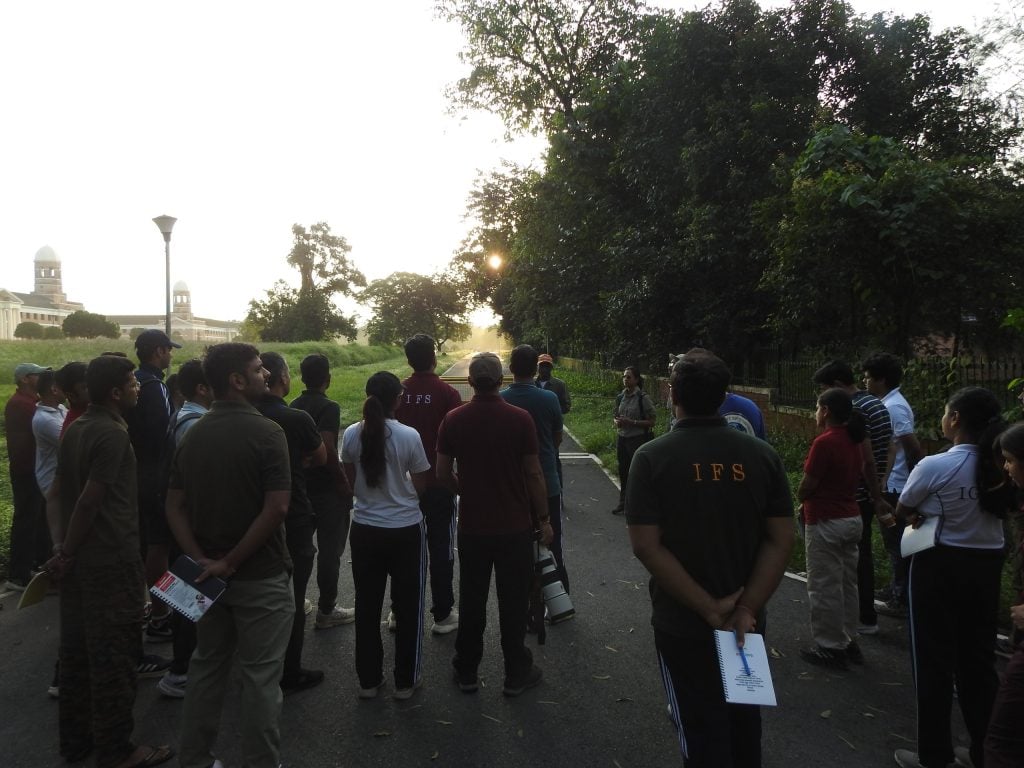
The Indira Gandhi National Forest Academy (IGNFA) is India’s premier national training institution for officers of the Indian Forest Service (IFS).
The academy operates as a staff college under the Ministry of Environment, Forest and Climate Change (MoEFCC) and is responsible for imparting professional training to newly recruited IFS officers.
IGNFA was originally established in 1938 as the Indian Forest College. It was subsequently renamed and upgraded as a national academy in 1987.
The academy is located within the sprawling New Forest Campus of the Forest Research Institute (FRI) in Dehradun, Uttarakhand, providing a setting closely connected with forestry, ecological research and natural resource management.
Training Extends Beyond Foundational IFS Programme
While its primary mandate is to provide foundational professional training to newly recruited IFS officers, IGNFA also conducts a range of mid-career training programmes and specialised courses.
These programmes cover areas including environmental governance, wildlife management and sustainable forestry, catering to senior forest and environment officials as well.
The ongoing field exercise for the IFS 2025 Batch, conducted with NCBS, adds a strong scientific and practical component to the probationers’ professional preparation.
For the young officers, the training offers valuable exposure to the methods required to monitor ecosystems and biodiversity scientifically — skills that can subsequently inform conservation planning, wildlife management and sustainable management of India’s forest and natural-resource landscapes.
Read Also: 300+ Painted Storks Begin Nesting at Delhi Zoo, Highlighting Its Wetland’s Ecological Value