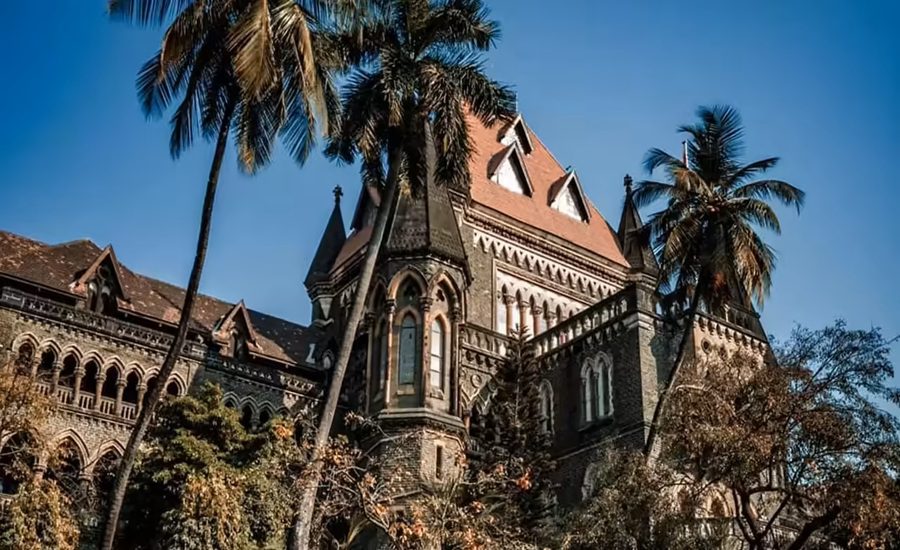
Bombay: The Bombay High Court paper leak cases will now be handled by two designated courts in Aurangabad and Nagpur, a major step towards faster trials in examination malpractice cases. The move comes just a day after the Central government announced fast-track courts to ensure quicker and stricter action against people involved in paper leaks.
Acting Chief Justice Ravindra Ghuge has designated Additional Chief Judicial Magistrate SV Pawar in Aurangabad and Additional Chief Judicial Magistrate Gulshan Kolte in Nagpur to hear these cases, according to the reports,
Who Are the 2 Judges Designated for Paper Leak Cases
The two judicial officers selected for the special courts are:
- SV Pawar — Additional Chief Judicial Magistrate, Aurangabad
- Gulshan Kolte — Additional Chief Judicial Magistrate, Nagpur
The designated courts are expected to deal with offences linked to unfair practices and paper leaks in public examinations. The decision is important because it creates dedicated judicial channels for such cases instead of leaving them to move through the normal court process along with a large number of other criminal cases.
Read also: Big Relief for Students: PM Modi Announces Fast-Track Courts to Tackle Paper Leak Cases
Centre Announces Fast-Track Courts for Paper Leak Cases
The development follows an announcement by Prime Minister Narendra Modi on July 23, 2026. According to an official statement from the Prime Minister’s Office, the government has decided to establish fast-track courts for paper leak cases to ensure swift and stringent punishment for offenders.
The Prime Minister said authorities and concerned departments had been directed to take the necessary steps. The government presented the decision as part of its wider effort to protect students and the credibility of competitive examinations.
What is the Public Examinations Act, 2024
The Public Examinations (Prevention of Unfair Means) Act, 2024 is a central law created specifically to prevent unfair practices in public examinations.
According to the official India Code database, the law was enacted on February 12, 2024 and came into force on June 21, 2024.
The law covers different forms of examination fraud, including unfair means, conspiracy, disruption of public examinations and offences involving examination service providers.
It also contains separate provisions dealing with organised crime linked to public examinations.
What Counts as “unfair means” Under the Law?
The Act is much wider than simply catching someone cheating inside an examination hall. It targets activities that can damage the fairness and security of public examinations, including question-paper or answer-key leaks, unauthorised access to examination material and assistance in prohibited examination practices.
It also deals with organised networks that may work together for wrongful gain by manipulating the examination process.
This is significant because major paper leaks can involve multiple people, service providers or organised groups rather than a single candidate.
Which Examinations Come Under the Central Law
The Act applies to public examinations conducted by authorities covered by the law and its Schedule, as well as other authorities that may be notified by the Central government.
The framework is therefore designed to protect major national-level recruitment and entrance examinations from organised malpractice.
This distinction matters: not every examination conducted anywhere in India automatically falls under the central Act. Coverage depends on the examination and authority specified under the statutory framework.
Delhi High Court also Takes Action on Paper Leak Cases
Maharashtra is not the only place where judicial arrangements are being made for paper leak cases.
According to the official report, the Delhi High Court designated Judge Anu Grover Baliga as a special judge for criminal cases arising from paper leaks and unfair means in public examinations.
Taken together with the Centre’s July 23 announcement, these developments indicate that authorities are moving toward dedicated judicial handling of serious examination-fraud cases.
Read also: Bombay High Court Strengthens Victim Compensation Laws, Allows Unsigned Contracts as Income Evidence