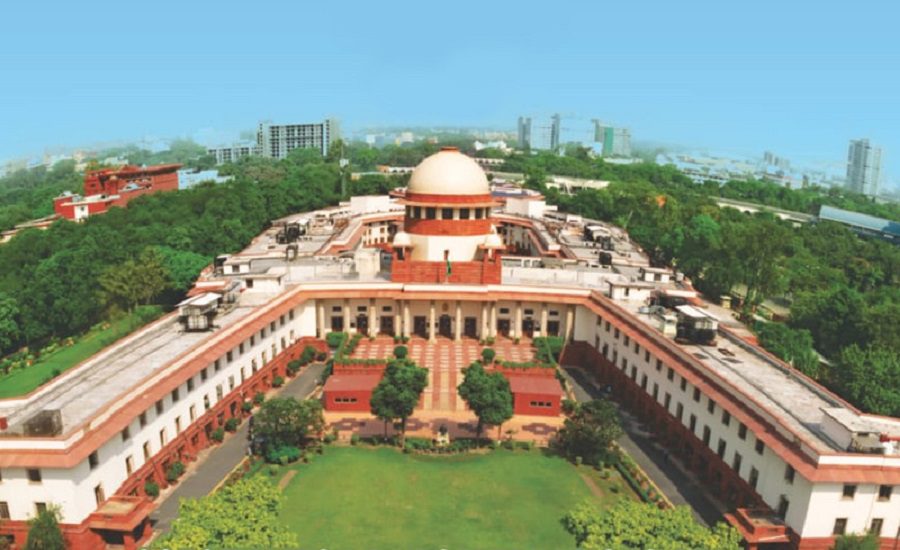
New Delhi: Election Commission row has reached the Supreme Court after a petition alleged that Chief Election Commissioner (CEC) Gyanesh Kumar took several decisions in the name of the Election Commission of India (ECI) without the approval of the other two Election Commissioners. The petition seeks judicial scrutiny of how decisions are being made within the constitutional body responsible for conducting elections in India.
According to court filings reported by Bar and Bench, the plea argues that the Election Commission functions as a multi-member body and major decisions should be taken collectively as required under the Constitution and relevant laws.
Details of Election Commission Row
A petition filed before the Supreme Court claims that decisions were allegedly taken by the Chief Election Commissioner without obtaining the consent or approval of Election Commissioners Sukhbir Singh Sandhu and Vivek Joshi.
Read also: ECI Launches ELC 2.0 in Lucknow; CEC Gyanesh Kumar Calls Students Future of Democracy
The petitioner has sought a writ of Quo Warranto, asking the Court to examine under what authority such decisions were taken and whether they comply with the legal framework governing the Election Commission.
How Does The Election Commission Function
The Election Commission of India consists of:
- One Chief Election Commissioner (CEC)
- Two Election Commissioners (ECs)
At present:
- Gyanesh Kumar serves as Chief Election Commissioner.
- Sukhbir Singh Sandhu serves as Election Commissioner.
- Vivek Joshi serves as Election Commissioner.
Collective Decision-Making System
Under the constitutional framework and the Chief Election Commissioner and Other Election Commissioners (Appointment, Conditions of Service and Term of Office) Act, 2023, the Commission is expected to function as a collective body. When all members do not agree on a matter, decisions are generally expected to be taken based on the majority view.
Election Commission Row: What Are The Allegations In The Petition
The petition alleges a “progressive centralisation” of authority within the Election Commission. According to the plea, there were delays in sharing agendas and meeting minutes and certain actions were allegedly taken without the knowledge or approval of the two Election Commissioners.
Objections Raised By Election Commissioners
The petition refers to reports suggesting that between October 2025 and August 2026, the two Election Commissioners raised several objections regarding decisions allegedly taken in the name of the Commission. The petitioner argues that such actions raise questions about whether collective decision-making requirements were properly followed.
What Does The Petition Seek
The plea asks the Supreme Court to direct the Chief Election Commissioner to explain the authority under which the alleged unilateral decisions were taken.
Declaration On Validity Of Decisions
The petitioner has requested that if the Court finds decisions were taken without following the legal process prescribed for the Commission, such actions should be declared invalid.
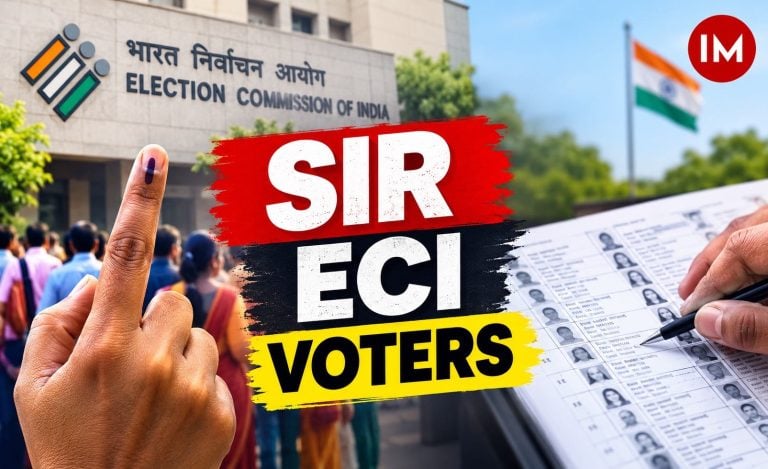
Challenge To Special Intensive Revision (SIR)
The petition also seeks a declaration that the Special Intensive Revision (SIR) process and consequential actions undertaken pursuant to it should be declared void if found to have been carried out without lawful authority.
Legal Questions Before The Supreme Court
The case raises important constitutional questions regarding:
- Collective functioning of constitutional bodies.
- Powers of the Chief Election Commissioner.
- Role of Election Commissioners in decision-making.
- Interpretation of the 2023 Election Commission law.
- Validity of decisions taken without majority approval.
The Supreme Court is expected to examine these issues while considering the petition.
Why Election Commission Row Matters
The Election Commission is one of India’s most important constitutional institutions. Any dispute regarding its decision-making process can have implications for electoral administration, transparency, and institutional accountability. The outcome of the case could provide greater clarity on how decisions should be taken within multi-member constitutional bodies.
Read also: Why A Supreme Court Plea Against CEC Gyanesh Kumar Is Making Headlines Across India
FAQs
A writ of Quo Warranto is a legal remedy through which a court can ask a public official to explain the authority under which they exercise a particular power or hold a public office.
The petition alleges that some decisions were taken in the name of the Election Commission without the approval of the other two Election Commissioners and seeks judicial review of those actions.
The Election Commission functions as a multi-member body. When members disagree, decisions are generally expected to be made according to the majority view under the applicable legal framework.