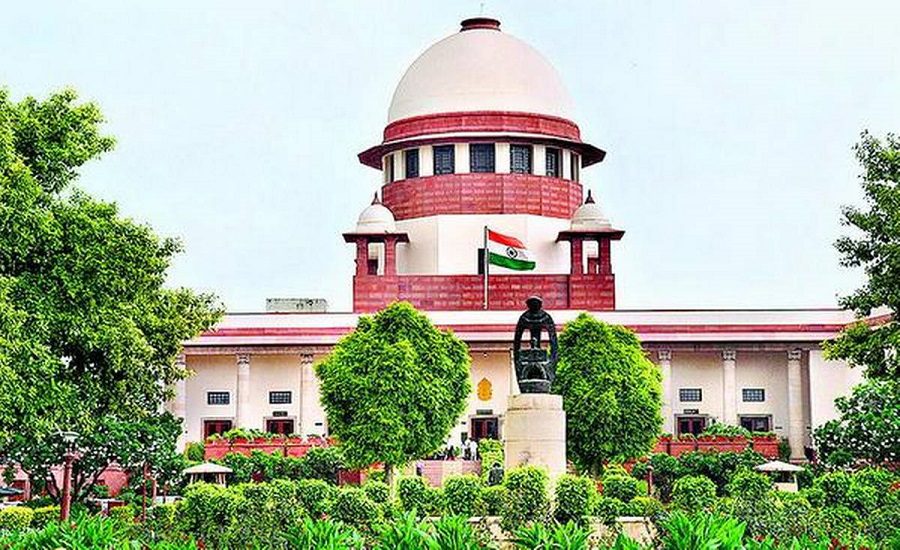
New Delhi: The Supreme Court fuel-saving measures have been introduced as part of a wider national effort to reduce fuel consumption during rising global energy concerns.
The Supreme Court of India has ordered several austerity steps, including virtual hearings, carpooling for judges, and work-from-home options for staff. The move follows the Central Government’s appeal for fuel conservation due to global oil market uncertainty linked to tensions in West Asia.
Details of Supreme Court Fuel-Saving Measures
According to official circulars and media reports, the Supreme Court has introduced the following steps:
- Virtual hearings on miscellaneous hearing days.
- Judges encouraged carpooling.
- Registry staff allowed partial work-from-home.
- Reduced physical movement inside court operations.
- Greater use of digital systems and video conferencing.
Read also: Supreme Court Proposes Strict Timeline For Bail Pleas Amid Growing Court Backlogs
The measures are expected to continue during June and July as part of the court’s temporary fuel-saving policy.
Why Has the Supreme Court Taken This Decision?
The decision comes after Prime Minister Narendra Modi appealed to citizens and government institutions to reduce fuel usage and avoid unnecessary expenditure.
India is facing pressure from rising global crude oil prices due to geopolitical tensions in West Asia. Experts believe fuel conservation can help reduce import pressure and control inflation.
Key Highlights of the Supreme Court Fuel-Saving Measures
Virtual Hearings Expanded
The Supreme Court will conduct hearings through video conferencing on selected working days.
This step aims to:
- Reduce daily travel by lawyers and litigants.
- Lower fuel consumption.
- Improve operational efficiency.
Carpooling for Judges
Judges of the apex court have reportedly agreed to promote carpooling arrangements.
Officials believe this can:
- Reduce the number of vehicles.
- Save fuel.
- Support the government’s austerity campaign.
Work-From-Home for Court Staff
The Supreme Court has also allowed up to 50% of registry staff in sections to work from home for limited days each week.
This measure is expected to:
- Reduce commuting.
- Lower traffic congestion.
- Save operational costs.
National Push for Fuel Conservation
Several government departments and state agencies across India are now adopting similar austerity measures.
Some of the steps being taken include:
- Using public transport.
- Reducing official convoys.
- Promoting electric vehicles.
- Holding meetings online.
Even senior leaders have reportedly reduced convoy sizes and promoted energy-saving practices.
Read also: Fake Law Degree Crisis in India: Supreme Court Urges CBI Probe Into Thousands of Lawyers