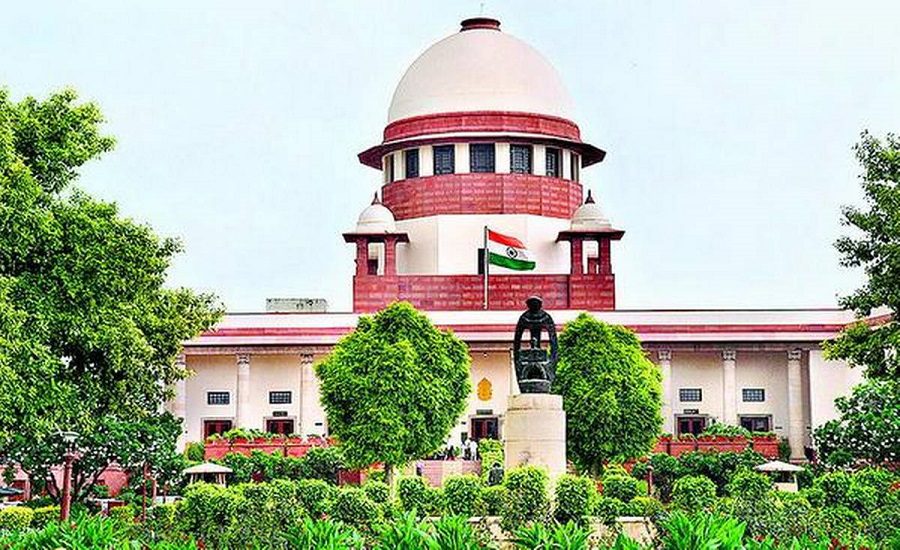
New Delhi: The Supreme Court of India has warned States and Union Territories (UTs) that their Chief Secretaries could face contempt notices if they fail to provide information on the implementation of menstrual hygiene facilities in schools.
The Court has recognised menstrual hygiene as a fundamental right under Article 21 of the Indian Constitution and has stressed that the directions must be implemented on the ground, not just on paper.
In its latest proceedings, the Court gave the States and UTs one more opportunity to submit the required information. The case is scheduled for its next hearing on December 14, 2026.
Menstrual Hygiene: Supreme Court Expresses Concern Over Delayed Responses
A bench comprising Justice JB Pardiwala and Justice R Mahadevan expressed displeasure over the failure of States and UTs to respond to the Union Government’s request for information about the implementation of the Court’s directions.
Read also: Why The Supreme Court Called India’s Criminal Justice System A ‘Wounded Republic’
The Union Government had contacted the States and UTs to obtain written reports on the steps taken to provide menstrual hygiene facilities in schools. However, Additional Solicitor General Aishwarya Bhati informed the Court that the required responses had not been received.
The Court questioned why the States and UTs had not responded despite being asked to provide the necessary information. It warned that if any State or UT failed to respond before the next hearing, the Court could issue contempt notices to the concerned State’s Chief Secretary.
Menstrual Hygiene Recognised As A Fundamental Right
In its January 30, 2026, judgment, the Supreme Court recognised menstrual hygiene as an important part of the fundamental right to life under Article 21 of the Constitution.
The Court explained that recognising this right would have little value if governments failed to provide the facilities needed to protect it. It stressed that the Union Government and all State Governments must work together to make the right meaningful and effective.
The judgment aims to address the difficulties faced by schoolgirls who struggle to manage menstruation because of a lack of proper toilets, sanitary products and other essential facilities.
Supreme Court Directs Schools To Provide Essential Facilities for Menstrual Hygiene
The Supreme Court directed the nationwide implementation of the Union Government’s Menstrual Hygiene Policy for School-Going Girls for students in Classes 6 to 12. The directions cover government and privately managed schools in both rural and urban areas.
1. Functional Toilets With Water Facilities
Schools must provide separate, functional toilets for boys and girls. These toilets should have usable water connections and proper washing facilities. Schools must also ensure that students have access to soap and water for handwashing.
2. Free Access To Sanitary Napkins
Girls should have free access to sanitary napkins at school. The Court’s directions also address sanitary napkin vending machines and the need to make menstrual hygiene products readily available. These facilities are important for students who cannot easily afford sanitary products or access them outside school.
3. Menstrual Hygiene Management Corners
Schools have been directed to establish menstrual hygiene management corners to help girls deal with unexpected periods and other menstrual emergencies. These corners should contain essential supplies, including spare innerwear, uniforms, disposable sanitary pads and other necessary materials.
4. Proper Toilet Cleaning And Maintenance
The Court has highlighted gaps in toilet maintenance and the availability of cleaning staff. District Education Officers have been directed to form teams of teachers to carry out surprise inspections of schools. These inspections are intended to help identify problems and check whether the required facilities are actually available.
5. Safe Menstrual Waste Disposal
Schools must also address the proper disposal of used sanitary products. The Court has highlighted problems with waste-disposal systems and called for a gradual shift towards biodegradable, biocompatible and compostable sanitary napkins.
Court Questions Gaps In Menstrual Hygiene Implementation Reports
The Supreme Court has raised concerns about differences in the information provided regarding school toilets, handwashing facilities, sanitary napkin vending machines and menstrual waste-disposal systems.
It also questioned whether the Union Government had properly examined the information submitted by the States.
The Court made it clear that compliance reports should not simply list completed work or government achievements. Instead, the reports should explain which problems remain, why they have not been resolved and how much time will be needed to address them. This approach is intended to improve accountability and ensure that government reports reflect conditions in schools.
Union Government Asked To Collect Detailed Information
In its latest order, the Supreme Court directed the Union Government to study the judgment and earlier orders again, paying particular attention to the implementation requirements discussed in paragraphs 11 and 13 to 23 of its September 1 order.
The Union Government has also been asked to prepare a questionnaire to collect appropriate responses from every State and Union Territory.
The questionnaire is expected to help authorities obtain specific information about the facilities provided, the gaps that remain and the steps required to achieve compliance. The Court has given the States and UTs one final opportunity to respond before considering further action.
Why The Judgment Matters For Schoolgirls
Menstrual hygiene can directly affect girls’ education, attendance, health and dignity. When schools lack clean toilets, water, sanitary products or safe disposal facilities, students may find it difficult to manage their periods comfortably and privately.
These challenges can be especially serious for girls in remote and rural areas, where access to menstrual hygiene products and facilities may be limited.
The Supreme Court’s directions seek to ensure that menstruation does not become a barrier to education and that girls can continue attending school with dignity.
By recognising menstrual hygiene as a fundamental right, the Court has placed responsibility on governments to take practical steps rather than relying only on policy announcements.
Next Hearing Scheduled For December 14
The Supreme Court has warned that it may issue contempt notices to the Chief Secretaries of States that fail to provide the required information before the next hearing.
The Court has asked the Union Government to coordinate with all States and UTs and obtain written details of their implementation efforts.
The matter, titled Dr Jaya Thakur v. Government of India and Others, is scheduled for further hearing on December 14, 2026, at 2:30 PM. The next hearing will provide an opportunity for the Court to review the responses and consider whether further action is necessary.
FAQs
The Court warned the States and UTs because they had not provided the required information to the Union Government about implementing its directions on menstrual hygiene facilities in schools. Chief Secretaries of defaulting States could face contempt notices if the information is not submitted before the next hearing.
Yes. The Supreme Court has recognised menstrual hygiene as a part of the fundamental right to life under Article 21 of the Indian Constitution.
The directions include separate functional toilets with water, soap and handwashing facilities, free access to sanitary napkins, menstrual hygiene management corners, proper toilet maintenance and safe menstrual waste disposal. The directions cover government and privately managed schools for students in Classes 6 to 12.