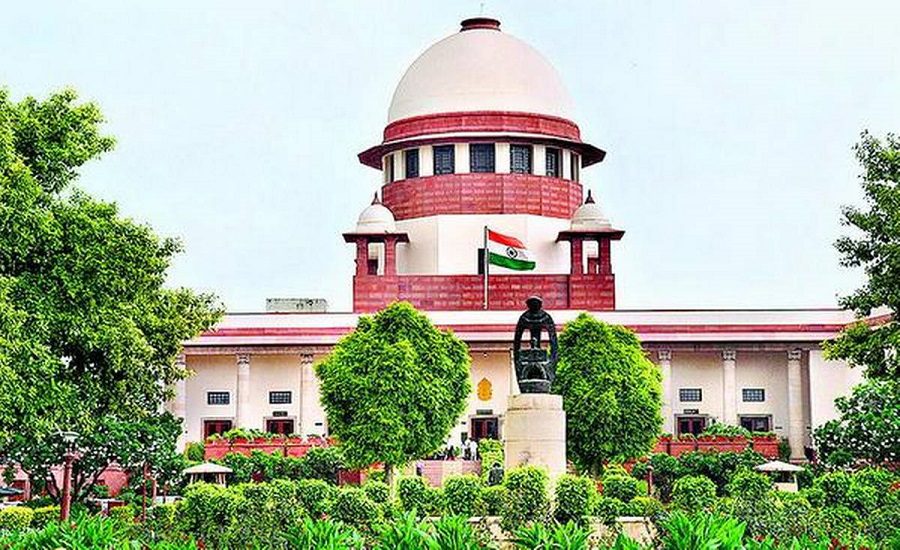
New Delhi: The Supreme Court special courts for NIA trials directive has become a major step toward speeding up terrorism-related cases in India. The apex court has ordered the establishment of dedicated special courts to handle pending cases investigated by the National Investigation Agency.
The decision aims to reduce delays, ensure faster justice, and improve the efficiency of trials linked to national security and terror investigations.
Details of SC Ruling on Special Courts for NIA Trials
A bench led by Justice Surya Kant and Justice Joymalya Bagchi directed that:
- At least one special court must be created where 10 to 15 NIA trials are pending.
- If pending cases are more than 15, then two special courts should be established.
- These courts must become operational within one month.
- Trials should be conducted on a day-to-day basis.
- No unrelated cases should be assigned to these courts.
Why Are Special Courts for NIA Trials Important?
India has been facing delays in several terror-related and national security cases. The Supreme Court observed that speedy trials are necessary to protect:
- The rights of victims
- The rights of accused persons
- Public confidence in the justice system
The court said quicker disposal of such sensitive cases is important for maintaining law and order and ensuring justice is delivered without unnecessary delay.
Focus on Day-to-Day Hearings
The Supreme Court clearly stated that these special courts should conduct hearings daily. Judges handling these courts will also have the freedom to schedule hearings efficiently.
The bench further said that:
- At least one trial should ideally conclude every month
- Dedicated courts can help reduce the heavy burden of pending cases
- Fast disposal will strengthen anti-terror investigations and prosecution systems
Background of the Special Courts for NIA Trials
The matter was being heard as a suo motu case by the Supreme Court. Earlier, the court had already issued notices to several states regarding the creation of exclusive NIA courts in areas with a high number of pending terror-related cases.
Under the National Investigation Agency Act, 2008, the Central Government has the power to designate special courts for NIA investigations. These courts mainly deal with:
- Terrorism cases
- UAPA cases
- Organized terror funding networks
- National security matters
What Is the NIA?
The National Investigation Agency is India’s primary counter-terror investigation agency. It was formed in 2009 after the Mumbai terror attacks to investigate serious offenses affecting national security.
The agency handles:
- Terror attacks
- Cross-border terrorism
- Terror funding
- Organized extremist activities
- Major national security crimes