Bhopal: Madhya Pradesh is stepping up its logistics infrastructure push with a focus on strengthening rail-based freight movement, multimodal logistics, warehousing, cold-chain facilities and links to major ports and global trade corridors.
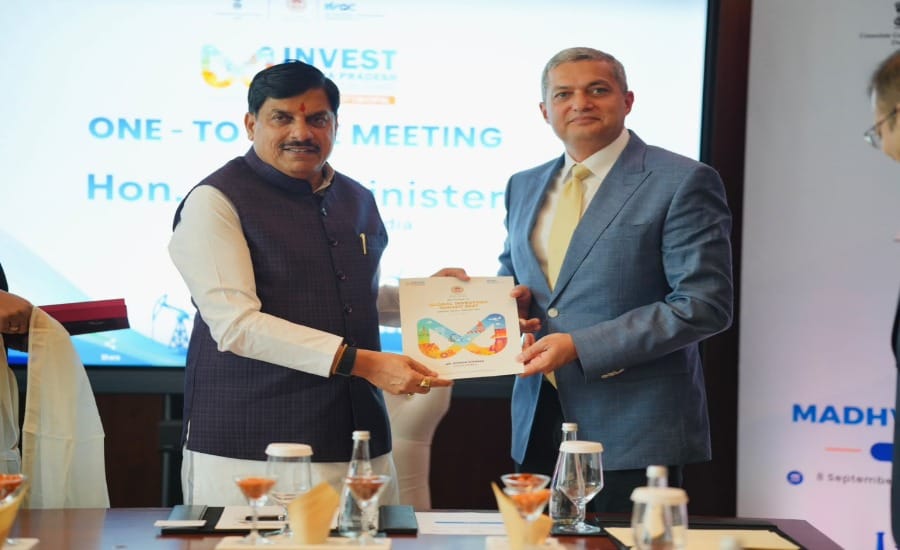
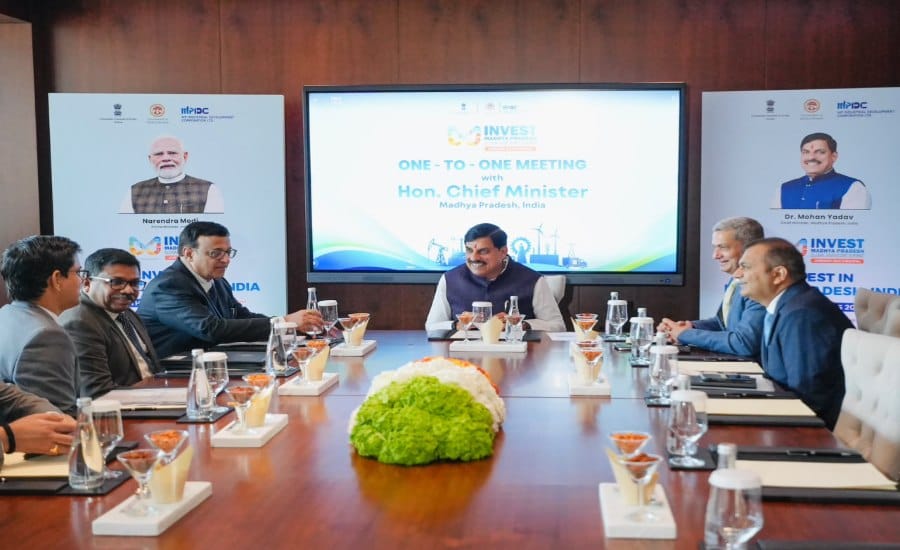
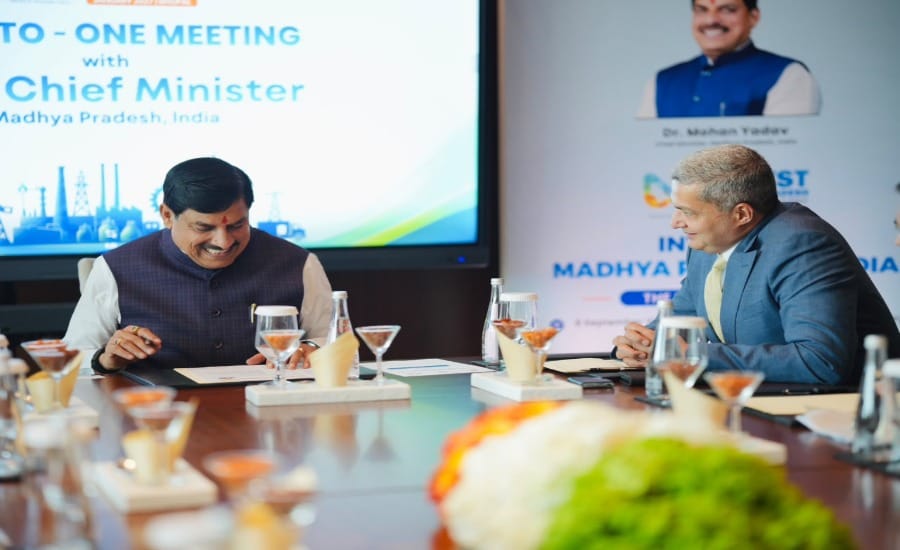
The issue came up during Chief Minister Dr Mohan Yadav’s meeting with DP World CEO Rizwan Soomar on September 8 on the third day of the AIM Congress-2026 (Annual Investment Meeting) in Dubai. The discussions focused on expanding logistics and supply-chain infrastructure in the state and improving the movement of goods from Madhya Pradesh to domestic and international markets.
The Chief Minister also invited Soomar to the Global Investors Summit (GIS)-2027 to be held next year.
Powarkheda Hub to Strengthen Inland Logistics
A key focus of the discussion was the development and expansion of the Powarkheda Logistics Composite Hub as an important gateway for inland logistics in Madhya Pradesh.
The plan involves strengthening the hub’s operations and connecting it more effectively with industrial and agricultural clusters across the state. The proposed logistics ecosystem will include multimodal transportation, warehousing and cold-chain facilities.
This infrastructure can support the movement and storage of agricultural produce, industrial goods and other commodities while creating better links between production centres and markets.
For a state with a large agricultural base as well as major industrial clusters, stronger logistics infrastructure is an important part of improving supply-chain efficiency.
Read Also: Madhya Pradesh: ₹450 Crore Logistics Park Plan to Boost Rail, Warehousing and Supply Chains
Rail Connectivity to Support Exports
The meeting also discussed improving the connection between Madhya Pradesh’s exporters and major ports and international trade corridors.
Greater use of rail-based freight transportation was highlighted as a way to improve cargo movement and reduce transportation time and logistics costs.
The proposed approach includes facilities for:
- Farmers and Farmer Producer Organisations (FPOs)
- Micro, Small and Medium Enterprises (MSMEs)
- Industrial units and exporters
- Cargo consolidation and value addition
- Export-oriented logistics support
Better rail connectivity can also help connect goods produced in different parts of Madhya Pradesh with ports, allowing businesses to access wider domestic and international markets.
Focus on Warehousing and Cold Chain
Warehousing and cold-chain infrastructure formed another important part of the discussions.
Cold-chain facilities are particularly relevant for agriculture, food products and other goods that require controlled storage and transportation. Better infrastructure in this area can strengthen the link between farms, processing centres, distribution networks and markets.
The development of modern logistics facilities is also expected to support industrial clusters by providing businesses with organised storage, transportation and distribution services closer to production centres.
Improving the ICD Network
The two sides also discussed strengthening the Inland Container Depot (ICD) system in Madhya Pradesh.
ICDs provide an inland link to ports and international trade networks, allowing cargo to be handled away from coastal ports before being transported onward.
Improving this network can make export logistics more organised and provide businesses in the state with better access to national and international supply chains.
For Madhya Pradesh, which does not have a coastline, efficient inland logistics and multimodal connectivity are particularly important for moving goods to ports.
Madhya Pradesh Highlights Improved Connectivity
During the meeting, Chief Minister Dr Mohan Yadav highlighted the new industrial policies introduced by the state government and their relevance for investors.
He also pointed to Madhya Pradesh’s connectivity with different parts of the country and major ports. According to him, the development of new airports in the state has further improved transportation connectivity.
The state’s logistics strategy is therefore being linked with a wider infrastructure network covering roads, railways, airports, inland logistics hubs and port connectivity.
DP World’s Existing India Presence
DP World is already operating in Madhya Pradesh, making its experience relevant to the state’s logistics expansion plans.
According to CEO Rizwan Soomar, DP World provides integrated supply-chain and trade solutions and operates ports, terminals, contract logistics, freight forwarding, maritime services and economic zones.
The company operates in 80 countries, including India, and is wholly owned by the Government of Dubai. Its activities in the logistics sector include infrastructure and services connected with cargo movement and supply-chain management.
The company’s existing presence in India provides a broader context to the discussions on expanding logistics facilities in Madhya Pradesh.
What the Logistics Push Means for MP
The focus on logistics infrastructure goes beyond transportation. Better cargo movement, storage and market connectivity can directly affect farmers, FPOs, MSMEs and industrial businesses.
For agricultural producers, improved cold-chain and cargo facilities can strengthen access to markets. For MSMEs and industries, better freight connectivity can support smoother movement of raw materials and finished products. For exporters, stronger links with ports and trade corridors can simplify access to international markets.
The proposed expansion of the Powarkheda hub, along with improvements in rail-based freight, warehousing, cold chain and ICD facilities, reflects Madhya Pradesh’s broader effort to build an integrated logistics network.
With infrastructure and connectivity becoming an important part of investment and industrial development, the state’s logistics push is aimed at creating a stronger link between its farms, factories, markets and global trade networks.
Read Also: Madhya Pradesh’s Education Push Gets Global Boost, GEMS Eyes Schools in Indore-Bhopal