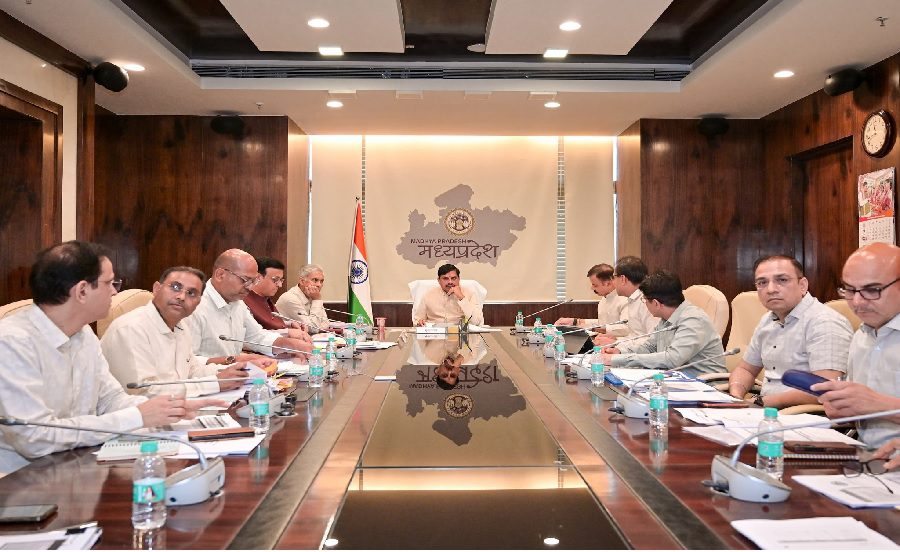
Bhopal: Madhya Pradesh is set to witness a major transformation in its public transport system as the state government prepares to reintroduce large-scale government-operated bus services after a gap of 21 years. The new initiative, titled Mukhyamantri Sugam Parivahan Seva, aims to create a modern, integrated, and efficient bus network across the state and neighboring regions.
The rollout is expected to begin in July–August from Indore, which has been selected as the model city for the first phase of implementation.
Indore to Lead the First Phase of Bus Operations
Indore will be the starting point of the new state-backed bus system. The city and its surrounding regions will see operations managed through Atal Indore City Transport Service Limited. Authorities have identified multiple routes covering intercity, intracity, and interstate travel.
Under the plan:
- Intercity connectivity will link Indore with other districts of Madhya Pradesh
- 28 routes will serve nearby suburban areas
- 101 interstate routes will connect Maharashtra, Gujarat, Rajasthan, and Uttar Pradesh
In total, Indore alone will operate on approximately 250 routes with around 1,688 buses.
Launch of 150 Electric Buses Under PM e-Bus Scheme
A major highlight of the initiative is the introduction of 150 electric buses under the PM e-Bus Service in Indore. These eco-friendly buses are expected to begin operations in July, marking a significant step toward sustainable urban mobility.
The inclusion of electric buses is aimed at reducing air pollution and modernizing city transport infrastructure.
Statewide Expansion Across Seven Transport Zones
To streamline operations, Madhya Pradesh has been divided into seven transport zones:
- Indore
- Bhopal
- Ujjain
- Gwalior
- Jabalpur
- Sagar
- Rewa
Each zone will have a structured bus network designed to improve connectivity between cities, towns, and district headquarters.
Across all seven zones, a total of 1,164 routes have been identified for bus operations.
Over 5,200 Buses to Operate Across Madhya Pradesh
The government plans to deploy a massive fleet of 5,206 buses across the state. These buses will operate on intercity, intracity, and interstate routes, improving accessibility for millions of passengers.
Officials have clarified that the new system will not affect private bus operators already running services under valid permits.
New Transport Corporations and Administrative Structure
To manage operations efficiently, the state government has approved:
- A state-level holding company
- Seven regional subsidiary companies
- Around 1,190 new posts for recruitment over four years
These organizations will handle route planning, service quality, monitoring, and operational management. Recruitment will include IAS, state administrative officers, and technical experts on deputation and contractual roles.
Focus on Infrastructure and Passenger Facilities
Chief Minister Dr. Mohan Yadav has directed officials to ensure that bus stations, waiting areas, and passenger amenities are upgraded alongside the new services.
The goal is to provide:
- Safe and time-bound travel
- Improved connectivity across rural and urban areas
- Better passenger comfort and accessibility
A Major Step Toward Modern Public Transport
If implemented as planned, the Mukhyamantri Sugam Parivahan Seva could significantly reshape Madhya Pradesh’s public transport landscape. The combination of electric mobility, expanded routes, and structured governance is expected to enhance connectivity while also creating new employment opportunities in the transport sector.