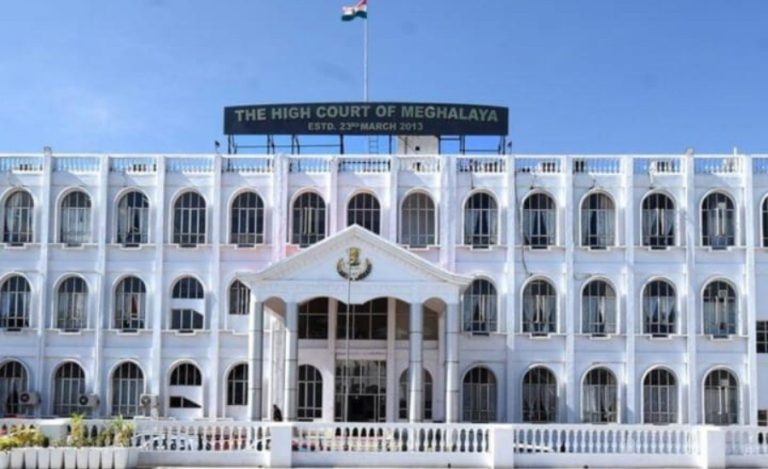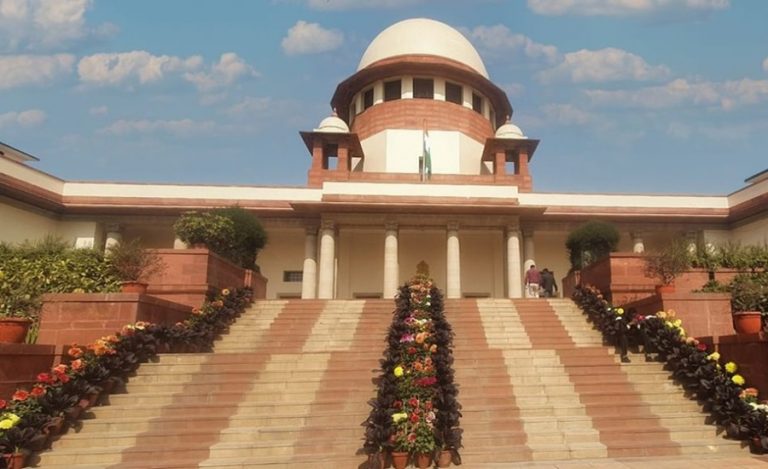
New Delhi: Men received 70.03% of recorded arbitrator appointments made by the Supreme Court, Delhi High Court and Bombay High Court, according to a study by NALSAR University of Law, Hyderabad. The report, titled Arbitrator Appointments In Numbers, also found that a small group of arbitrators received nearly one-fourth of all recorded court appointments.
The findings highlight gender inequality and the concentration of appointments among a limited number of professionals. The researchers have recommended greater diversity, transparent appointment practices and better monitoring of arbitrators’ workloads.
Key Findings Of The NALSAR Arbitrator Appointments Study
The study was prepared by the Milon K Banerji Centre for Arbitration Law (MKBAC) at NALSAR University of Law, Hyderabad.
The report examined 3,688 cases registered before the Supreme Court, Delhi High Court and Bombay High Court in 2025. The researchers collected data up to June 30, 2026. The main findings include:
- 70.03% of appointments went to men, while women received 29.97%.
- Only 54 out of 1,060 identified arbitrators received seven or more appointments each.
- These 54 arbitrators accounted for 24% of the recorded court appointments.
- Advocates received most appointments, while technical experts accounted for a much smaller share.
- The researchers recommended expanding the pool of eligible arbitrators and improving transparency.
NALSAR Arbitrator Appointments Study: Men Received More Arbitrator Appointments
The report recorded 2,283 appointments for which gender information was available. Of these, 1,598 appointments went to men, while 685 went to women. This means men received approximately seven out of every ten recorded appointments. The difference was visible across all three courts.
Supreme Court, Delhi High Court And Bombay High Court Data
The report recorded the following gender distribution:
| Court | Men | Women |
| Supreme Court | 79.17% | 20.83% |
| Bombay High Court | 71.30% | 28.70% |
| Delhi High Court | 68.88% | 31.12% |
| All Three Courts | 70.03% | 29.97% |
The Supreme Court recorded the highest share of appointments to men, at 79.17%. Women received approximately one-fifth of the appointments recorded for that court. At the Bombay High Court, men received 71.30% of appointments. The corresponding figure for the Delhi High Court was 68.88%. The researchers said the gender imbalance was a major concern and needed to be addressed.
NALSAR Arbitrator Appointments Study: Advocates Received Most Appointments
The report also examined the professional backgrounds of appointed arbitrators. The data showed that advocates and retired judges accounted for most appointments. Of the appointments for which professional background information was recorded, the distribution was:
- Advocates: 73.21%
- Retired Judges: 23.73%
- Technical Experts: 3.10%
Technical experts received a particularly small share of appointments. They accounted for only 1.43% of appointments at the Bombay High Court and 4.14% at the Delhi High Court. The Supreme Court showed a different pattern. Retired judges accounted for 88% of its recorded appointments. However, the researchers cautioned that the Supreme Court dataset was relatively small. Therefore, its figures should be understood in that context.
Researchers Recommend More Technical Experts
The report recommended that courts and arbitral institutions consider a wider range of qualified professionals when appointing arbitrators. Technical experts could be particularly useful in disputes involving specialised fields such as construction and infrastructure. The researchers also called for a broader pool of eligible arbitrators to improve diversity in professional experience and expertise.
A Small Group Of Arbitrators Received Nearly One-Fourth Of Appointments
The report identified another important issue: the concentration of appointments among a small group of arbitrators.
Across the three courts, researchers identified 1,060 distinct arbitrators. Only 54 of them, or 5.09%, received seven or more appointments each.
Together, these 54 arbitrators received 548 of the 2,283 recorded court appointments. This represented approximately 24% of the total. In other words, around 5% of the identified arbitrators received nearly one-fourth of the appointments covered by the study.
Bombay High Court Showed A Higher Concentration
The concentration of appointments was particularly noticeable at the Bombay High Court.
The report found that 11.21% of arbitrators received 38.24% of the court-made appointments recorded for that court. One male retired judge received 34 appointments arising from petitions included in the 2025 dataset.
At the Delhi High Court, the most-appointed arbitrator in the dataset was a female retired judge who received 19 appointments.
The three most-appointed arbitrators at the Bombay High Court collectively received 67 appointments. Their counterparts in the Delhi High Court received 46 appointments.
Repeated Appointments Do Not Automatically Mean Bias
The researchers clarified that repeated appointments do not, by themselves, establish favouritism, bias or improper conduct.
Experienced arbitrators may receive multiple appointments because of their qualifications, professional reputation or specialised knowledge. However, the report highlighted the need to monitor whether appointments are becoming concentrated among a relatively small group of professionals.
The objective, according to the report, should not be to prohibit repeat appointments. Instead, the process should be transparent, explainable and open to monitoring.
NALSAR Arbitrator Appointments Study Recommends A National Database Of Arbitrators
To address these concerns, the researchers recommended creating a national database containing information about arbitrators. The proposed database could include:
- Professional qualifications and experience.
- Previous and recent appointments.
- Existing cases and pending assignments.
- Availability to accept new appointments.
- Relevant areas of professional expertise.
Such a database could help courts and arbitral institutions understand the experience and current workload of proposed arbitrators before making appointments.
The researchers also suggested that courts could require proposed arbitrators to disclose their pending assignments and availability. These measures could help improve transparency and make it easier to monitor the distribution of appointments.
Why The Findings Matter For Arbitration In India
Arbitration is a method of resolving disputes outside the regular court process, with an independent arbitrator deciding the dispute.
The selection of arbitrators is important because their experience, independence and expertise can influence the quality of the dispute-resolution process.
The NALSAR study highlights two areas that deserve attention: gender representation and the concentration of appointments among a limited number of professionals.
A broader and more diverse pool of arbitrators could give courts access to professionals with different backgrounds and specialised knowledge.
At the same time, transparent appointment records could help institutions monitor workloads and explain appointment decisions more clearly.
The findings do not establish that any individual appointment was improper. Instead, they provide data that may help courts and arbitration institutions review existing practices.
About The Report And Research Team
The report, Arbitrator Appointments In Numbers, was prepared by the Milon K Banerji Centre for Arbitration Law at NALSAR University of Law, Hyderabad.
The Centre is chaired by former Supreme Court Justice Rohinton Fali Nariman. Senior Advocate Ritin Rai serves as Co-Chair, while Advocate Dr. Amit George serves as Director (Research).
The research team included Adishree Krishnan, Aditi Bhojnagarwala, Arnav Mathur, Hamza Khan, Mahika Roy, Manav Pamnani and Zorawar Almeida.
The study provides a data-based assessment of arbitrator appointments made by the three courts and recommends steps to improve diversity, transparency and monitoring.
Read also: Big Relief For Law Students: Supreme Court Strikes Down BCI Action Against NALSAR
FAQs
The study found that 54 out of 1,060 identified arbitrators, or 5.09%, received seven or more appointments each. Together, they accounted for approximately 24% of the 2,283 recorded appointments.
The NALSAR study found that men received 70.03% of recorded arbitrator appointments across the Supreme Court, Delhi High Court and Bombay High Court. Women received the remaining 29.97%.
NALSAR’s report recommended creating a national database of arbitrators, broadening the pool of eligible professionals and requiring proposed arbitrators to disclose their pending assignments and availability. These measures could improve transparency and help monitor appointment concentration.