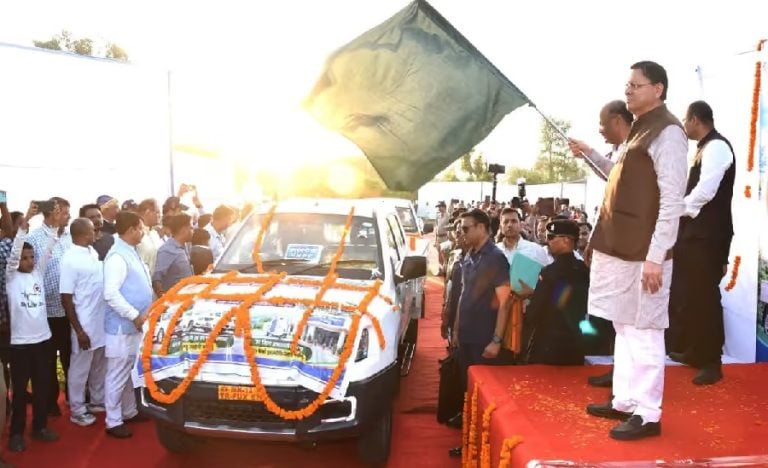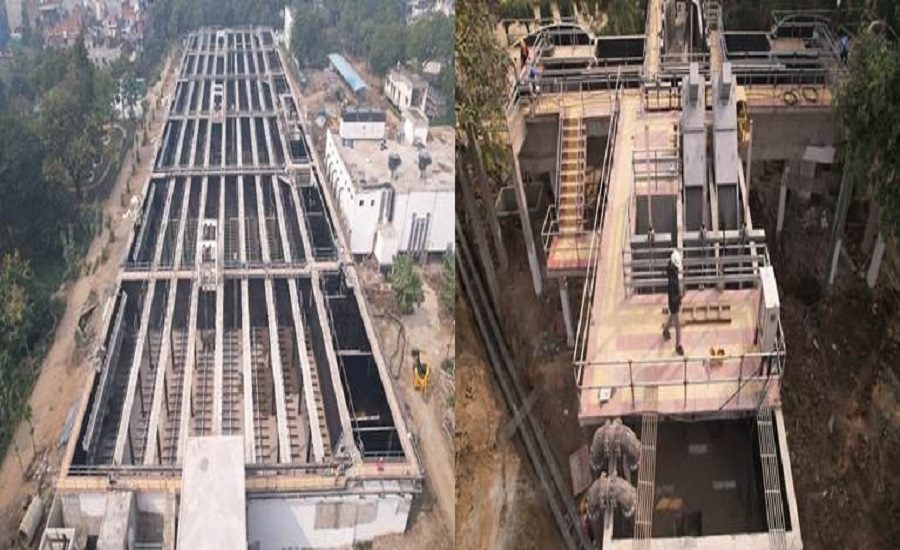
New Delhi: The National Mission for Clean Ganga (NMCG) has achieved significant progress in FY 2025–26, strengthening sewage treatment infrastructure and pollution control measures across the Ganga basin. The initiative marks a major step forward in the government’s ongoing Namami Gange Programme aimed at restoring the river’s ecological health.
During the year, a total treatment capacity of 538.03 million litres per day (MLD) was added through 18 major projects across Uttar Pradesh, Uttarakhand, Jharkhand, West Bengal, and Bihar.
Record Growth in Sewage Treatment Infrastructure
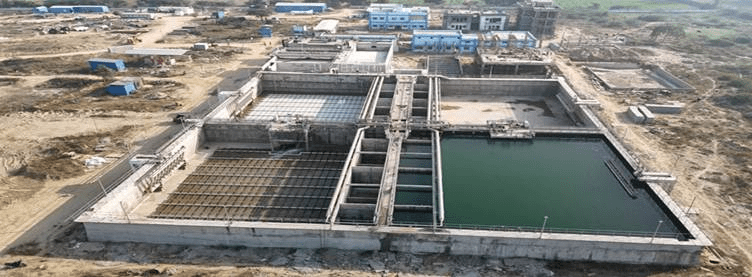
A total of 28 sewage treatment plants (STPs) were completed during the year, surpassing the previous year’s figure of 22 STPs. These projects collectively involved an investment of nearly ₹4,700 crore, highlighting sustained efforts to improve wastewater management in the Ganga basin.
The expansion of treatment capacity is aimed at reducing untreated sewage discharge into the river and improving overall water quality.
Uttar Pradesh Leads with Major Capacity Additions
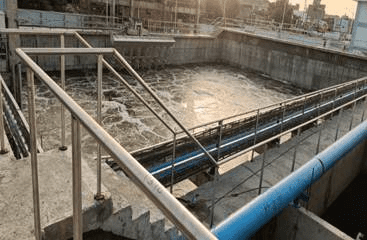
Uttar Pradesh emerged as a major contributor to the programme, with multiple projects completed in cities including Varanasi, Prayagraj, Agra, Moradabad, Vrindavan, and Shuklaganj.
Key highlights include:
- Varanasi (Assi–BHU area): 55 MLD added
- Prayagraj: 43 MLD through drain interception and STP augmentation
- Agra: 166 MLD combined capacity addition
- Moradabad: 25 MLD pollution abatement work
- Vrindavan: 13 MLD capacity enhancement
- Shuklaganj (Kanpur region): 5 MLD addition
These projects significantly strengthen sewage infrastructure across the state’s urban centers.
Uttarakhand Focuses on River Pollution Control
Uttarakhand saw multiple decentralized interventions aimed at improving wastewater management in key towns such as Haridwar, Dehradun, Muni Ki Reti, and Udham Singh Nagar.
Key developments include:
- Udham Singh Nagar: 10.3 MLD capacity addition
- Dehradun (Sapera Basti): 15 MLD
- Muni Ki Reti: 11 MLD
- Haridwar region: small-scale decentralized projects
These initiatives target polluted river stretches and urban wastewater discharge points.
Jharkhand and Bihar Strengthen Urban Wastewater Systems
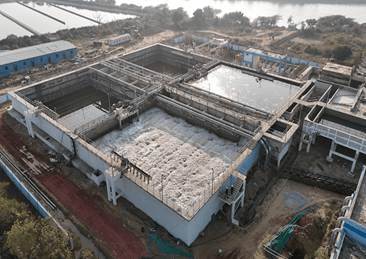
Jharkhand recorded progress through the Phusro project, adding 14 MLD capacity.
Meanwhile, Bihar implemented multiple projects:
- Digha: 30 MLD
- Kankarbagh: 35 MLD
- Bhagalpur: 22.5 MLD
These developments are aimed at improving sewage management in densely populated urban areas along the river basin.
West Bengal Expands Treatment Capacity in Lower Ganga Basin
West Bengal made significant contributions through projects in Maheshtala, Jangipur, Chakdah, and North Barrackpore.
Key additions include:
- Maheshtala: 35 MLD
- Jangipur: 13 MLD
- Chakdah: 15 MLD
- North Barrackpore: 30 MLD
These projects play a crucial role in reducing pollution in the lower Ganga region.
Digital Monitoring Tools Strengthen Transparency
To improve monitoring and accountability, NMCG has introduced advanced digital platforms under the Namami Gange Programme.
Drain Dashboard System
This tool tracks drains discharging into the Ganga, monitors sewage diversion to STPs, and provides real-time data to identify pollution risks.
Ganga Pulse Public Portal
The portal displays real-time STP performance data, including parameters like pH, BOD, and TSS at inlet and outlet levels. It ensures transparency by showing treatment efficiency across five Ganga basin states.
Strong Progress Toward a Cleaner Ganga
The progress achieved in FY 2025–26 reflects a structured and regionally balanced approach to river rejuvenation. With increased treatment capacity, improved infrastructure, and digital monitoring systems, NMCG continues to move closer to its goal of a cleaner and healthier Ganga.
The sustained investment and project execution also position the programme to effectively handle future urban and environmental challenges across the river basin.
Read also: Uttarakhand Set for Urban Transformation with ₹1 Lakh Crore Urban Challenge Fund Initiative