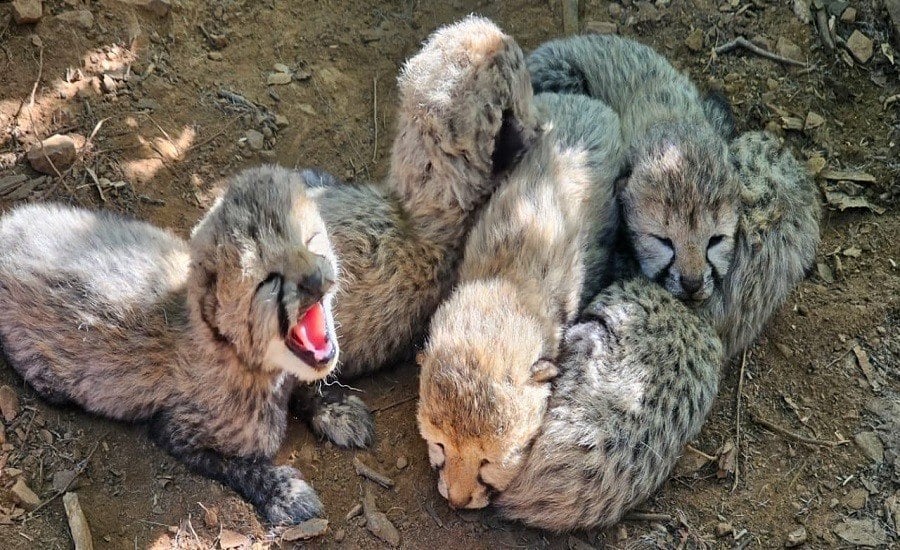
Bhopal: Project Cheetah has achieved another significant milestone with the birth of five healthy cubs at Kuno National Park in Madhya Pradesh. KJP21, a 32-month-old female cheetah born in India, has given birth to the cubs, marking an important step forward in the country’s cheetah reintroduction and conservation programme.
With the arrival of the five cubs, India’s total cheetah population has increased to 60, including 41 cheetahs born on Indian soil. The development brings renewed hope for the establishment of a sustainable cheetah population in the country following the species’ historical extinction in India.
The birth is significant for another reason: the five cubs mark the beginning of the Botswanan genetic lineage in India, as their father is a male cheetah brought from Botswana.
Union Environment Minister Bhupender Yadav and Madhya Pradesh Chief Minister Dr. Mohan Yadav congratulated the veterinarians, forest officials, field staff, park managers and others associated with Project Cheetah for their dedication and continued efforts towards wildlife conservation.
KJP21 Becomes Third Indian-Born Female Cheetah to Give Birth
KJP21 has become the third female cheetah born in India to give birth to cubs in the country, following Mukhi and KGP12.
The birth marks an important development in the growth of India’s cheetah population, demonstrating the emergence of another generation of cheetahs born on Indian soil. It also highlights the progress of conservation, monitoring and reintroduction efforts being carried out under Project Cheetah at Kuno National Park.
The arrival of the five cubs adds to the programme’s efforts to establish a viable and sustainable cheetah population in India. The successful birth of another generation of Indian-born cheetahs is an encouraging development for wildlife experts and conservation teams working towards the long-term management of the species.
Read also: 6 Cheetahs to Move From Kuno to Gujarat’s Banni: October 31 Release Likely, PM Modi May Release Them
Five Cubs Mark Beginning of Botswanan Genetic Lineage in India
The birth of the five cubs is significant not only because of the increase in the cheetah population but also because it introduces a new genetic lineage into India’s growing cheetah population.
The father of the cubs is a male cheetah brought from Botswana. With the birth of the five cubs, the Botswanan lineage has begun contributing to the next generation of cheetahs in India.
The addition of this genetic line is an important development for the programme’s long-term conservation objectives. Genetic diversity is an important consideration in managing wildlife populations, particularly in reintroduction programmes aimed at establishing sustainable populations.
The latest development therefore represents another step forward in the scientific management and conservation of cheetahs in India.
India’s Cheetah Population Reaches 60, Including 41 Indian-Born Cheetahs
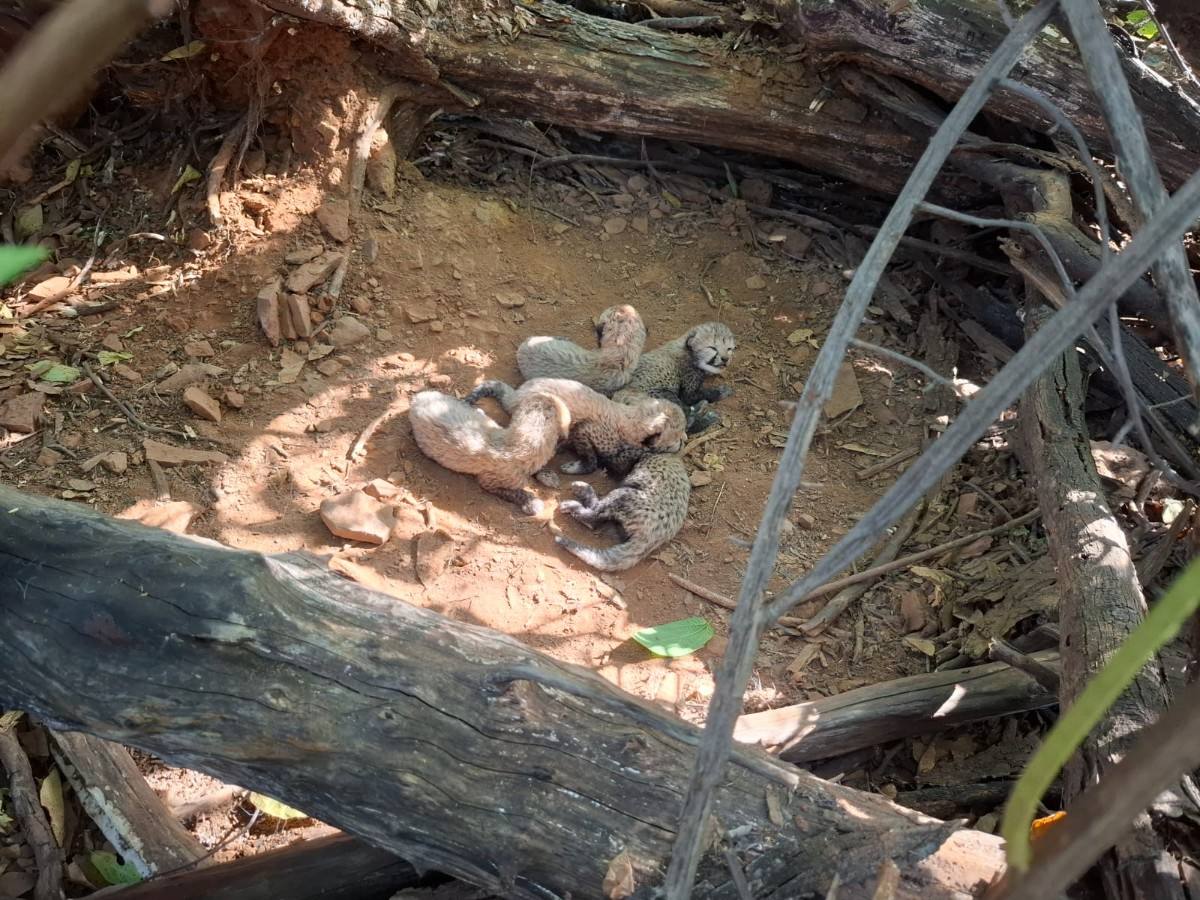
With the birth of the five cubs at Kuno National Park, India’s total cheetah population has reached 60. Of these, 41 cheetahs were born in India.
The growing number of Indian-born cheetahs marks an important phase in Project Cheetah, which aims to re-establish a viable cheetah population in the country following the species’ historical extinction.
Key highlights of the latest development include:
- Total cheetah population: 60
- Cheetahs born in India: 41
- Newborn cubs: Five healthy cubs
- Mother: KJP21, a 32-month-old Indian-born female cheetah
- Father: A male cheetah brought from Botswana
- Location: Kuno National Park, Madhya Pradesh
- Conservation milestone: Beginning of the Botswanan genetic lineage in India
- Reproduction milestone: KJP21 becomes the third Indian-born female cheetah to give birth in the country
Kuno National Park continues to play a central role in the country’s cheetah reintroduction programme. The latest births provide further encouragement to the teams responsible for monitoring, protecting and managing the growing cheetah population.
Bhupender Yadav Congratulates Project Cheetah Team
Union Environment Minister Bhupender Yadav welcomed the birth of the five cubs, describing it as another historic and joyous milestone for Project Cheetah.
He congratulated the veterinarians, field staff, managers and everyone associated with the programme, acknowledging their dedication, commitment and tireless efforts towards advancing cheetah reintroduction and conservation in India.
The minister’s message highlighted the importance of the latest development in strengthening the country’s growing cheetah population and welcoming another generation of cheetahs born on Indian soil.
The achievement also recognises the continued contribution of wildlife experts, veterinary teams, forest personnel and park management in supporting the programme at Kuno National Park.
Madhya Pradesh CM Mohan Yadav Congratulates Conservation Teams
Madhya Pradesh Chief Minister Dr. Mohan Yadav also congratulated the veterinarians, forest officials, field personnel, management team and others associated with Project Cheetah on the birth of the five cubs.
He acknowledged their dedication, commitment and sustained efforts in supporting the cheetah reintroduction programme. The continued work of these teams in conservation, monitoring and scientific management at Kuno National Park has played an important role in the programme’s progress.
The birth of the cubs has brought renewed encouragement for wildlife conservation in Madhya Pradesh and marks another proud moment in the state’s contribution to India’s efforts to restore its cheetah population.
The congratulations from both the Union Environment Minister and the Madhya Pradesh Chief Minister underline the significance of the milestone for wildlife conservation at the national and state levels.
Project Cheetah Strengthens India’s Wildlife Conservation Efforts
The birth of five healthy cubs to KJP21 adds another important chapter to India’s cheetah reintroduction journey. The increase in the number of Indian-born cheetahs, the emergence of a new generation and the beginning of the Botswanan genetic lineage make the development particularly significant.
Project Cheetah continues to focus on establishing a viable cheetah population in India through reintroduction, scientific monitoring and sustained conservation efforts.
The latest milestone highlights the contributions of veterinarians, forest officials, field staff, wildlife experts and park managers involved in the programme. Their continued work is essential to supporting the cheetahs and ensuring the long-term management of the population.
With India’s cheetah population reaching 60 and 41 cheetahs born within the country, the latest births offer renewed hope for the future of cheetah conservation in India. The five cubs represent a further step towards the long-term goal of establishing a thriving and sustainable cheetah population on Indian soil.
Read also: Rare Cheetah Bond in Kuno: 2 Unrelated Males Hunt, Groom & Defend Territory Together