Chandigarh: Punjab has completed construction of 17,000 houses under the Pradhan Mantri Awaas Yojana-Gramin (PMAY-G), with ₹478.45 crore in financial assistance disbursed so far, Rural Development and Panchayats Minister Tarunpreet Singh Sond said.
The state has received sanctions for 36,792 houses since 2024-25, leaving 19,792 units currently under construction across Punjab.
17,000 Rural Houses Completed
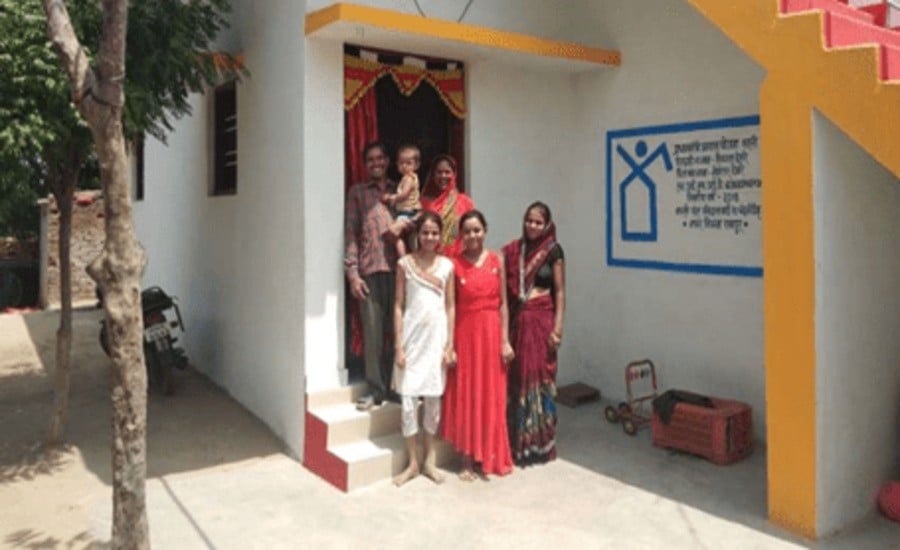
Minister Tarunpreet Singh Sond said the rural housing initiative aims to help economically weaker families and households living in kaccha or unsafe homes get permanent housing.
The government has linked the housing programme with the larger objective of providing families with safe and dignified living conditions.
Of the 36,792 houses sanctioned under PMAY-G, 17,000 have now been completed. Construction of the remaining 19,792 houses is progressing across the state.
The minister said the scheme is not limited to constructing physical structures but also seeks to provide beneficiaries with a secure and dignified place to live.
Read Also: Punjab’s Mawan Dheeyan Satkar Yojna Crosses 76 Lakh Registrations, Says CM Mann
₹478.45 Crore Financial Assistance Disbursed
Punjab has disbursed ₹478.45 crore in financial assistance for the completed PMAY-G houses.
The assistance supports eligible rural families in constructing permanent homes instead of continuing to live in inadequate or unsafe housing.
The latest figures indicate a significant push in implementation since the 2024-25 financial year, with thousands of sanctioned houses now either completed or under construction.
However, the distribution of the completed and ongoing houses across individual districts has not been specified.
₹360 Crore Package for Flood-Damaged Homes
Alongside PMAY-G construction, Punjab is implementing a separate housing support package for families whose homes suffered damage during recent floods.
The state has received a ₹360 crore package for reconstruction and repair of flood-affected houses. Around 30,000 damaged homes have been identified under the initiative.
Of these, 28,020 houses have already received sanctions.
Financial assistance is being released to eligible beneficiaries in instalments. The first and second instalments are currently being transferred directly into beneficiaries’ bank accounts.
The flood-relief package adds another layer to Punjab’s rural housing efforts, particularly for families who faced housing losses or damage during the recent floods.
PMAY-G Focuses on Permanent Rural Housing
The Pradhan Mantri Awaas Yojana-Gramin has been the Centre’s primary rural housing programme since its launch in April 2016.
The scheme aims to provide eligible rural households with pucca houses equipped with basic amenities, including a kitchen and toilet.
At the national level, the government has set a target of 4.95 crore houses by March 2029. Ministry of Rural Development data showed that more than 3.87 crore houses had been sanctioned to states and Union Territories by early February 2026, while over 2.95 crore had been completed.
For rural families, the scheme addresses one of the basic requirements of household security by supporting access to permanent housing.
Punjab Sees Faster Construction Pace
Punjab has historically recorded slower PMAY-G implementation compared with several larger states.
Earlier ministry data showed the state had completed around 58 per cent of its allotted PMAY-G target, while states such as Uttar Pradesh and West Bengal had crossed 97 per cent completion.
The latest figures cited by Minister Sond suggest that the pace of construction in Punjab has increased since 2024-25.
With 17,000 houses already completed and nearly 20,000 more under construction, the state now faces the task of completing the remaining sanctioned units and ensuring that financial assistance reaches eligible beneficiaries on time.
Housing Support Linked to Rural Welfare
The two housing initiatives address different but connected needs. PMAY-G supports eligible rural families in building permanent homes, while the separate flood-relief package focuses on households whose existing houses suffered damage.
Together, the programmes can provide housing security to economically vulnerable families while helping flood-affected households rebuild.
The completion of 17,000 PMAY-G houses marks progress in Punjab’s rural housing programme. The ongoing construction of another 19,792 units will be important in determining how quickly the state can cover the remaining sanctioned beneficiaries.
As Punjab continues to implement rural housing and flood-recovery measures, timely construction, direct fund transfers and effective beneficiary-level monitoring will remain important for turning housing sanctions into completed and usable homes.
Read Also: Punjab Eyes Electronics, Semiconductors Push as State Attracts ₹1.5 Lakh Crore Investment