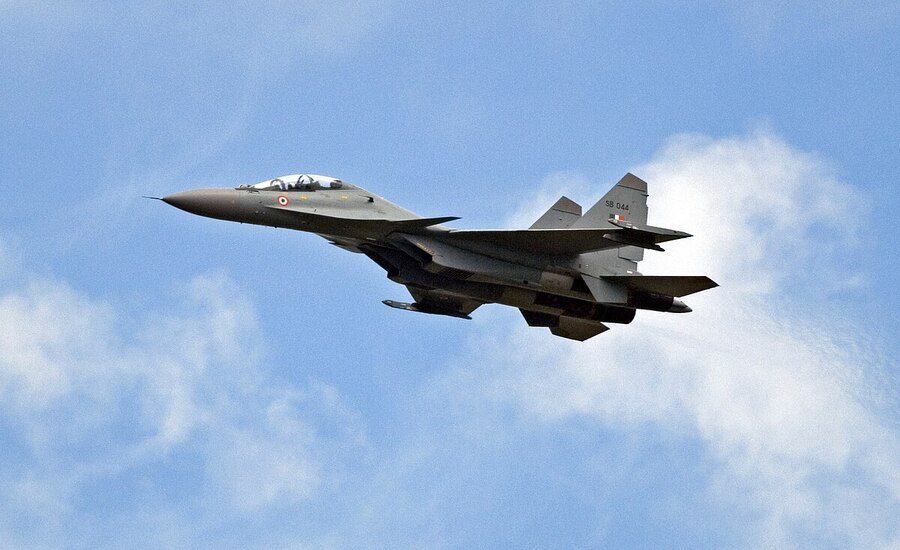
New Delhi: India has achieved a major milestone as DRDO validates Rudram-III integration on Su-30MKI, strengthening the country’s air-launched strike capability. This development confirms that the heavy long-range missile can be safely carried by the Indian Air Force’s frontline fighter jet.
The successful captive trials highlight structural integrity and pave the way for future live tests. With this advancement, India is moving closer to deploying a powerful indigenous stand-off weapon that can hit targets from long distances without exposing pilots to enemy defenses.
What Is the Rudram-III Missile?
Rudram-III is an advanced air-to-ground stand-off missile developed by India’s Defence Research and Development Organisation (DRDO).
- Designed for long-range precision strikes
- Capable of targeting enemy radars, bunkers, and high-value assets
- Expected range: 500+ km (approx.)
- Uses advanced guidance and navigation systems
This missile allows fighter jets to attack from a safe distance, reducing risk during combat.
What is Su-30MKI
The Su-30MKI is one of the most powerful fighter jets in the Indian Air Force.
- Multi-role fighter with heavy payload capacity
- Can carry large and advanced weapons
- Known for long range and high maneuverability
Integrating Rudram-III with Su-30MKI enhances its role as a deep-strike platform.
Rudram-III Integration on Su-30MKI: What Happened in the Captive Trials?
The recent trials focused on captive carriage testing, where the missile is carried by the aircraft but not fired.
Key Achievements:
- Confirmed structural integrity of aircraft and missile integration
- Ensured safe carriage of heavy missile under real conditions
- Validated aerodynamic stability during flight
These trials are critical before moving to actual missile firing tests.
What is the Importance of Rudram-III Integration on Su-30MKI
Here are the key importance of Rudram-III integration on Su-30MKI;
1. Stronger Strike Capability
India can now target enemy assets deep inside hostile territory without crossing borders.
2. Reduced Risk for Pilots
Stand-off weapons allow attacks from a safe distance, avoiding enemy air defense systems.
3. Boost to Indigenous Defence
- Developed fully by DRDO
- Reduces dependence on foreign weapons
- Supports Make in India in defence
What is the Impact of Rudram-III Integration on Su-30MKI
This development places India among a select group of countries with long-range air-launched strike capability.
- Improves deterrence power
- Enhances air dominance in modern warfare
- Strengthens preparedness for future conflicts
What Happens Next?
After successful captive trials:
- Next stage: Live firing tests
- Further integration with IAF operational units
- Possible future upgrades with better precision and range