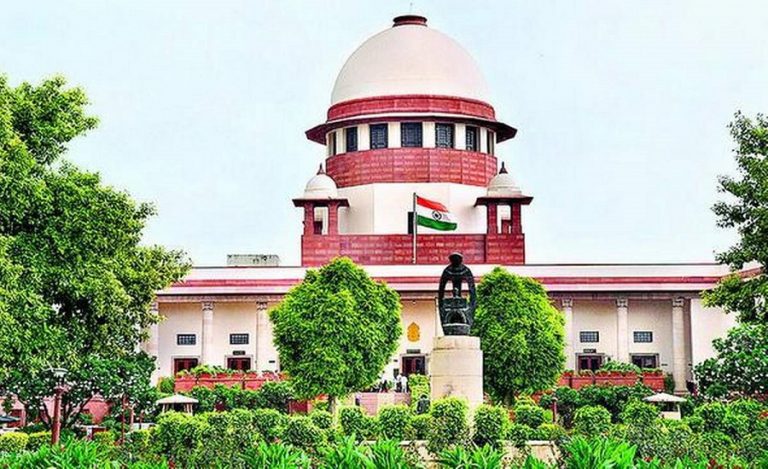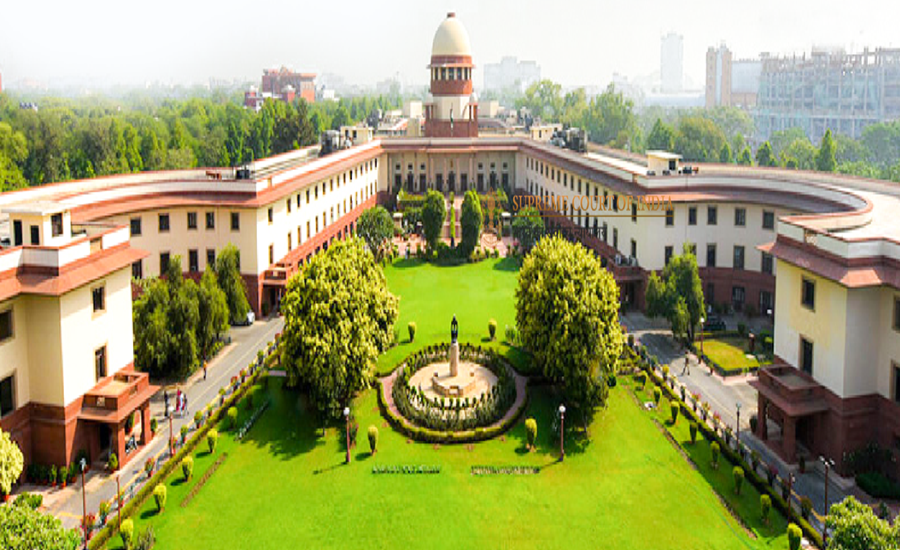
Chandigarh: In a major development, the Supreme Court of India on October 8 ordered that no work shall proceed on the proposed Aravalli Zoo Safari Project in Haryana, until further notice.
The bench of CJI B. R. Gavai and Justice K. Vinod Chandran issued notices and posted the next hearing to November 11.
What is Aravalli Safari Project
The ambitious plan, pitched to span 10,000 acres across the Gurugram–Nuh belt, was envisioned as the world’s largest safari-park-cum-zoo.
It would include zones for big cats, aviaries, herpetarium, nature trails, botanical gardens, underwater exhibits, and more.
However, in its affidavit to the court, Haryana says the project is now scaled down to 3,300 acres, choosing only degraded land with canopy cover <40%.
Who Raised the Alarm?
A coalition of 37 retired IFS officers sent a letter to Prime Minister Narendra Modi demanding the immediate scrapping of the Aravalli Safari Project earlier in this February. Their concerns include irreversible damage to habitat, groundwater disruption, and a mismatch with conservation goals.
In the legal petition filed, the ex-officers and People for Aravallis argued that building roads, enclosures, hotels and other infrastructure within a fragile ecosystem amounts to prioritizing commercial interests over ecological health.
Separately, community groups such as Aravalli Bachao Citizens Movement have also voiced objections, citing habitat fragmentation, waste impact, and loss of community grazing lands.
State’s Defence: “Not Commercial, but Conservation”
In response, Haryana’s government submitted an affidavit explaining that the proposal has been trimmed from 10,000 acres to 3,300 acres, focusing only on the most degraded zones. The state claimed that many parts of the original site had low canopy cover and were afflicted by invasive species, hence less ecologically sensitive.
The affidavit states the project is “conservation-driven”, meant for ecological restoration, biodiversity enhancement, and public awareness rather than commercial gain. Haryana also insisted that the wildlife corridor will remain unaffected, and that animals will be introduced per Central Zoo Authority norms.
The government further claimed the land in question is “highly degraded” and was previously mined, so redevelopment would enhance rather than harm the ecology.
Key Risks Highlighted by Critics
1. Ecological damage & habitat loss: Critics warn that the introduction of roads, fencing, buildings, and tourist infrastructure would fragment wildlife habitats and strain fragile ecosystems.
2. Water & groundwater concerns: Aravalli hills serve critical roles in groundwater recharge. Opponents argue altering terrain and removing vegetation could severely degrade water retention, aggravating water stress in nearby districts.
3. Biodiversity under threat: The region already hosts a rich array of fauna and flora—180 bird species, 15 mammal species, 57 butterfly species, and various reptiles and aquatic life. Critics argue that captive or semi-captive settings may alter natural behaviours and stress species.
4. Redefining Aravalli to sideline protection: Haryana’s Mines & Geology Department has floated a proposal to redefine “Aravalli hills” based on geological age and minimum height (100 m), a move that could exclude many current hill areas from protected status—opening them up for development. Conservationists caution this redefinition would strip legal safeguards from swathes of ecologically critical lands.
Why This Matters Beyond Haryana
The Aravalli range is among the oldest mountain systems globally, stretching across Gujarat, Rajasthan, Haryana and Delhi. It acts as a natural barrier against desertification, regulates climate, and works as a pollution sink for Delhi–NCR.
Between 1975 and 2019, roughly 5,772.7 sq km of forest cover in the Aravallis was lost, with areas converted to barren land or urban use. Experts warn that continued degradation could render many ecosystem services ineffective, exacerbating climate stress on the national capital and neighboring regions.
Thus, the debate is not just local — the stakes include water security, air quality, climate resilience and biodiversity for the whole North India region
Aravalli Safari Project: Opposition Voices & Risks Cited
Five retired Indian Forest Service (IFS) officers along with People for Aravallis filed the challenge. They argue:
The Aravali hills are already an ecologically fragile, critical recharge zone and “green lung” for Delhi-NCR.
The project may prioritize commercial, tourism infrastructure — roads, enclosures, hotels — over restoration. It could disrupt wildlife corridors, damage biodiversity, and heighten anthropogenic pressures.
These petitioners argue that earlier plans were outdated and carried flawed assumptions.
Next? Court Hearing & Decisions
The Supreme Court has posted further hearing for November 11, 2025. Meanwhile, the state has been barred from undertaking any construction or developmental activity until orders from the court.
The legal fight will likely probe whether the project aligns with the Forest Conservation Act, Wildlife Protection Act, Central Zoo Authority norms, and precedents on environmental jurisprudence. If the court rules against Haryana, it could set a precedent limiting large-scale tourism/eco-tourism projects in ecologically sensitive zones.
Final Word
The standoff around the Aravalli Safari Project captures a classic conflict: development ambitions vs ecological wisdom. Haryana frames the project as a renewed effort to restore degraded land. Critics—anchored in decades of forest service experience—contend that the move could worsen long-term damage to a delicate ecosystem.
As India steers toward sustainable growth, this case may test whether developmental dreams get vetoed by environmental reality — or if a middle path is found that honors both nature and progress.