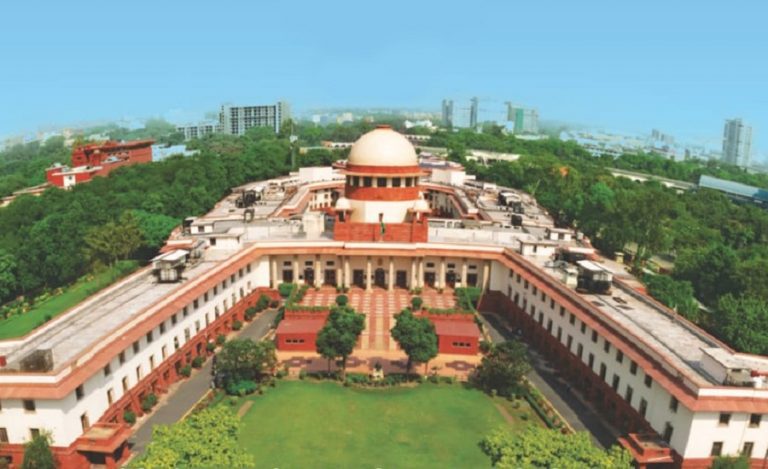
New Delhi: The Supreme Court free EWS treatment order has once again highlighted the issue of free healthcare for poor patients in Delhi. The apex court directed the Delhi Government to frame a Standard Operating Procedure (SOP) to ensure that private hospitals built on concessional government land provide free treatment to Economically Weaker Section (EWS) patients as required under law.
The court said many hospitals were still not following earlier orders related to free treatment for poor patients.
Delhi EWS Free Treatment Rule: What Did The Supreme Court Say?
A bench of the Supreme Court observed that several private hospitals in Delhi failed to comply with the 2018 judgment regarding free healthcare obligations.
Read also: Big Setback for Govt Employees: Supreme Court Rules No Right to Promotion From Old Vacancies
The court ordered:
- A high-level meeting involving Delhi Government officials, land-owning agencies, and private hospitals.
- Creation of a proper SOP for implementation of free EWS treatment.
- Better monitoring and compliance mechanisms.
- Stronger enforcement against hospitals violating the rules.
What Is The Delhi EWS Free Treatment Rule?
Under earlier court orders, private hospitals that received land at subsidised or concessional rates from the government must provide:
- 10% free IPD (In-Patient Department) treatment
- 25% free OPD (Out-Patient Department) treatment
for poor and EWS category patients.
The rule applies to identified private hospitals in Delhi that benefited from government land allotments.
Why Did The Court Intervene Again?
The Supreme Court noted that many hospitals were allegedly not following the free treatment conditions despite repeated directions.
According to reports submitted before the court:
- 51 hospitals were found violating the conditions.
- Only a few hospitals filed compliance affidavits.
- Many hospitals allegedly failed to reserve beds and treatment facilities for EWS patients.
Because of this, the court earlier issued contempt notices to several hospitals.
What Will The SOP Do?
The proposed SOP is expected to:
- Define how hospitals identify EWS patients.
- Create a transparent admission and referral system.
- Improve monitoring of free OPD and IPD services.
- Prevent denial of treatment to eligible patients.
- Ensure proper reporting and accountability.
The Supreme Court wants a uniform system so that poor patients do not face confusion or rejection at hospitals.
Delhi Government’s Recent EWS Changes
Recently, the Delhi Government increased the annual income limit for EWS free treatment eligibility from around ₹2.2 lakh to ₹5 lakh.
This move is expected to help more low-income families access free healthcare in government and identified private hospitals.
Why Delhi EWS Free Treatment Rule Is Important
This case is important because:
- Many private hospitals received public land at very low prices.
- In return, they were legally required to provide free treatment to poor patients.
- The Supreme Court is now pushing for stricter enforcement of those obligations.
The matter also raises larger questions about healthcare access, accountability, and public welfare in India.