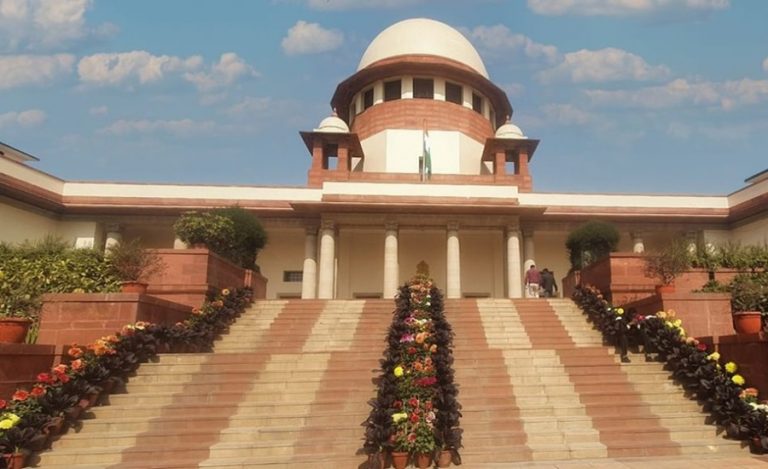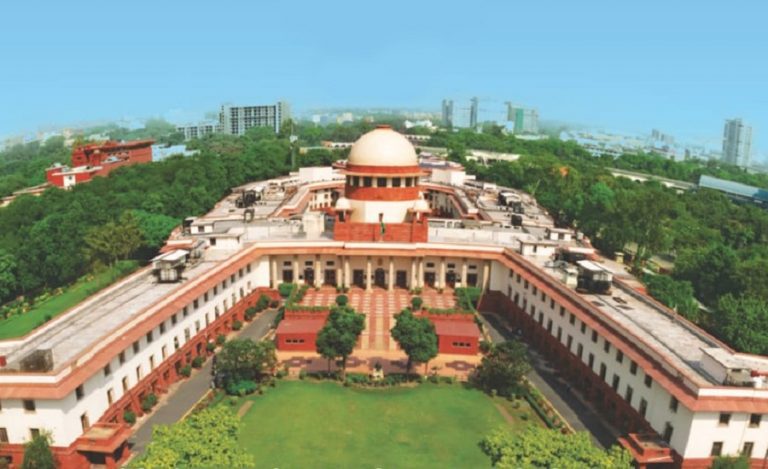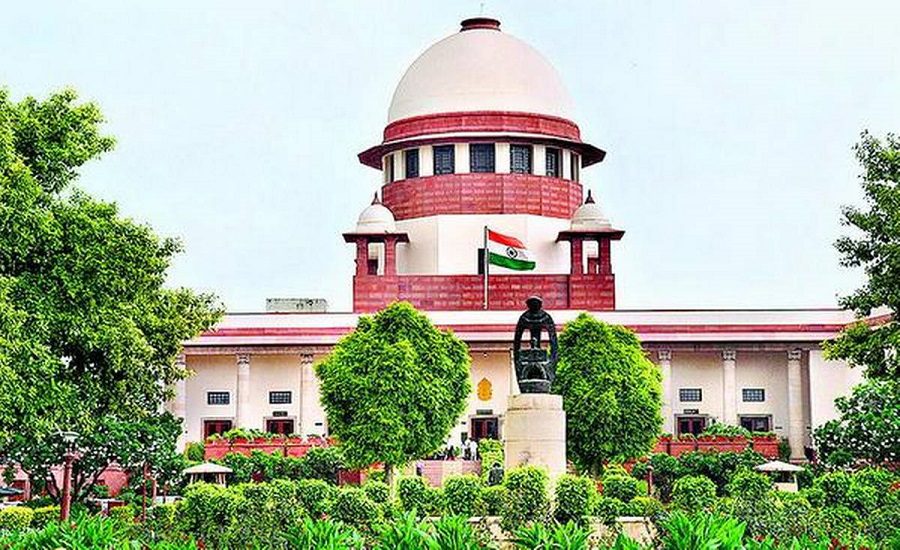
On 18 November 2025, the Supreme Court of India delivered a significant judgment holding that the earlier ruling in the Vanashakti case, which effectively barred the grant of post-facto environmental clearances (ECs) for projects, is recalled. The court’s decision signals a shift in environmental regulation and impacts how mining and real-estate sectors manage clearances going forward.
Background of Vanashakti Judgment
The original judgment in Vanashakti v. Union of India (delivered 15 May by a bench of Justice Abhay S. Oka and Justice Ujjal Bhuyan) held that the Government must not grant ex-post facto environmental clearances for projects requiring mandatory prior EC, and struck down earlier Office Memoranda and notifications that allowed post-facto clearances for mining sectors.
In recent years, two-judge benches such as in D Swamy vs Karnataka State Pollution Control Board (2017) and Alembic Pharmaceuticals Ltd (2020) touched upon the question of post-facto ECs, albeit with nuanced or conflicting outcomes.
Face Behind This Judgement
The recall was ordered by a bench comprising Chief Justice of India B. R. Gavai, Justice Ujjal Bhuyan and Justice K. Vinod Chandran. The decision was by a 2-1 majority: CJI Gavai and Justice Chandran in favour of recall, and Justice Bhuyan dissenting.
Justice Bhuyan (who had authored the original Vanashakti judgment) dissented strongly, arguing that no case is made out for review or recall, and pointed to precedents such as Common Cause (2018) and Alembic.
Importance of the Vanashakti Judgment Recalling
This development carries major implications:
- It potentially re-opens the possibility for projects to obtain post-facto environmental clearances in India, altering how regulatory compliance is managed.
- For sectors like mining and real estate, the judgment alleviates the strict bar on post-facto ECs, thereby reducing risk of project stoppages, demolitions or large-scale non-compliance penalties.
- From the environmental governance angle, the judgment may affect the balance between development and environmental protection, influencing future regulatory policy and enforcement.
Key Challenges & Implications
Challenges:
- Granting post-facto clearances may dilute deterrence against illegal or non-compliant environmental practices. Justice Bhuyan cautioned that reversing the bar may erode fundamentals of environmental law.
- Ensuring that post-facto ECs (if granted) do not become a loophole for violation of mandatory prior EC requirement remains a key challenge.
- The government and regulators will need to calibrate how and when such clearances are permissible, ensuring transparency, fairness and environmental standards.
Key Implications:
- Projects already operating without valid EC may now have greater hope for regularisation rather than demolition, thereby reducing loss of investment and socio-economic disruption.
- On the flip side, it may trigger public interest litigation or opposition from environmental groups, concerned that weakening the bar undermines environmental protection.
- Regulatory clarity will need to be established: when exactly post-facto EC is acceptable, what conditions apply, and what safeguards ensure environmental integrity.
Way Forward
- Courts and regulators should adopt a standard framework defining “exceptional cases” where post-facto EC may be granted — akin to the approach taken in D Swamy.
- Monitoring mechanisms must be strengthened; any regularisation via post-facto EC should include robust compliance audits, penalties for misuse, and public transparency.
- Environmental impact assessments should maintain integrity; even if post-facto clearances are allowed, projects must adhere to prior EC norms as far as possible to protect ecosystem, groundwater, forests and public interest.
- Stakeholders such as real-estate developers, mining firms, environmental litigators and local communities must engage in dialogue to ensure balanced development that respects environmental sustainability.