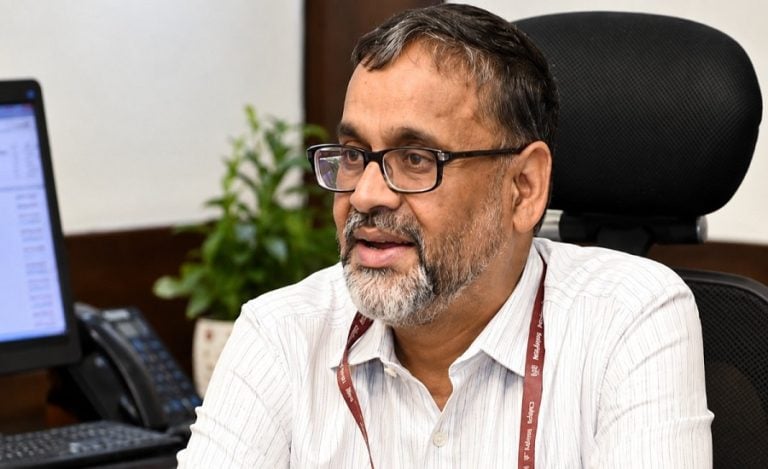
Dehradun: Uttarakhand is set to release its Viksit Uttarakhand 2047 Vision Document next month, followed by a three-phase roadmap for planned development, according to Principal Secretary, Planning and Energy, Dr R. Meenakshi Sundaram.
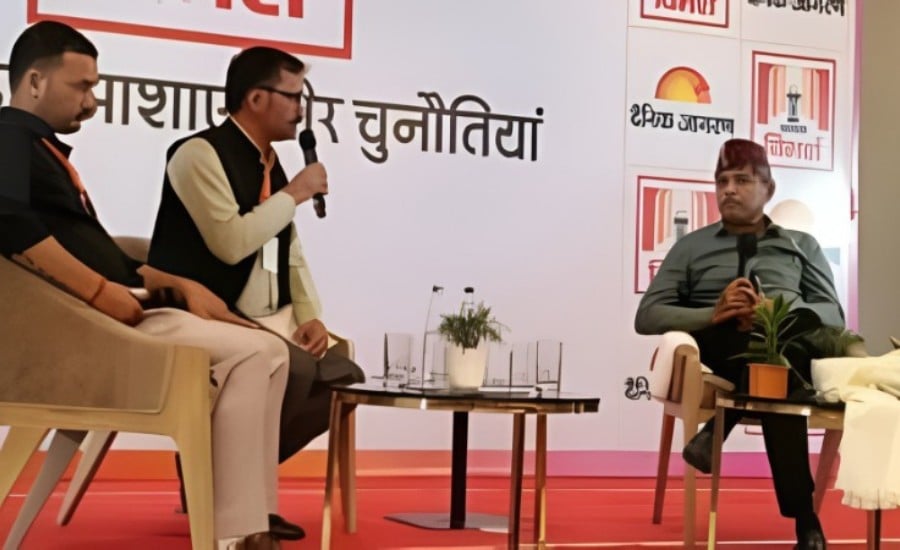
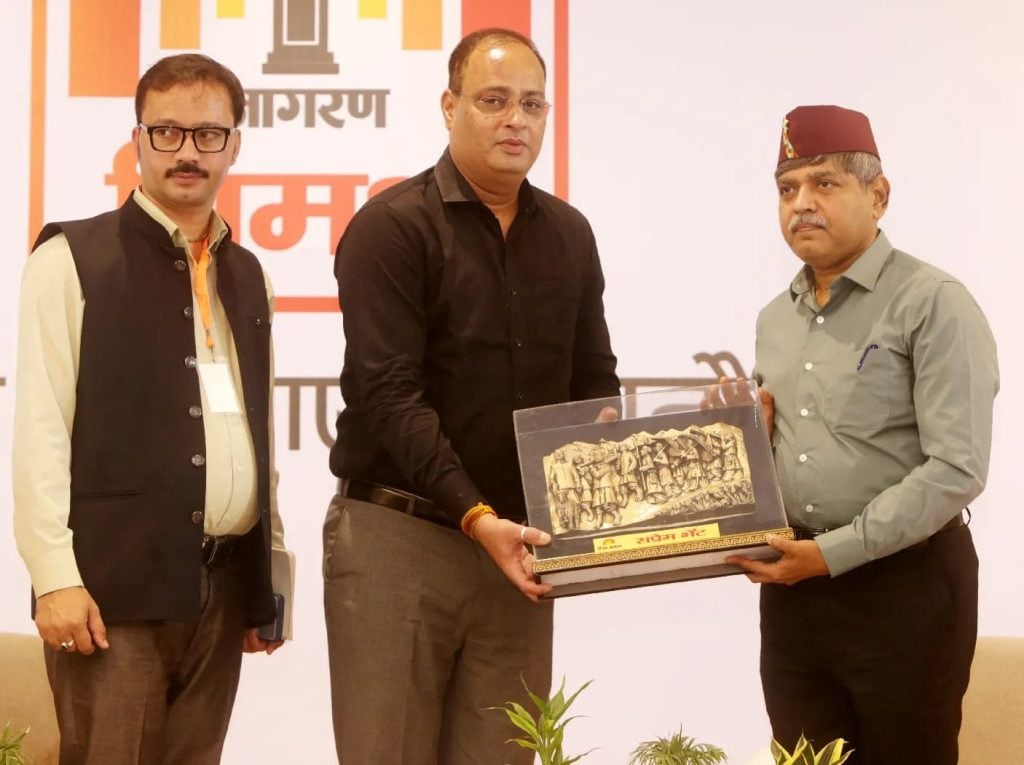
Speaking at a Jagran Vimarsh session in Haldwani, Sundaram said the vision document aims to guide the state’s development over the next 21 years. The stated targets include increasing Uttarakhand’s per capita income tenfold and its Gross State Domestic Product (GSDP) more than sevenfold.
Three-Phase Roadmap Planned
Sundaram said the vision document will be followed by a roadmap to implement the state’s development plans in three phases.
Read Also: Uttarakhand Plans Master and Zonal Framework for 8,000-Hectare Tehri Lake Area
He cited the Delhi-Dehradun Elevated Wildlife Corridor as an example of planned development, saying it allows wildlife to move without interruption.
The Principal Secretary also highlighted Uttarakhand’s homestay programme and said tourism has expanded beyond established destinations such as Nainital and Mussoorie, with visitors travelling to other parts of the state.
Hydropower Projects and River Valleys
Sundaram said Uttarakhand could generate revenue by selling electricity to other states if its hydropower potential is developed fully.
He also referred to opposition to hydropower projects in the state. According to him, all power projects in the Bhagirathi Valley were stopped, while projects in the Alaknanda Valley are under judicial consideration.
He said the Lakhwar and Kisau dam projects on the Yamuna are being constructed and argued that they should not face opposition because they generate clean energy.
Sundaram Cites 2010 Floods
The Principal Secretary said Uttarakhand had not experienced a disaster caused by a dam and cited the 2010 floods as an example of the role played by the Tehri Dam.
According to his account, heavy rainfall in the Bhagirathi and Alaknanda valleys led to an alert that Haridwar could receive its highest water flow in a century. He said water from the Bhagirathi was held back at the Tehri Dam, allowing water from the Alaknanda to pass first.
Tunnels and Bridges Favoured for Major Roads
Sundaram advocated the use of tunnels and bridges for major lifeline roads in the mountainous state.
He said such construction could reduce travel time and limit the need for cutting into mountain slopes. He also said tunnels and bridges could help rescue teams reach affected areas more quickly during disasters.
Strategic Considerations in Border Areas
Discussing road development, Sundaram recalled his tenure as Uttarkashi District Magistrate between 2006 and 2008.
He said the Army had wanted roads to be extended up to the border at a time when infrastructure development was progressing rapidly on the Chinese side.
He also recalled a dispute over road construction inside a national park, where the Supreme Court’s Central Empowered Committee had inspected the area and did not support construction citing the need to protect the mountain goat.
Sundaram said development decisions in strategically sensitive areas require consideration of national security requirements alongside other concerns.
Land Bank and Inter-Departmental Land Use
On the availability of government land, Sundaram said the state has substantial land but that departments have historically been reluctant to transfer land to one another.
He said an Optimal Land Utilisation Committee was constituted in 2022 to address such issues and that several matters have since been resolved.
Kainchi Dham Bypass and Ropeway
Sundaram said the Kainchi Dham bypass is expected to open in about three months. The bypass is intended to provide a route for travellers heading towards Almora and Ranikhet.
He also said a ropeway to Kainchi Dham is being developed for visitors.
Government Begins Carrying-Capacity Assessment
The Principal Secretary said the state government has started assessing the carrying capacity of tourist destinations.
He cited Gomukh Glacier and Valley of Flowers as examples where visitor numbers are being restricted.
Sundaram also argued that the number of tourists alone should not be used to measure the success of a destination. He said tourism should generate greater economic spending in local areas and cited low daily spending by foreign visitors in Rishikesh as one issue.
According to his statement, foreign tourists in Rishikesh spend around US$20 per day, while an Indian travelling in Europe may spend around US$200 per day. He attributed part of the difference to the availability of quality accommodation.
Development Authorities and Illegal Construction
Sundaram said development authorities currently do not have effective control over illegal construction, not only in Uttarakhand but across the country.
He called for stronger legal provisions and greater accountability for those responsible for unauthorised construction.
On construction debris, he said that for large projects, monitoring of debris disposal is the responsibility of the Forest Department, rather than the implementing agency.
He also said environmental damage is caused not only by development activities and described forest fires as a major environmental threat.
Read Also: Uttarakhand Approves Over ₹306 Crore for Roads, Flood Protection and Development Works