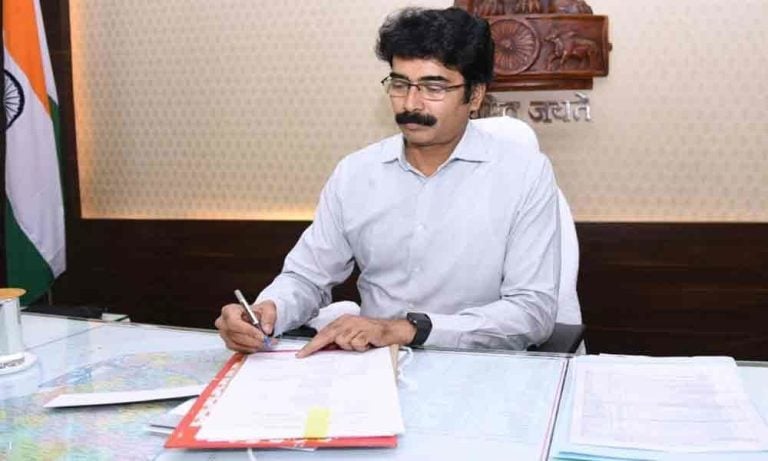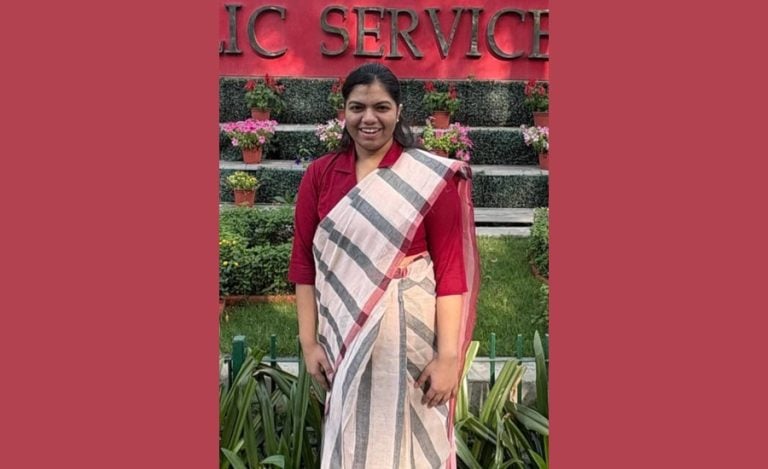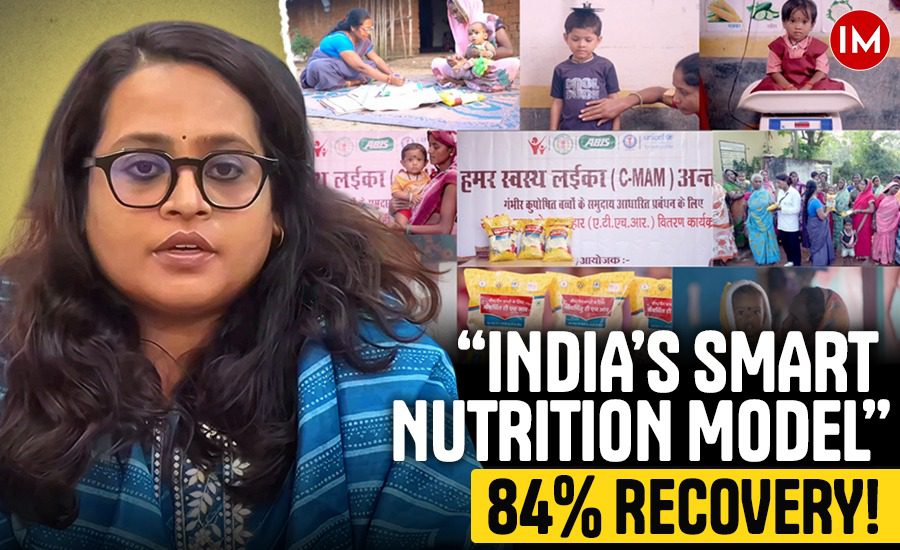
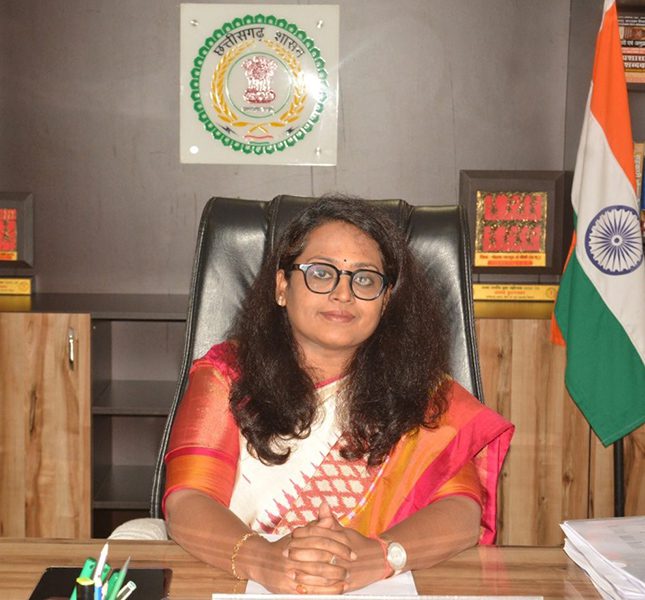
In the remote and tribal district of Mohla-Manpur-Ambagarh Chowki in Chhattisgarh, a quiet but powerful transformation is underway – one that is redefining how India tackles child malnutrition. At the heart of this change is the Augmented Take-Home Ration (ATHR) initiative, a focused and outcome-driven intervention led by 2016 batch IAS officer Tulika Prajapati, the district Collector.
Designed to combat Severe Acute Malnutrition (SAM), the ATHR initiative moves beyond conventional approaches by adopting a structured “Identify–Treat–Sustain” strategy.
What makes this effort stand out is not just its innovation, but its precision – ensuring that nutrition is not merely delivered, but actually absorbed, monitored, and translated into measurable health improvements.
Indian Masterminds interacted with Ms Prajapati to understand the ATHR initiative and how she effectively implemented the strategy to achieve impactful results.
Understanding the Challenge: Why a New Approach Was Needed
Mohla-Manpur-Ambagarh Chowki presents a unique and complex nutrition landscape. With a high tribal population, limited dietary diversity, and widespread maternal anemia, the district faces deep-rooted challenges. Geographic inaccessibility further complicates service delivery, while behavioral factors such as low awareness, delayed health-seeking practices, and gaps in childcare worsen outcomes.
Read Also: Rescue, Reform, Repeat: How Balangir Police Are Dismantling Human Trafficking Networks in Odisha
Traditional solutions, including the existing Take-Home Ration (THR) system, have played a significant role in addressing malnutrition – but not without limitations. As Collector Tulika Prajapati explains:
“While THR has been a vital support system, it often falls short for SAM and MAM children due to lower nutritional density, issues of taste, and the need for larger consumption quantities, which is difficult for children with low appetite,” she said.
These gaps meant that despite food distribution, actual nutritional recovery remained inconsistent – prompting the need for a more targeted, localized, and intensive intervention.
The ATHR Model: Identify, Treat, Sustain
The ATHR initiative is built on a simple yet powerful framework – Identify, Treat, Sustain.
Identification begins at the grassroots level, where children are systematically screened through field visits and digital platforms. This ensures that no child slips through the cracks and that interventions are data-driven.
Treatment involves the provision of Augmented Take-Home Ration (ATHR) – a specially designed, nutrient-dense, palatable, and easy-to-consume supplementary food. Unlike traditional rations, ATHR is tailored specifically for SAM children, addressing both their nutritional needs and consumption challenges.
Sustainability is ensured through continuous monitoring, counselling of caregivers, and strong community engagement. This phase is critical, as it bridges the gap between food provision and actual health outcomes.
As IAS Prajapati said, “Our goal was to shift from simply distributing food to ensuring real nutritional recovery. That required us to focus equally on identification, targeted treatment, and sustained follow-up.”
Measurable Impact: From Distribution to Outcomes
The results of this structured intervention have been striking. Under Prajapati’s leadership, the district has recorded a significant improvement in child nutrition indicators.
Recovery rates have surged to 84%, a substantial increase compared to earlier levels.
Weight gain trends have improved dramatically, with children showing rapid early progress – up to 1.95 in initial weeks – and sustained growth thereafter.
Consumption compliance has exceeded 90%, reflecting better acceptance due to improved taste and ease of consumption.
These outcomes signal a clear shift – from input-based governance to outcome-based impact.
“What is encouraging is not just the numbers, but the consistency in improvement. Children are recovering faster, and families are more engaged in the process,” Ms Prajapati said.
Collaboration and Convergence: Strengthening the Ecosystem
A key strength of the ATHR initiative lies in its collaborative approach. The program is technically supported by UNICEF Chhattisgarh and AIIMS Raipur, ensuring scientific rigor and continuous guidance. Financial and operational backing from ABIS Group has further strengthened implementation.
Equally important is the convergence between the Women & Child Development Department, the Health Department, and community institutions. This integrated approach has enhanced both service delivery and monitoring mechanisms at the ground level.
Looking Ahead: A Scalable Model for the Future
The district administration is now focused on scaling and sustaining the initiative. Future plans include:
- Integrating ATHR into existing government systems
- Expanding coverage to children with Moderate Acute Malnutrition (MAM) and other vulnerable groups
- Promoting local production of ATHR through Self-Help Groups
- Strengthening supply chains and digital monitoring systems
This forward-looking strategy ensures that the initiative is not just impactful, but also sustainable and replicable.
“We see ATHR as a model that can be adapted across regions. The idea is to build a system where nutrition outcomes are measurable, scalable, and sustainable,” Ms Prajapati added.
National Recognition Strengthens the Initiative’s Impact
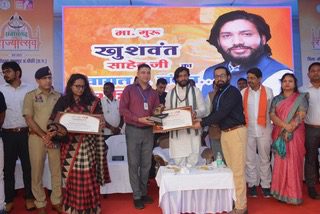
The nutrition efforts in the district have also received national-level recognition. AIIMS Raipurwas felicitated by the district administration during the Rajat Jayanti celebrations in November 2025 for its key role in combating child malnutrition. The honour was presented by Guru Khuswant Saheb, acknowledging its impact on improving nutrition outcomes among children under five.
Through its State Centre of Excellence for Nutrition, AIIMS Raipur has been supporting the district since 2023 under the Comprehensive Nutrition Enhancement Program (CNEP), in collaboration with UNICEF Chhattisgarh and ABIS Group. One of the major successes of this partnership has been the rollout of Augmented Take-Home Rations, helping over 500 children recover from Severe Acute Malnutrition and regain normal health status through sustained technical and field support.
A Paradigm Shift in Nutrition Governance
The ATHR initiative represents more than just a supplementary feeding program – it marks a fundamental shift in how malnutrition is addressed. By focusing on outcomes rather than inputs, and by tailoring interventions to local realities, the district has created a model of governance that is both effective and adaptable.
In a region once defined by its challenges, Mohla-Manpur-Ambagarh Chowki is now emerging as a beacon of innovation in public health. The success of ATHR underscores a powerful message: when strategy, planning, and community engagement come together, even the most persistent challenges can be transformed into stories of hope and progress.