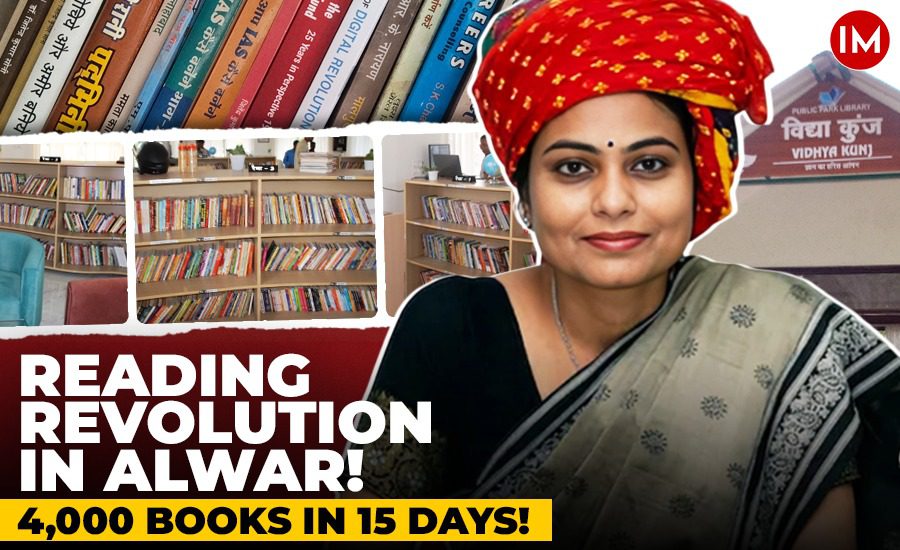
In an age dominated by screens, shrinking attention spans, and endless scrolling, Alwar has quietly sparked a powerful movement – one that invites people to pause, breathe, and reconnect with the timeless joy of reading. At the heart of this transformation stands Vidya Kunj Park Library, Rajasthan’s first-ever park library, a unique initiative that blends literature with lush greenery and community spirit.
Conceived under the leadership of 2016 batch IAS officer Dr. Artika Shukla, District Collector of Alwar, this initiative is far more than just a reading space – it is a social, cultural, and environmental intervention. Its impact went beyond the local community, earning praise from Rajasthan’s Chief Secretary, who called it a model worth replicating across the state.
Indian Masterminds interacted with IAS Shukla to understand the vision, implementation, and impact of this initiative. As she explains, the idea was simple yet profound: “We didn’t just want to create a library. We wanted to build a space where people could reconnect – with books, with nature, and with themselves.”
The Idea Behind Vidya Kunj: Reviving a Lost Culture
The genesis of Vidya Kunj lies in a growing concern – declining reading habits, especially among the youth. With increasing dependence on mobile phones, particularly in a district grappling with cybercrime challenges, the administration felt the urgent need to redirect young minds toward constructive engagement.
Read Also: From Fear to Fearless: How IAS Bhagyashree’s ‘Veerangana’ Made Thousands of Girls Fearless in Dhule
Dr. Shukla shares candidly, “There was excessive reliance on mobile phones. Many children were drifting toward unproductive – and sometimes harmful – activities. We felt a strong need to reintroduce reading as a habit and as a way of life.”
Drawing inspiration from similar concepts seen in Delhi and abroad, and rooted in Alwar’s natural identity – home to the Sariska forest – the idea took shape: a library inside a park, where learning happens amidst greenery.
A Vision Beyond Books: Aim of the Initiative
The initiative was designed with a holistic vision –
- To revive the culture of deep reading in an era of short-form digital consumption
- To blend nature with knowledge, creating a calming, reflective space
- To encourage multi-generational engagement, where children, parents, and elders can read together
- To promote environmental consciousness, linking learning with ecological awareness
As Dr. Shukla beautifully puts it:
“Reading doesn’t just improve academics – it shapes your personality, your thinking, your character.”
From Concept to Reality: Implementation on Ground
The execution of Vidya Kunj is a story of speed, collaboration, and community ownership.
Developed by the Urban Improvement Trust (UIT), the library was constructed in just 60 days in Budh Vihar’s D-Block park. The planning process involved multiple rounds of discussions with residents and welfare associations, ensuring that the space reflected community needs.
“This was not just an administrative project – it became a participatory movement,” says Dr. Shukla.
A Library Like No Other: Unique Features
1. A Library Within a Park
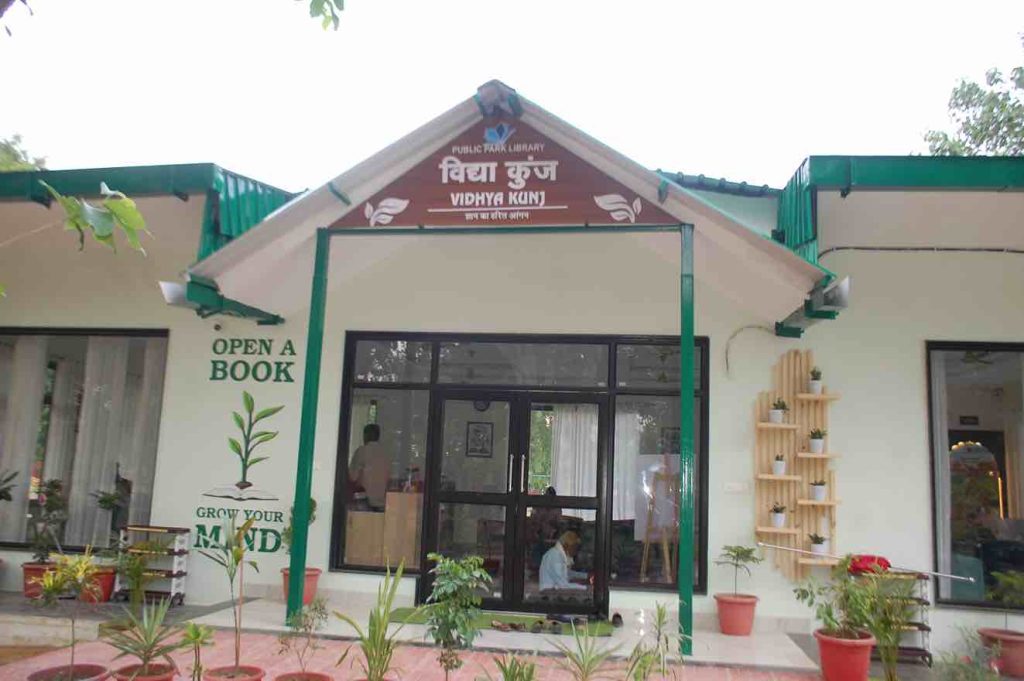
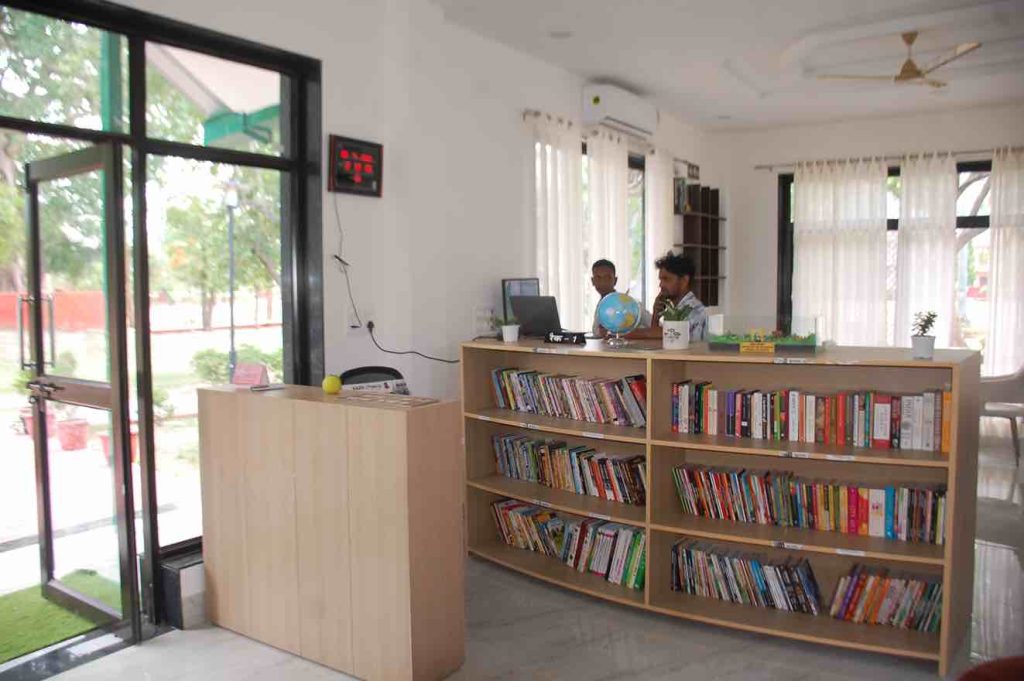
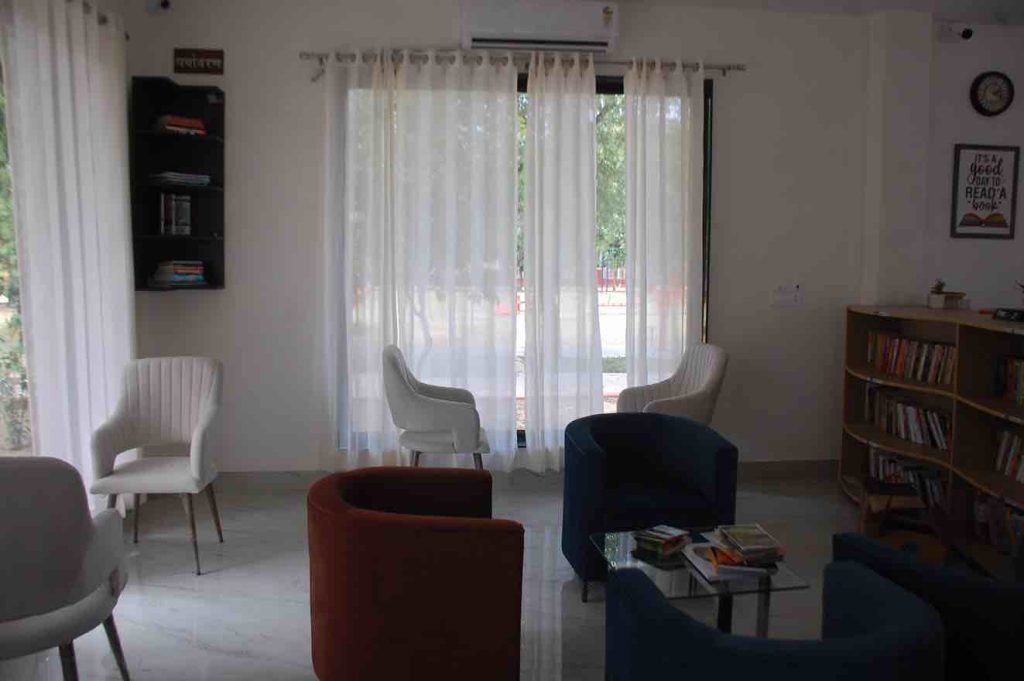
Imagine reading a book while surrounded by trees, fresh air, and the gentle sounds of nature. Vidya Kunj makes this possible. Children play outside while parents and elders read inside—a seamless blend of recreation and reflection.
2. Glass Architecture that Invites Nature In
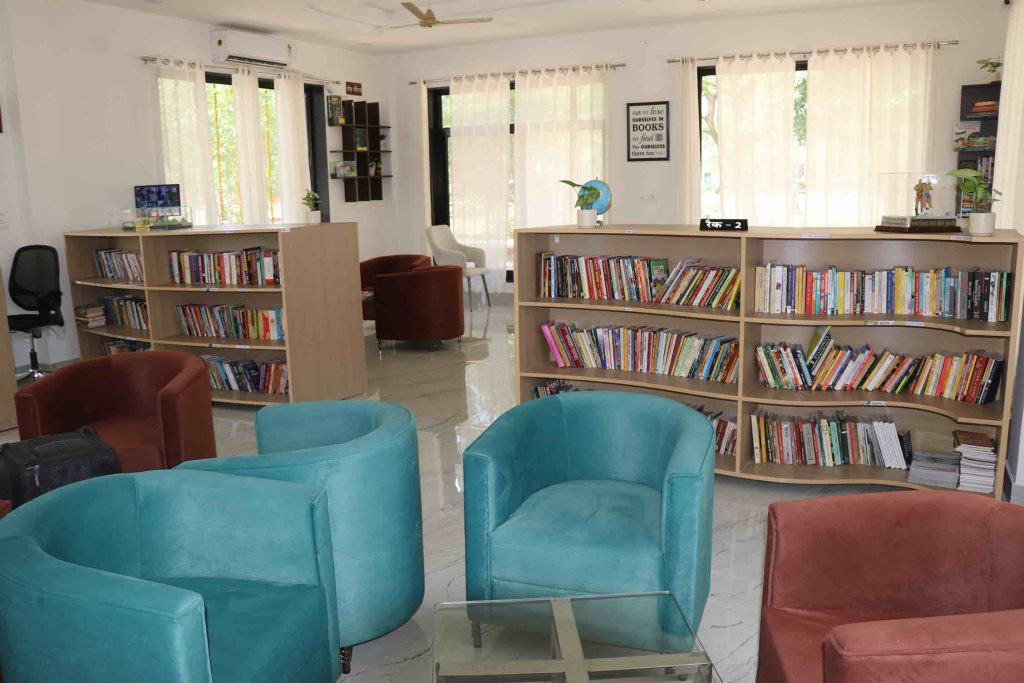
Over 70% of the structure is made of glass, allowing readers to remain visually connected to the greenery outside. Sunlight filters through, creating a serene and immersive reading experience.
3. Rooted in Local Identity
The library proudly showcases:
- A Rajeevika Wall highlighting handmade products by women’s self-help groups
- A Tourism Wall celebrating Alwar’s heritage
- A Panch Gaurav Wall preserving local cultural artifacts
4. A True People’s Library (Jan Bhagidari)
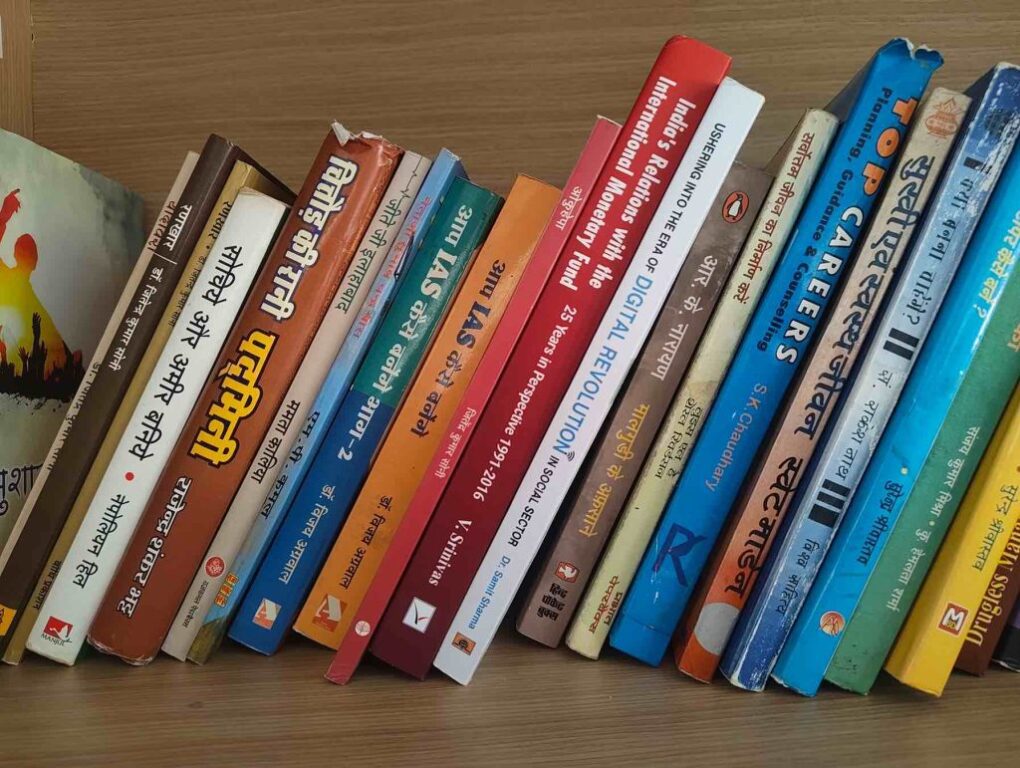
Perhaps the most remarkable aspect—not a single rupee was spent on books.
Dr. Shukla recounts: “I simply made a video appeal. Within 15 days, we received over 4,000 books.”
From industries like Saint-Gobain and Ashok Leyland to journalists, professors, and citizens—everyone contributed. Even senior officials and authors donated their works.
“People didn’t just donate books – they donated belief in the idea,” she adds.
5. Environmental Sustainability at Its Core
The project integrates a 40,000-litre rainwater harvesting system, channeling rooftop water into an underground tank that replenishes a nearby well—addressing Alwar’s water scarcity while promoting greenery.
6. Community-Driven Management
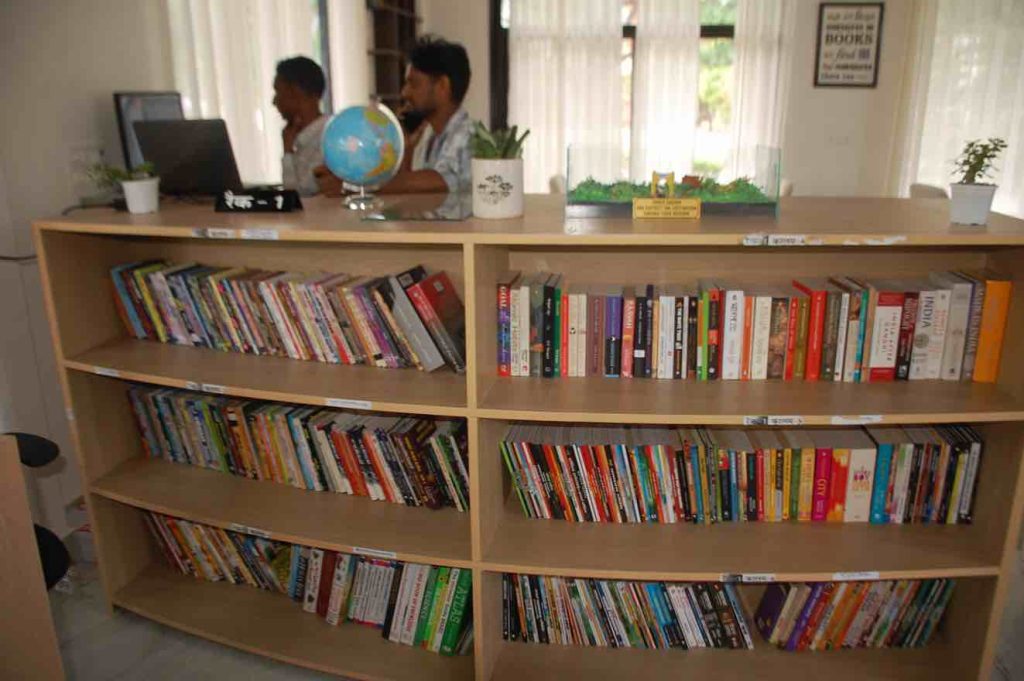
The library is managed by volunteers, equipped with CCTV, a water cooler, newspaper stands, and basic amenities – many of which were also donated by the public.
The Struggles: Changing Mindsets in a Digital Age
One of the biggest challenges wasn’t infrastructure – it was behavior.
Convincing a generation accustomed to instant digital gratification to return to books required not just facilities, but inspiration.
“We had to create an environment so inviting that people would want to come – not be told to come,” Dr. Shukla explains.
Impact: A Silent Revolution Takes Root
The results were almost immediate. Within just 2–3 months, the library began witnessing a steady flow of visitors:
- Children exploring books after playtime
- Young students preparing for exams
- Women reading while watching their children
- Elderly citizens finding a peaceful retreat
“The response has been overwhelming. People are coming in the mornings and evenings – young, old, everyone,” says Dr. Shukla.
Even on rainy days, the library turns into a vibrant shelter of ideas and conversations.
Budget and Resource Innovation
While the physical infrastructure was funded by UIT, the project stands out for its cost-effective and innovative resource utilization:
- Zero expenditure on books (community donations worth approx. ₹4 lakh or more)
- Use of existing park space
- Integration of water conservation systems
- Volunteer-driven operations
This model proves that impactful governance doesn’t always require massive budgets – just vision and public trust.
Beyond a Library: A Movement Called “Vidyakunj”
Encouraged by the success of Vidya Kunj, the administration is now scaling the initiative.
Plans are underway to establish similar libraries across all nine administrative blocks of Alwar, including rural areas. Vacant or underutilized school buildings will be renovated to minimize costs.
The expanded initiative has been aptly named “Vidyakunj” – a reservoir of knowledge.
“We want every community to have its own space for learning and reflection,” says Dr. Shukla.
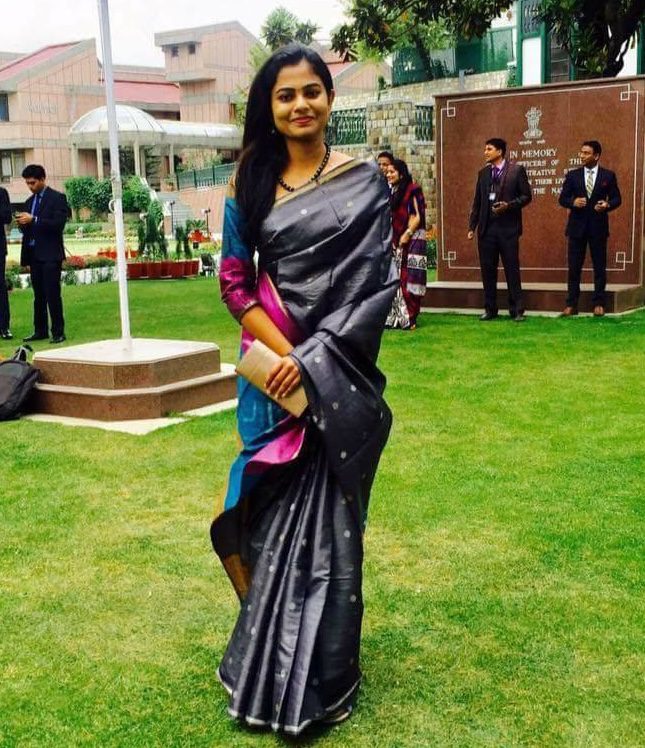
Brain Behind the Initiative: IAS Artika Shukla
Dr. Shukla is a 2016-batch IAS officer of the Rajasthan cadre, currently serving as the Collector and District Magistrate of Alwar since September 5, 2024. Born in 1990 in Varanasi, Uttar Pradesh, she has a strong academic and professional background in medicine, having completed her MBBS from Maulana Azad Medical College, Delhi, in 2013. She later began pursuing an MD in Pediatrics at PGIMER, Chandigarh, but left it midway to prepare for the UPSC Civil Services Examination.
She secured All India Rank 4 in UPSC 2015 in her very first attempt, achieving this feat within just eight months of preparation without formal coaching. Inspired by her elder brother, she relied primarily on self-study and his guidance. Coming from a family of public servants, her father is a doctor, and her two elder brothers are in the civil services.
Key Posting & Service Experience:
- Initially allotted the AGMUT cadre; later transferred to the Rajasthan cadre after marriage
- Served as Sub-Divisional Officer (SDO) in Rishabhdev, Udaipur
- Worked as Sub-Divisional Magistrate (SDM), Ajmer (2019–2020)
- Held the role of Assistant Secretary
- Currently serving as District Collector & Magistrate, Alwar (since September 2024), focusing on people-centric governance
In her personal life, she is married to IAS officer Jasmeet Singh Sandhu (AIR 3, UPSC 2015). The couple met during their training at LBSNAA, Mussoorie.
A Collective Triumph: Where People Became Stakeholders
What truly sets Vidya Kunj apart is not just its design or purpose – but its ownership.
From donating books to contributing amenities, the people of Alwar embraced the library as their own.
“In many initiatives, administration leads and people follow. Here, people led with us,” reflects Dr. Shukla.
Sitting at the Feet of Nature and Knowledge
Vidya Kunj Park Library is not just a physical space – it is an idea, a philosophy, a gentle reminder that progress doesn’t always lie in speed, but sometimes in stillness.
It invites people to sit quietly – under the shade of trees, with a book in hand – and rediscover the joy of thinking, imagining, and growing.
In the words of Dr. Artika Shukla: “This is our attempt to bring people back to books – because when you read, you don’t just gain knowledge, you become a better version of yourself.”
And in Alwar today, that transformation has already begun.
Read Also: A ‘Novel’ Step: Delhi Park Opens Library for Visitors