Patna: Bihar is set to establish a modern frozen semen station in Lakhisarai with an estimated investment of around ₹100 crore. The facility will have a planned annual production capacity of 50 lakh semen doses and will focus on improving livestock genetics, breeding quality and milk productivity.
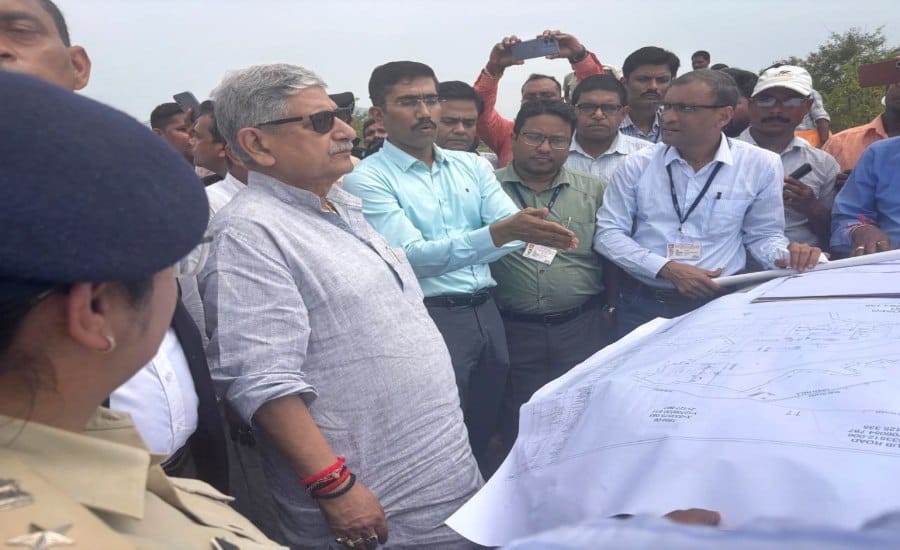
Union Minister for Fisheries, Animal Husbandry and Dairying Rajiv Ranjan Singh, popularly known as Lalan Singh, inspected the proposed project site at Gopalpur village in Chanan block on Saturday.
The project is expected to strengthen Bihar’s livestock breeding infrastructure while giving dairy and livestock farmers better access to quality semen and modern reproductive technologies.
50 Lakh Doses to Be Produced Annually
The proposed station will have the capacity to produce 50 lakh semen doses every year. A key focus will be the production and use of sex-sorted semen.
Sex-sorted semen technology can increase the chances of producing female offspring. When used with high-quality breeding material, it can support the development of female cattle with stronger genetic potential and better milk-producing capacity.
This could help Bihar accelerate its breed improvement programmes and gradually improve the productivity and quality of its livestock population.
Read Also: Bihar to Speed Up Board Results, Give Failed Students Another Chance
COMFED and NDDB to Drive the Project
The project has been approved under the National Gokul Mission of the Government of India.
Bihar State Milk Co-operative Federation Limited (COMFED) will handle the implementation of the project in the state, while the National Dairy Development Board (NDDB) will provide technical assistance for construction and other technical requirements.
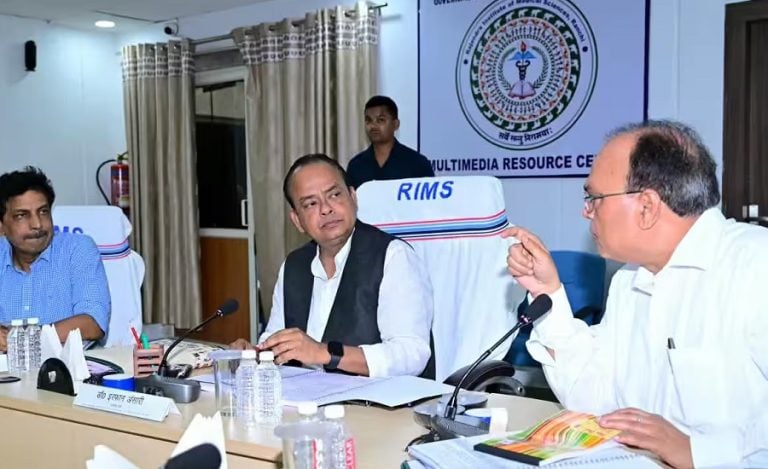
During the site inspection, NDDB officials presented the proposed site layout, construction plan, technical structure and facilities to the Union Minister.
The involvement of both organisations is expected to bring together Bihar’s dairy cooperative network and NDDB’s technical expertise in animal breeding and dairy development.
Focus on Better Genetic Quality
One of the major objectives of the frozen semen station is to improve the genetic quality of Bihar’s livestock.
The use of sex-sorted semen is expected to encourage the birth of more female offspring with higher genetic potential and improved milk production capacity. Over time, this can support better-performing cattle and strengthen the state’s breed improvement efforts.
For dairy farmers, improved genetics can have a direct impact on milk productivity. Higher-yielding animals can potentially increase household income and make dairy farming more economically viable.
Farmers in North and South Bihar to Benefit
The proposed station is also expected to improve the availability of quality semen for livestock farmers across North and South Bihar.
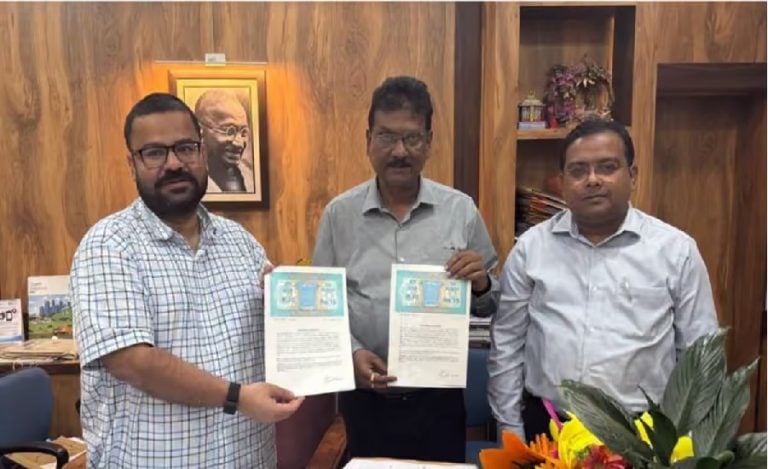
Topshrit Kapil Ashok, Secretary of the Department of Dairy, Fisheries and Animal Resources and Chairman-cum-Managing Director of COMFED, said the station would strengthen access to quality semen for livestock farmers.
He added that modern breeding technologies could help improve farmers’ productivity and income.
The project therefore goes beyond setting up a new production facility. By improving access to breeding services, it can support livestock owners who depend on dairy farming as a source of regular income.
Modern Breeding Technology for Bihar’s Dairy Sector
Lalan Singh said the project would provide dairy farmers with wider access to modern animal breeding technology after its completion.
The increased availability of high-quality female offspring could contribute to better livestock genetics and higher milk production in the state.
For Bihar, where dairy farming forms an important part of rural livelihoods, strengthening breeding infrastructure can play a role in improving productivity at the farm level. Better access to quality semen can also support ongoing efforts to improve indigenous and crossbred livestock populations.
Strengthening Rural Livelihoods
The frozen semen station is expected to become an important addition to Bihar’s livestock infrastructure. Its planned capacity of 50 lakh doses annually could help meet the breeding requirements of a large number of livestock farmers across the state.
The project also highlights the growing role of scientific breeding technologies in improving dairy productivity. If implemented effectively, it could contribute to better livestock quality, higher milk production and stronger rural incomes.
The proposed facility, backed by the National Gokul Mission and technical support from NDDB, is thus aimed at creating a stronger foundation for Bihar’s long-term livestock and dairy development.
Lakhisarai District Magistrate Shailendra Kumar, senior officials from NDDB and COMFED, and officials from the concerned departments were also present during the inspection.
Read Also: CBI Now Needs Bihar Govt Nod to Probe State Government Employees