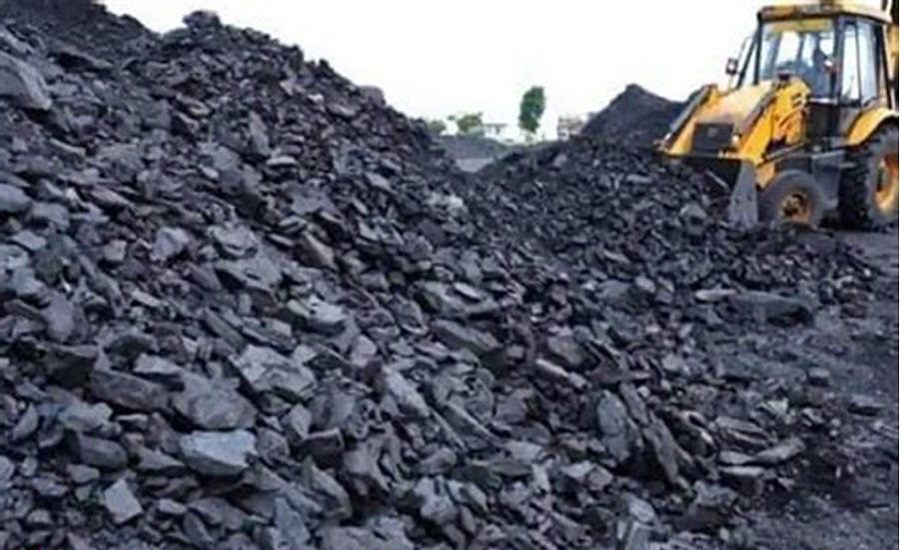
New Delhi: The Ministry of Coal has notified the Coal Exchange Rules, 2026, establishing a comprehensive regulatory framework for the transparent, fair and efficient trading of coal, lignite and their processed forms. The rules were notified on June 4, 2026, under Section 18B of the Mines and Minerals (Development and Regulation) Act, 1957.
The new framework aims to create a regulated online marketplace where buyers and sellers can trade coal and enter into delivery-based contracts while ensuring fair price discovery, efficient supply and strong market oversight.
The information was provided by Union Minister of State for Coal and Mines Satish Chandra Dubey in a written reply in the Lok Sabha.
Coal Controller Organisation to Regulate Coal Exchanges
Under the Coal Exchange Rules, 2026, the Coal Controller Organisation (CCO) has been designated as the authority responsible for registering and regulating Coal Exchanges.
The authority will oversee matters related to:
- Eligibility criteria for Coal Exchanges.
- Registration procedures.
- Fees and charges.
- Net worth requirements.
- Ownership structure.
- Governance framework.
- Operating procedures and regulatory guidelines.
The CCO will also have the power to evaluate, grant, renew and revoke registrations of Coal Exchanges. It can also approve exit schemes at the time of registration.
Coal Exchange to Operate as an Online Trading Platform
The rules define a Coal Exchange as an online platform where buyers and sellers of coal, lignite and processed forms of coal can transact, trade and enter into contracts.
The platform will be designed to facilitate:
- Coal supply contracts.
- Trading and transactions through such contracts.
- Fair and transparent price discovery.
- Neutral and competitive market operations.
- Efficient and timely supply of coal.
- Electronic trading and network-based communication.
The framework aims to create a robust and transparent ecosystem for coal trading while improving market participation.
Strong Regulatory Oversight to Prevent Market Manipulation
The Coal Exchange Rules provide the regulatory authority with extensive powers to monitor the market and prevent unfair trading practices.
The authority will oversee the market to detect and prevent:
- Market manipulation.
- Cartelisation.
- Insider trading.
- Abuse of dominant position.
In case of violations or non-compliance, the authority will have the power to intervene, issue interim orders and conduct inspections.
The market oversight mechanism is expected to strengthen transparency and protect the integrity of coal trading activities.
Bidding and Price Discovery Mechanism to Be Regulated
The authority will exercise administrative control over key aspects of Coal Exchange operations.
These include:
- Bidding mechanisms.
- Price discovery mechanisms.
- Contract specifications.
- Scheduling and delivery of transactions.
- Quality standards for delivered coal.
- Types of bids.
- Transaction fee ceilings.
- Bye-laws and operating procedures.
The price discovery process will be conducted through mechanisms designed to ensure fair, neutral, competitive and efficient prices.
The final price of coal will be adjusted according to the quality of the coal traded. The adjustment will be based on the price-adjustment mechanism specified in the contract and the quality certification provided by the designated coal sampling agency.
Settlement Guarantee Fund to Strengthen Market Security
Each Coal Exchange will operate a Settlement Guarantee Fund (SGF) to support the security and reliability of transactions.
The fund will be managed by an independent committee, with at least 50% of the fund required to be invested in safe and liquid instruments.
These may include:
- Fixed deposits with scheduled public sector banks.
- Treasury bills.
- Government securities.
The arrangement is intended to provide greater financial security and confidence to participants using the Coal Exchange.
Market Surveillance and IT Security Measures
The rules also require Coal Exchanges to establish robust market surveillance and technology infrastructure.
A Coal Exchange will have:
- A Market Surveillance Committee.
- A dedicated Surveillance Department.
- Automated audit trails for bids.
- Security audits of information technology systems.
- A disaster recovery site.
- An alternate trading facility for business continuity during emergencies.
These measures are designed to ensure continuous monitoring of transactions, strengthen cybersecurity and maintain uninterrupted operations.
Grievance Redressal Mechanism for Participants
The new regulatory framework also provides for a grievance redressal forum within the Coal Exchange ecosystem.
The regulatory authority may seek information from the Coal Exchange regarding the resolution of any specific grievance. This mechanism is expected to provide participants with a structured platform to raise and resolve concerns.
Coal Exchange Expected to Be Operationalised Within 12 Months
According to the Ministry of Coal, the estimated timeline for operationalisation of a regulated Coal Exchange is 12 months from the date of receipt of an application for registration.
The dedicated online application platform for Coal Exchange registration was opened on July 15, 2026.
The timeline provides a structured pathway for eligible entities seeking registration and aims to facilitate the establishment of regulated coal trading platforms.
Captive Miners and Commercial Miners Can Participate
The Coal Exchange will be open to a wide range of market participants.
Entities eligible to transact and enter into delivery-based contracts include:
- Captive coal miners.
- Commercial coal miners.
- Consumers in the non-regulated sector.
- Small and medium-sized consumers in the non-regulated sector.
Public sector coal companies and small and medium consumers in the non-regulated sector can also use the platform to increase their participation in the coal market.
New Rules Aim to Improve Coal Market Transparency
The Coal Exchange Rules, 2026 are expected to bring greater transparency and efficiency to coal trading by creating a regulated marketplace with clearly defined rules for bidding, price discovery, quality adjustment and delivery.With market surveillance mechanisms in place, the framework aims to prevent manipulation and abuse while ensuring fair competition.
The new system could also improve access to coal for a broader range of consumers and provide a more transparent mechanism for discovering market-based coal prices.
Read also: Ministry of Coal Invites Applications for ₹37,500 Crore Coal and Lignite Gasification Scheme