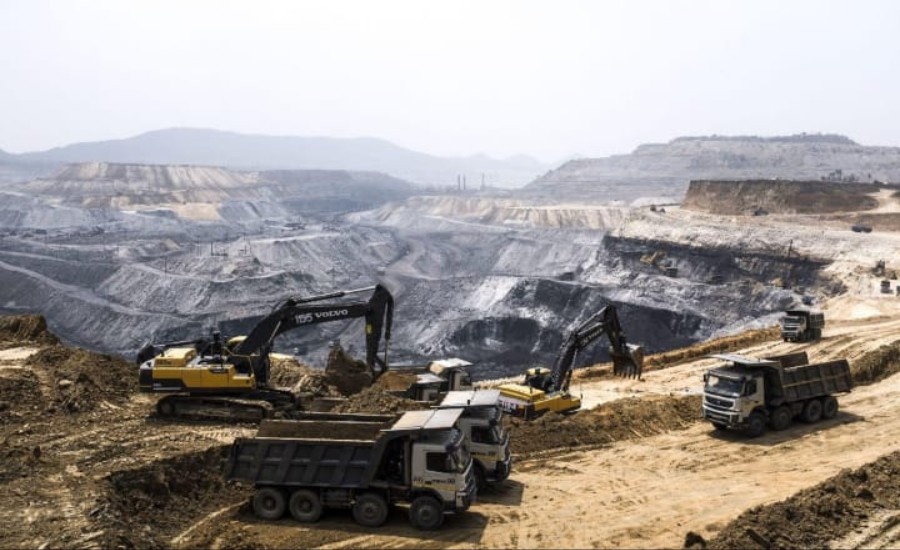
New Delhi: The Government has undertaken a series of structural and procedural reforms over the past five years to make India’s coal sector more transparent, efficient and technology-driven. The measures include the introduction of commercial coal mining, market-based allocation, simplified coal linkages, digital monitoring systems and clean energy initiatives aimed at strengthening domestic production and improving ease of doing business.
According to the Ministry of Coal, the reforms are intended to increase competition, modernise mining operations and support India’s long-term energy security while promoting sustainable mining practices.
Commercial Mining, Transparent Auctions Drive Sectoral Reforms
A key reform has been the transition from coal block allotment to allocation through open competitive auctions, along with the launch of commercial coal mining in 2020, allowing companies to sell coal without end-use restrictions.
The government has also introduced several policy measures to make coal allocation more transparent and market-oriented, including:
- Revenue-share model supported by the National Coal Index for market-linked pricing.
- Single Window Mode Agnostic (SWMA) Auction for Coal India Limited‘s non-linkage coal.
- Simplified SHAKTI Policy, enabling eligible consumers to procure coal under two streamlined allocation windows.
- CoalSETU Window, allowing auction-based coal linkages for the non-regulated sector without end-use restrictions.
Ease of Doing Business Measures Strengthened
The Ministry said several reforms have been introduced to accelerate mine development and simplify regulatory processes.
These include:
- Single Window Clearance System through the PARIVESH 2.0 portal.
- Notification of 44 Accredited Prospecting Agencies (APAs) to strengthen mineral exploration.
- Amendments to the Colliery Control Rules, allowing coal company boards to grant Mine Opening Permissions.
- Notification of coking coal as a Critical and Strategic Mineral under the MMDR Act to expedite environmental and forest clearances.
- Expansion of the Mine Developer and Operator (MDO) model and auction of abandoned mines through revenue-sharing.
- Acceptance of Insurance Surety Bonds as Performance Security to reduce dependence on bank guarantees.
Technology and Clean Coal Initiatives Gain Momentum
The government said technology adoption has become central to modernising India’s coal ecosystem.
Among the major initiatives are:
- Expansion of coal washing capacity under Mission Coking Coal to 58 million tonnes by FY2030.
- Launch of the Koyla Shakti Dashboard for real-time monitoring of coal production, dispatch and transportation.
- Nationwide deployment of the Khanan Prahari mobile app and CMSMS web application to report illegal mining.
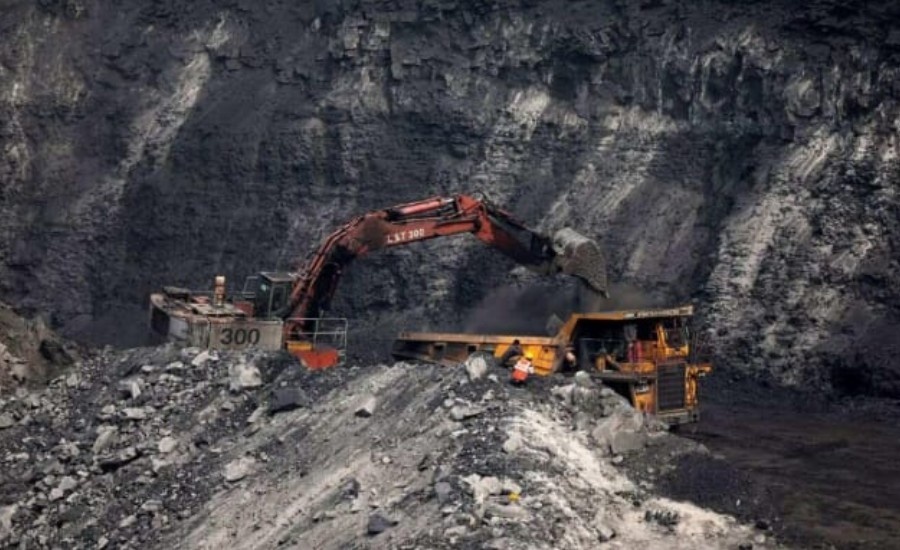
- AI-enabled command and control centres, RFID-enabled weighbridges, GPS-based vehicle tracking and drone-based mine monitoring by Coal India Limited.
- Coal gasification initiatives backed by schemes worth ₹8,500 crore and ₹37,500 crore, targeting 100 million tonnes of gasification capacity by 2030.
Renewable Energy, Logistics and Coal Exchange Receive Policy Push
The Ministry said Coal India Limited has adopted a phased renewable energy roadmap targeting 3 GW of renewable capacity by FY2027-28 and 9.5 GW by FY2029-30. As of now, 558 MW has already been installed across utility and captive projects.
To improve coal transportation, the government is implementing an Integrated Coal Logistics Plan covering rail, road, coastal shipping and inland waterways.
A total of 139 First Mile Connectivity (FMC) projects with a combined capacity of about 1,319 million tonnes have been taken up, of which 72 projects with a capacity of around 589 million tonnes have already been commissioned.
The government has also notified the Coal Exchange Rules, 2026, paving the way for a regulated online platform for trading coal and processed coal products through delivery-based contracts.
Domestic Coal Production Crosses One Billion Tonnes for Second Consecutive Year
The Ministry highlighted that India’s domestic coal production has increased from around 731 million tonnes in FY2019-20 to more than one billion tonnes for two consecutive years.
Production reached 1,047.52 million tonnes in FY2024-25 and 1,039 million tonnes in FY2025-26, reflecting the impact of policy reforms and capacity expansion.
The government also said environmental sustainability remains a priority through initiatives such as plantation and bio-reclamation, eco-park development, mine water utilisation and the adoption of blast-free mining technologies, including surface miners.
Read Also: SECL Signs ₹3,299 Crore Deal with JARPL–AT Consortium for 10-Year Rampur Batura Coal Mining Project