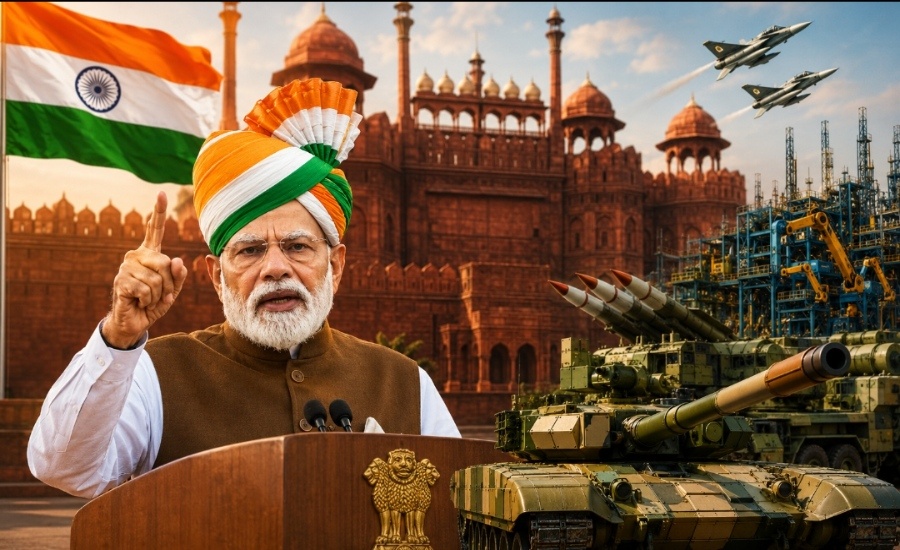
New Delhi: India defence production has grown nearly four times over the last 12 years, according to Prime Minister Narendra Modi’s Independence Day 2026 address from the Red Fort. Along with highlighting record defence manufacturing and exports, the Prime Minister called for India to become a global leader in hypersonic technology, drones, air defence systems, and advanced military innovation. The message was clear: India wants to move from being one of the world’s largest defence importers to becoming a major defence technology and export powerhouse.
The Big Announcement: India Defence Production Has Reached a New High
PM Modi said India’s defence production has increased nearly fourfold since 2014. Government data shows domestic defence production touched a record ₹1.78 lakh crore in FY 2025-26, a massive rise from around ₹46,000 crore a decade ago. Defence Minister Rajnath Singh described this growth as an “unprecedented transformation” in India’s defence sector.
Why India Defence Production Growth is Crucial
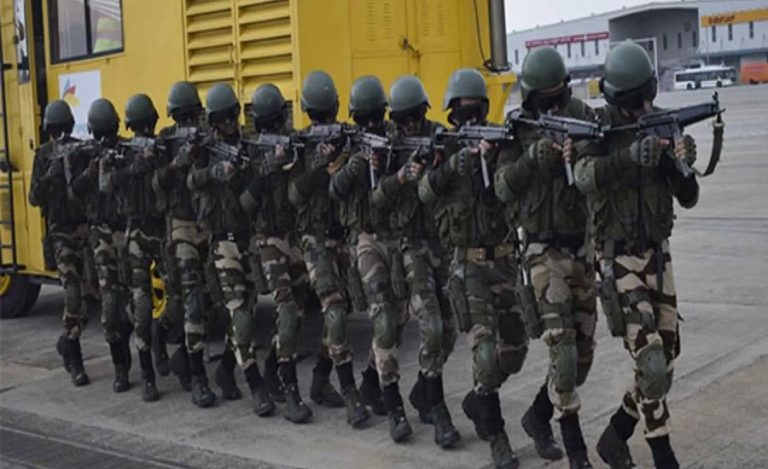
For decades, India depended heavily on foreign suppliers for fighter jets, missiles, artillery systems, engines, and military technology. Today, India is manufacturing a growing share of its military equipment domestically through initiatives such as Atmanirbhar Bharat and Make in India. This reduces dependence on imports, creates high-skilled jobs, and improves national security during crises.
Analysis: The Real Message Behind PM Modi’s Speech
The speech was not only about production numbers. It was a roadmap for India’s defence ambitions over the next two decades. PM Modi linked defence manufacturing with technology, innovation, exports, and strategic independence. Defence was presented as one of the seven pillars of the government’s “Shakti Ki Saptadhara” vision for Viksit Bharat 2047.
The government’s goal appears to be creating a complete defence ecosystem where India designs, develops, manufactures, and exports advanced military systems instead of buying them from abroad.
Why Hypersonic Technology Is a Big Deal
One of the most important parts of the speech was PM Modi’s call for India to lead in hypersonic defence technology. Hypersonic weapons travel at speeds above Mach 5 (five times the speed of sound) and are extremely difficult to detect and intercept. Only a small number of countries currently possess advanced hypersonic capabilities. India has already been working on hypersonic technologies through DRDO programmes and missile development projects.
What Could This Mean?
If India successfully develops operational hypersonic systems, it could:
- Strengthen strategic deterrence.
- Improve long-range strike capabilities.
- Reduce dependence on foreign technology.
- Increase India’s standing among major military powers.
Drones and Counter-Drone Systems: Learning from Modern Wars
PM Modi also emphasized drones and counter-drone systems. This reflects lessons from recent global conflicts, where drones have changed the nature of warfare.
Military planners worldwide are investing heavily in drone swarms, surveillance drones, attack drones, and anti-drone systems. India is also accelerating indigenous drone development and procurement.
Why It Matters
Future wars may rely as much on autonomous systems and artificial intelligence as on traditional tanks and fighter jets. India’s focus on drone technology suggests policymakers want to prepare for these emerging battlefield realities.
Sudarshan Chakra: India’s Next Air Defence Ambition
PM Modi mentioned the Sudarshan Chakra air defence initiative and said work is progressing rapidly. The project is expected to strengthen India’s ability to defend military bases, strategic assets, and civilian infrastructure from missiles, drones, and aerial attacks. It forms part of a broader effort to build indigenous multi-layered air defence capabilities.
Defence Exports Are Becoming a Success Story
One of the strongest indicators of India’s defence progress is exports. According to the Prime Minister, Indian military hardware is now reaching nearly 100 countries. Official figures show defence exports reached a record ₹38,424 crore in FY 2025-26.
Why Exports Matter
Export growth means:
- Global confidence in Indian defence products.
- Higher revenues for Indian defence companies.
- More private-sector participation.
- Stronger geopolitical influence.
Countries that export defence equipment often gain deeper strategic partnerships and greater diplomatic leverage.
India Defence Production: Key Challenges
Despite impressive growth, several challenges remain. India continues to depend on foreign suppliers for some advanced technologies, including aircraft engines, semiconductor components, sensors, and specialized military systems. Achieving full self-reliance will require sustained investment in research, testing, manufacturing, and talent development.
Another major challenge is reducing the time taken to develop and deploy advanced defence technologies.
Expert Take: A Shift from Buyer to Builder
The broader message from PM Modi’s speech is that India wants to transform from a defence buyer into a defence builder. The focus on hypersonic technology, drones, exports, manufacturing, and innovation suggests that the next phase of India’s defence strategy will be driven by advanced technologies rather than only larger budgets.
If execution matches ambition, the coming decade could see India emerge as one of the world’s most important defence manufacturing and technology hubs.
Read also: Rajnath Singh Announces ₹3 Lakh Crore Defence Production Goal After Operation Sindoor