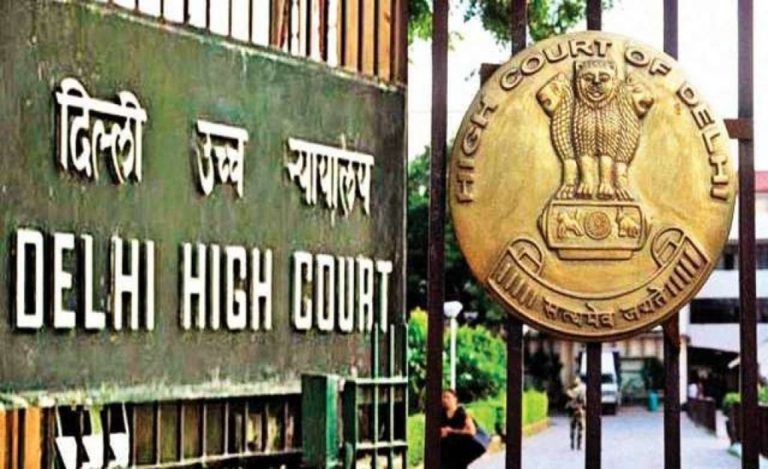
New Delhi: The Delhi High court observed that the purpose of the three-year LL.M. programme is to allow practicing lawyers to continue appearing before courts while pursuing higher legal education. The court made the observation while hearing a case involving a lawyer enrolled in Delhi University’s LL.M. programme. The ruling highlights the balance between professional legal practice and academic advancement.
Details of 3-Year LLM Course Lawyer Practice Rule
The Delhi High Court noted that the three-year LL.M. course is specially designed for legal professionals who wish to continue practicing law while pursuing a master’s degree.
The court observed that the structure of the programme allows advocates to remain engaged with court work without giving up their legal careers.
Lawyer Allowed To Appear In Semester Examination
During the hearing, the court permitted a lawyer to appear in his second-semester LL.M. examination at Delhi University. The issue arose because the lawyer had allegedly not fulfilled the mandatory attendance requirement prescribed by the university. The court examined the broader objective behind the three-year LL.M. programme while considering the matter.
Why The 3-Year LL.M. Course Is Different
Unlike traditional full-time postgraduate programmes, the three-year LL.M. course is intended for working professionals, especially practicing advocates. The programme recognizes that lawyers often need flexible academic opportunities while continuing their professional commitments in courts and tribunals.
3-Year LLM Course Lawyer Practice Rule: Court Highlights Importance Of Higher Legal Education
The High Court’s observations underline the importance of continuous learning in the legal profession. Advanced legal education helps lawyers develop specialized knowledge, improve research skills, and stay updated with changing laws and judicial developments.
Earlier Legal Position On Advocates Pursuing LL.M.
The issue of advocates pursuing LL.M. degrees while practicing law has been considered in previous cases as well. In an earlier judgment, the Delhi High Court observed that pursuing a master’s degree in law does not automatically amount to a break in legal practice. The court relied on a Bar Council of India resolution that permits practicing advocates to pursue LL.M. studies without suspending their enrolment.
Bar Council Of India’s Stand
The Bar Council of India has previously clarified that practicing advocates can join LL.M. courses as regular students without suspending their legal practice. This position has played an important role in protecting the academic and professional interests of lawyers seeking higher education.
Read also: Big Relief for Nurses: Delhi High Court Urges Nursing Council to Set Up Grievance Redressal System
FAQs
Yes. Earlier judicial observations and Bar Council of India resolutions indicate that advocates may continue practicing law while pursuing an LL.M. course.
The Delhi High Court observed that the purpose of the three-year LL.M. programme is to allow practicing lawyers to continue appearing before courts while pursuing a master’s degree.
The programme is designed to help working lawyers gain advanced legal education without leaving their professional practice.