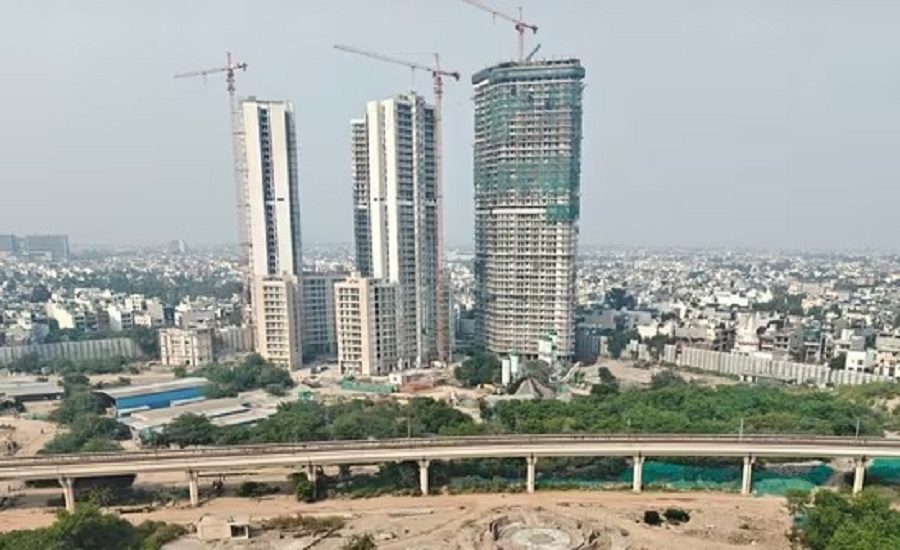
Delhi: Delhi is set for a major urban transformation as the Municipal Corporation of Delhi (MCD) has approved a proposal from the Delhi Development Authority (DDA) to declare 48 villages as urbanized. The decision is expected to accelerate planned development, improve civic infrastructure, and significantly raise property values across these regions.
Key Decision: 48 Villages Officially Marked for Urban Growth
The proposal, submitted by the DDA in February, has now received approval from the MCD. These 48 villages are spread across multiple districts of Delhi, including:
- Outer North Delhi
- North Delhi
- North-East Delhi
- North-West Delhi
- South Delhi
- South-West Delhi
- South-East Delhi
This move aims to integrate rapidly developing rural pockets into Delhi’s formal urban planning framework.
Read also: DDA to Expand Workforce by 60% with 1700 New Jobs to Speed Up Delhi’s Urban Development Projects
What Urbanization Means for These Villages
Once officially notified, these villages will come under structured urban governance. This includes planned infrastructure development and stricter regulatory oversight.
Improved Civic Infrastructure
With urban status, responsibility for development shifts to municipal authorities, enabling faster upgrades in:
- Roads and transport connectivity
- Sewer and drainage systems
- Drinking water supply
- Street lighting
- Waste management systems
- Public parks and green spaces
Stronger Development Planning and Regulation
According to MCD Standing Committee Chairperson Satya Sharma, the decision is not just administrative but a step toward visible on-ground development.
She noted that many of these villages have already taken on an urban character, making formal recognition essential for organized planning and execution of infrastructure projects.
The proposal will now move to the Municipal House for approval and then be forwarded to the Delhi government for final notification.
Major Benefits of Urbanization for Villages
Urbanization brings significant legal, financial, and infrastructural advantages for residents.
1. Freedom from DLR Act Restrictions
Once urbanized, these areas are no longer governed by the Delhi Land Reforms Act (DLR), allowing land to be used for residential and commercial purposes beyond agriculture.
2. Inclusion in Land Pooling Policy
Landowners become eligible under the Land Pooling Policy, which can result in developed land returns and higher land valuation.
3. Better Infrastructure Development
With municipal oversight, infrastructure development becomes more systematic and efficient.
4. Legal Construction Approvals
Residents gain access to approved layout plans and building permissions, ensuring legal construction of homes and commercial spaces.
5. Rise in Property Values
Urban classification typically leads to a sharp increase in real estate prices and improved access to bank loans.
6. Increased Economic Opportunities
New schools, markets, healthcare centers, and businesses are expected to boost employment and local economic activity.
List of Villages Included in Urbanization Plan
North Delhi Villages
Palla, Singhola, Bakoli, Hamidpur, Tajpur Kalan, Kadipur, Mungeshpur, Nizampur, Auchandi, Shahpur Garhi, Rasidpur, Tatesar
West Delhi Villages
Jhatikra, Kanganheri, Daulatpur, Rajpur Kalan, Ghumanhera, Rawta, Dhansa, Khaira, Issapur, Bakargarh, Galibpur, Mundela Kalan, Mundela Khurd, Surakhpur
South-West Delhi Villages
Chhawla, Bindapur, Dabri, Asalatpur Khawad, Rewla Khanpur, Jaffarpur, Badusarai, Daurala, Raghavpur, Shikarpur, Nankheri
Other Areas
Sabha Pur, Jagatpur, Badarpur Khadar, Khanpur Khani, Chilla
A Step Toward Delhi’s Future Urban Expansion
This decision marks a significant milestone in Delhi’s long-term urban planning strategy. By bringing these villages under a formal urban framework, authorities aim to ensure sustainable development, better infrastructure, and controlled land use in one of India’s fastest-growing metropolitan regions.