New Delhi: India BRICS exports 2030 could reach $200 billion by the end of this decade, according to a new assessment by industry body ASSOCHAM. The organization believes India has a major opportunity to expand trade with BRICS countries by increasing exports of electronics, chemicals, engineering goods, textiles, pharmaceuticals, and agricultural products.
The projection suggests that India’s exports to BRICS nations may grow from $96 billion in the last fiscal year to $200 billion by 2030, supported by stronger manufacturing capabilities, rising demand across emerging markets, and deeper South-South economic cooperation.
What ASSOCHAM Said
According to ASSOCHAM, India has significant untapped export potential within the BRICS grouping. The chamber expects India’s share in BRICS countries’ total imports to rise to around 4% by 2030 if trade cooperation and industrial competitiveness continue to improve.
Read also: Big Boost For Indian Marine Export: EU Opens Doors for Continued Agri and Marine Exports
ASSOCHAM highlighted that changing global supply chains and increasing demand among BRICS members create new opportunities for Indian exporters.
What Is BRICS
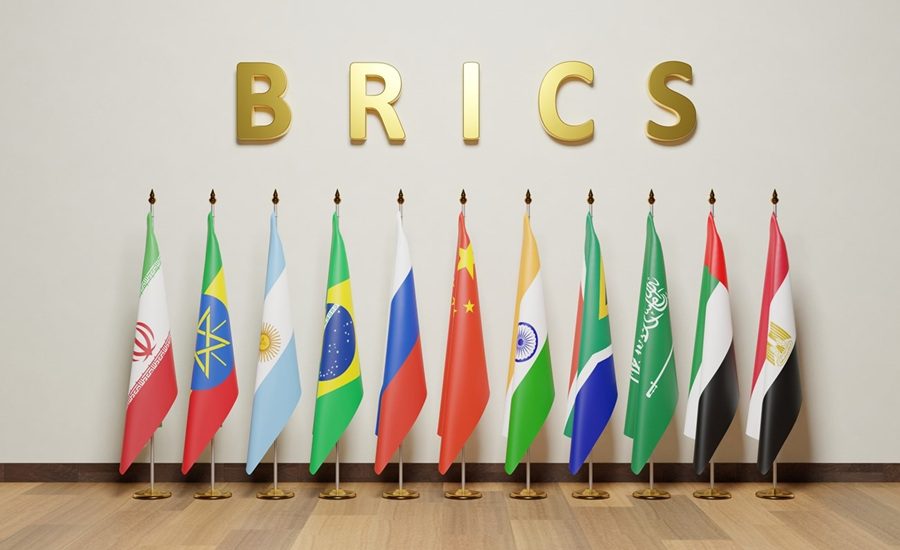
BRICS is a group of major emerging economies. The bloc currently includes 11 countries:
- Brazil
- Russia
- India
- China
- South Africa
- Egypt
- Ethiopia
- Iran
- Saudi Arabia
- United Arab Emirates
- Indonesia
These economies represent a large share of global population, trade, and economic output, making them important markets for Indian products.
India BRICS exports 2030: Key Export Sectors Identified by ASSOCHAM
ASSOCHAM has identified several sectors where India can significantly increase exports to BRICS countries:
Manufacturing and Industrial Products
- Electronic equipment
- Minerals and metal products
- Chemicals
- Engineering products
- Auto and auto components
Consumer and Traditional Exports
- Textiles
- Leather products
- Gems and jewellery
Pharmaceuticals and Agriculture
- Pharma products
- Rice
- Food products
- Marine products
These sectors are expected to benefit from growing demand across BRICS economies.
India’s Growing Trade with BRICS
According to ASSOCHAM, India’s total trade with BRICS countries stood at approximately $417 billion in FY26. The chamber believes this trade relationship can expand further as member countries increase economic cooperation and diversify supply chains.
The rise of sectors such as electronics manufacturing could play a major role in boosting exports. India’s electronics industry has become one of the country’s fastest-growing export sectors in recent years.
What is the Importance of India BRICS exports 2030
A rise in exports to BRICS countries could provide several benefits:
- Higher foreign exchange earnings
- More manufacturing jobs
- Stronger industrial growth
- Reduced dependence on a few export markets
- Better integration into global supply chains
It could also support India’s long-term goal of becoming a major global manufacturing and export hub.
India BRICS exports 2030: Expert Analysis and Insights
The ASSOCHAM projection is ambitious but achievable if India continues expanding its manufacturing base and improving export competitiveness. Three factors will be critical:
1. Electronics Manufacturing Boom
Electronics is rapidly becoming one of India’s strongest export sectors. Continued investment in semiconductor, mobile phone, and electronic component manufacturing can help India gain market share across BRICS economies.
2. Supply Chain Diversification
Many countries are looking to reduce dependence on a single manufacturing source. This creates an opportunity for India to emerge as a trusted alternative supplier in sectors such as engineering goods, chemicals, and pharmaceuticals.
3. Stronger South-South Cooperation
Trade among developing economies is growing faster than traditional trade routes. Closer cooperation within BRICS could provide Indian businesses easier market access and larger export opportunities.
Challenges Ahead
India will still need to address:
- Logistics costs
- Trade barriers
- Infrastructure gaps
- Competition from China and other manufacturing hubs
- Compliance with varying import regulations
If these challenges are managed effectively, the $200 billion export target could become a major milestone in India’s journey toward becoming a global export powerhouse.
Read also: India Exports Fresh Uttarakhand Litchi to Italy for the First Time, Marking New Trade Milestone