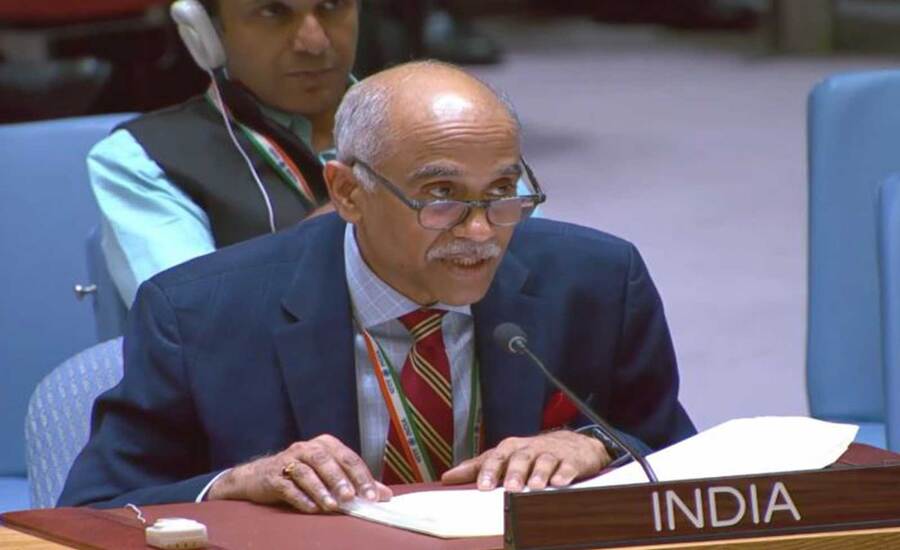
New Delhi: Women-led local governance in India gained global attention at the United Nations Security Council (UNSC) as India showcased its achievements in women empowerment, political participation, and leadership. Speaking at the UNSC Open Debate on Women, Peace and Security, India’s Permanent Representative to the UN, Ambassador Harish Parvathaneni, said that more than one million women are serving in local governance institutions across India.
India emphasized that empowering women politically, socially, and economically has become a key pillar of the country’s development strategy.
Women-Led Local Governance: Key Numbers
- Over 1 million women hold elected positions in local governance.
- Women occupy nearly one-third of seats in local self-government institutions.
- The Women’s Reservation Act 2023 extends reservation for women to Parliament and State Assemblies.
- Women’s participation in India’s armed forces continues to grow.
- Government programs are supporting women through education, healthcare, digital inclusion, and financial empowerment.
What Did India Say at the United Nations
Addressing the UNSC debate, Ambassador Harish Parvathaneni said India’s experience shows that sustainable development and lasting peace become possible when women are given equal opportunities.
According to India’s statement, women are increasingly becoming decision-makers rather than just beneficiaries of government schemes.
The ambassador highlighted that India’s governance model focuses on making women active contributors to economic growth, social progress, and community leadership.
Women-Led Local Governance: Over 1 Million Women Are Leading at the Grassroots Level
One of the strongest examples presented by India was the growing participation of women in local governance.
Through constitutional reservation policies, women have gained significant representation in village councils, municipal bodies, and local government institutions.
Today, more than one million women hold elected positions at the grassroots level, making India one of the world’s largest examples of women’s political participation.
Why Local Governance Matters
Local governance bodies make decisions related to:
- Roads and infrastructure
- Water supply
- Sanitation
- Education
- Healthcare
- Community welfare
Greater participation of women helps ensure that these issues receive attention at the community level.
Women’s Reservation Act 2023: A Major Step Forward
India also highlighted the Women’s Reservation Act 2023 (Nari Shakti Vandan Adhiniyam).
The law provides 33% reservation for women in the Lok Sabha and State Legislative Assemblies, aiming to increase female representation in higher levels of government.
Expected Benefits
- More women lawmakers
- Stronger gender-inclusive policymaking
- Better representation of women’s issues
- Increased political participation
Experts view the legislation as one of India’s most important political reforms for gender equality.
Women-Led Local Governance: India’s Strong Record of Women Leaders
India pointed to its history of women occupying some of the country’s highest constitutional offices. The country has had:
- A woman Prime Minister
- A woman President
- Women Speakers of Parliament
- Women Governors and Cabinet Ministers
India stated that these milestones reflect its commitment to creating opportunities for women leaders across sectors.
Women Are Taking Bigger Roles in India’s Armed Forces
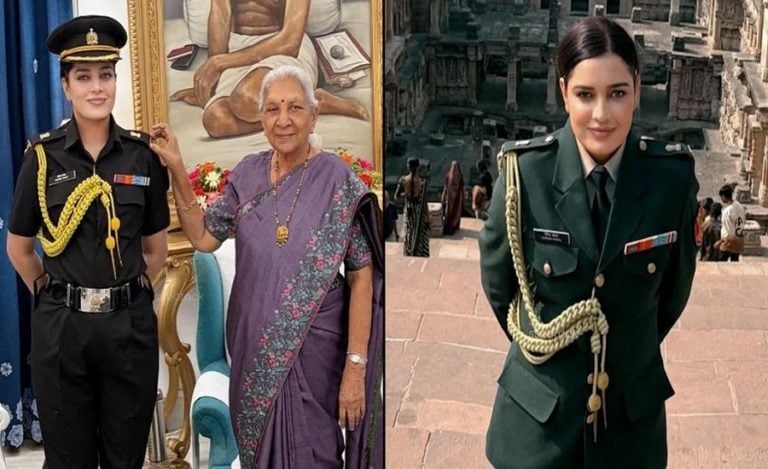
India also highlighted the growing presence of women in the armed forces. Over the last few years, women have gained access to more leadership roles and career opportunities in defense services.
The government believes greater participation of women in security institutions strengthens both national development and peacebuilding efforts.
How India Is Empowering Women
India’s women-led development model focuses on creating opportunities rather than dependency. Several government initiatives are supporting women through:
Digital Inclusion
- Access to digital services
- Online banking
- Digital identity systems
Financial Inclusion
- Bank accounts for women
- Direct Benefit Transfers (DBT)
- Access to credit and entrepreneurship programs
Education and Skill Development
- Scholarship programs
- Vocational training
- Employment-oriented skills
Health and Welfare
- Maternal healthcare
- Nutrition programs
- Public health services
Officials say these efforts are helping women become financially independent and socially empowered.
Why Women-Led Local Governance Is Important
Women-led development goes beyond traditional welfare programs. It means women actively participate in:
- Governance
- Economic decision-making
- Public administration
- Peacebuilding
- Community leadership
Studies worldwide show that greater representation of women often leads to:
- Better governance
- Increased transparency
- Improved public services
- Stronger community engagement
- More inclusive economic growth
India believes this approach can serve as a model for sustainable and inclusive development globally.
Women-Led Local Governance in India: Global Significance
India’s statement at the UNSC comes at a time when countries around the world are working to increase women’s participation in leadership and decision-making.
By highlighting its achievements, India positioned itself as a strong advocate for gender equality, women’s political empowerment, and inclusive governance on the global stage.
The country’s experience demonstrates how empowering women at every level—from villages to national institutions—can contribute to stronger democracies and long-term development.