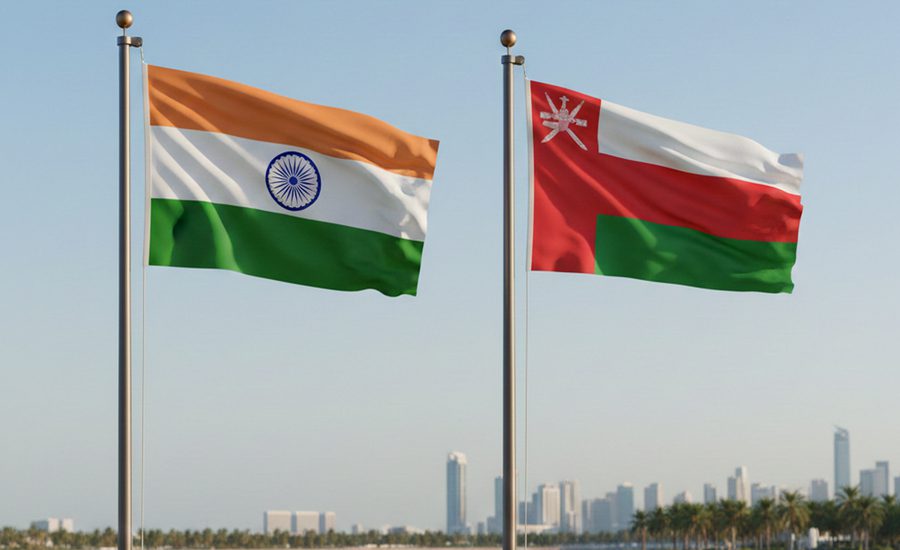
New Delhi: The India-Oman CEPA is expected to come into effect from June 1, 2026, giving Indian exporters major relief through near-zero import duties in Oman.
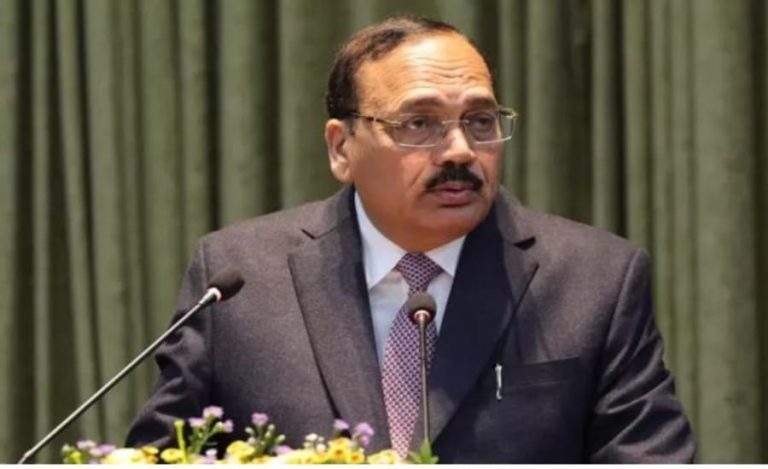
The agreement, officially called the India-Oman Comprehensive Economic Partnership Agreement (CEPA), can help Indian goods become cheaper and more competitive in the Gulf market. Commerce Minister Piyush Goyal recently indicated that both countries are moving toward implementation of the pact.
What Is the India-Oman CEPA?
India and Oman signed the CEPA agreement in December 2025 to increase trade, investment, and business cooperation between the two countries. Oman reportedly ratified the deal earlier in 2026 through a Royal Decree.
Read also: Indian Navy’s INS Sudarshini Makes Landmark Oman Port Call Under Lokayan 26 Mission
According to official government documents, Oman will provide duty-free market access on more than 98% of its tariff lines, covering nearly 99.38% of India’s exports by value.
Key Highlights of the India-Oman CEPA
- Nearly 99% of Indian exports may get zero-duty access in Oman.
- The agreement may start from June 1, 2026.
- Indian exporters can save up to 5% import duty on many products.
- Oman is India’s second CEPA partner in the Gulf after the United Arab Emirates.
- Oman’s market imports goods worth over $28 billion annually.
- Bilateral trade between India and Oman crossed around $10.5 billion in FY 2024-25.
India-Oman CEPA: Which Indian Sectors Will Benefit?
The agreement is expected to support many Indian industries, especially export-focused sectors.
Major Beneficiary Sectors
- Engineering goods
- Pharmaceuticals
- Textiles
- Gems and jewellery
- Marine products
- Agriculture and processed food
- Plastics and chemicals
- Automobiles and auto parts
Official documents from India’s Ministry of Commerce say engineering exports to Oman alone could rise sharply by 2030 because of tariff removal and better market access.
How Will India Benefit?
The agreement can help India in several ways:
- Increase exports to Gulf countries
- Reduce dependence on uncertain global markets
- Improve opportunities for MSMEs
- Strengthen India’s presence in West Asia
- Boost employment in export sectors
Experts also believe the deal may improve India’s supply-chain position in the Middle East region.
What Will Oman Get?
India has also agreed to reduce tariffs on selected Omani goods. However, India has protected sensitive sectors like:
- Dairy
- Edible oils
- Rubber
- Footwear
- Petroleum-based products
- Some agricultural products
India has reportedly offered tariff liberalisation on around 77.79% of tariff lines, covering nearly 94.81% of imports from Oman.
Why India-Oman CEPA Matters for India
The India-Oman CEPA comes at a time when India is aggressively expanding its global trade network. The government is also working on trade agreements with countries and blocs including the UK, EU, GCC, and Israel.
Trade experts say Gulf nations are becoming strategically important for India because of:
- Energy security
- Logistics routes
- Export growth
- Indian diaspora presence
- Investment partnerships