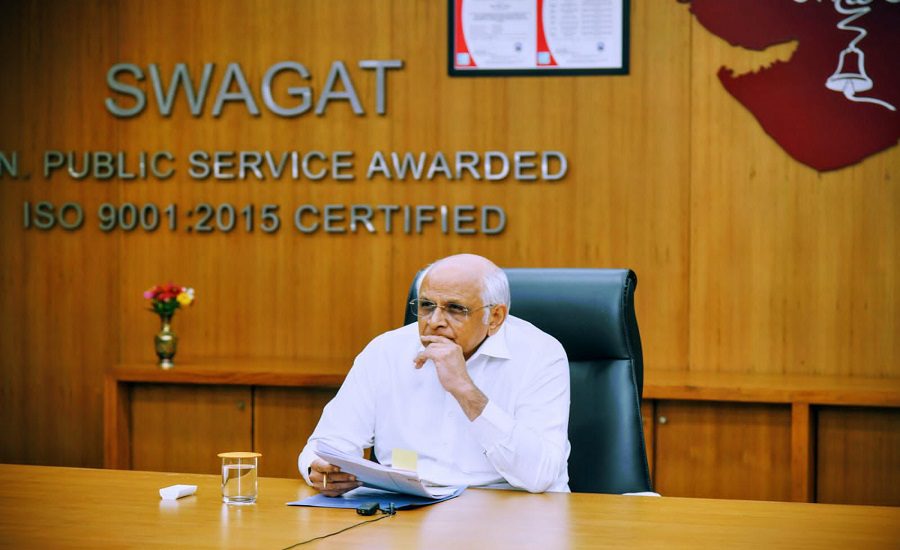
Gandhinagar: Gujarat Chief Minister Bhupendra Patel has directed district administrations to ensure timely, transparent, and fair resolution of public grievances received under the State SWAGAT programme, reinforcing the government’s focus on citizen-centric governance and accountability.
The Chief Minister issued these instructions during the May 2026 State-level SWAGAT online public grievance redressal session, where he personally reviewed representations submitted by citizens and farmers across the state.
Over 4,000 Grievances Forwarded for Action Under SWAGAT
According to official data presented during the programme, a total of 4,020 representations were received through State, District, and Taluka SWAGAT systems and forwarded to the concerned departments for necessary action.
Out of these, more than 215 applicants were present in person at the Public Relations Unit of the Chief Minister’s Office in Gandhinagar to submit or explain their grievances directly.
The programme is part of the broader SWAGAT Public Grievance Redressal Programme Gujarat initiative, designed to ensure faster resolution of citizen issues through digital and administrative coordination.
CM Emphasises Time-Bound and Transparent Governance
Chief Minister Bhupendra Patel stressed that eligible works should be completed immediately under existing rules, while applicants whose requests cannot be processed must be informed clearly and promptly.
He further directed officials to avoid unnecessary delays and ensure citizens are not forced to make repeated visits to government offices, highlighting the importance of administrative efficiency and transparency.
Strict Action Ordered Against Encroachment on Rural Roads
A key issue raised during the session involved farmers from Junagadh, Bhavnagar, and Gir Somnath districts complaining about illegal encroachments on access roads to agricultural fields.
Taking serious note, the Chief Minister instructed district administrations and police authorities to remove encroachments and ensure free movement on public roads.
He also directed the police to act firmly against anti-social elements involved in such activities, ensuring safety and accessibility for farmers transporting agricultural goods and equipment.
Land Record and Revenue Issues Addressed
Several land-related grievances were also reviewed:
- Botad district case: The CM instructed officials to resolve a mutation and inheritance-related issue without burdening the applicant with unnecessary stamp duty arising from administrative errors.
- Ahmedabad district re-survey issue: Farmers reported that 7/12 land records had become inaccessible after a re-survey. The Chief Minister ordered immediate corrective action and directed officials to rectify errors in the updated records.
He also noted that such issues should be resolved at the local level without delay.
Municipal and Property Permission Delays Resolved
In another case from Vadodara district, the Chief Minister instructed authorities to verify a certified copy presented by an applicant and proceed with necessary action as per rules.
Similarly, in Aravalli district, where villages were merged into municipal limits, delays in building permission approvals due to pending development plan sanctions were flagged. The CM directed municipal authorities to complete procedural approvals without delay and expedite construction permissions.
Senior Officials and District Collectors Participate Virtually
The session was attended by senior state officials, including Principal Secretary to the Chief Minister Sanjeev Kumar, along with other top bureaucrats and departmental secretaries.
District Collectors and relevant officers joined the meeting via video conferencing and provided updates on grievance status and implementation progress.
Strengthening Citizen Trust Through SWAGAT
The May 2026 SWAGAT session reaffirmed Gujarat government’s focus on responsive governance, with Chief Minister Bhupendra Patel emphasizing swift grievance resolution, strict administrative accountability, and farmer-friendly policy execution.
The directives issued during the session are expected to further streamline grievance redressal mechanisms and strengthen public trust in state governance systems.