Gandhinagar: Gujarat’s famous traditional spice products Unjha Jeera (cumin) and Unjha Saunf (fennel) have received the prestigious Geographical Indication (GI) Tag from the GI Registry of the Government of India.
The recognition is a major boost for Gujarat’s agricultural sector as it will provide these products with an official geographical identity, strengthen their brand value, and open new opportunities in domestic and international markets.
The achievement aligns with Prime Minister Narendra Modi’s vision of ‘Vocal for Local’ and ‘Local to Global’, under the leadership of Gujarat Chief Minister Bhupendra Patel, to promote traditional Indian products on the global platform.
Unjha Jeera and Fennel Get Global Recognition Through GI Tag
The GI tag will establish Unjha Jeera and Unjha Saunf as certified products linked to their specific geographical origin.
The recognition will help protect the authenticity and unique qualities of these traditional agricultural products while preventing imitation and misuse of their names.
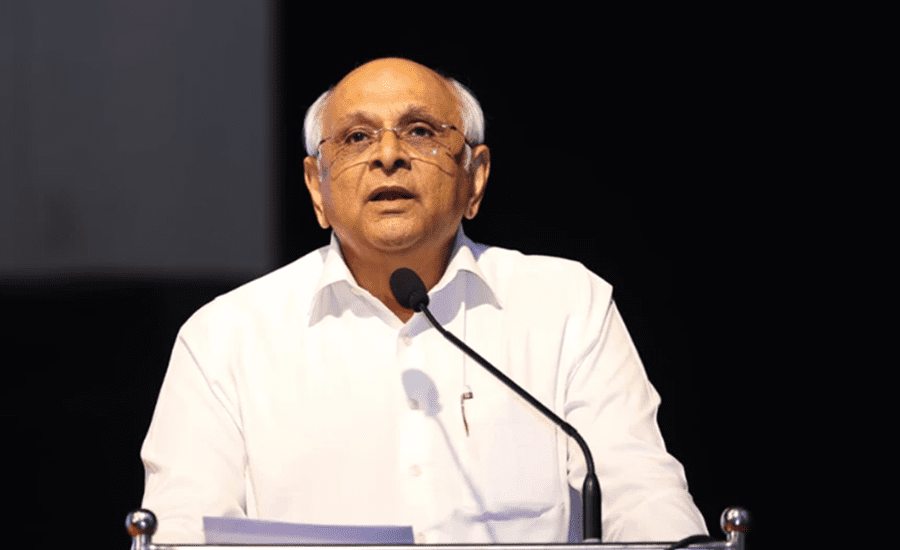
Chief Minister Bhupendra Patel said that the GI tag is not only a certification but also a recognition of:
- The hard work of farmers
- Quality agricultural production
- Trust of traders
- Rich farming traditions of Unjha
He added that the recognition will strengthen the global reputation of Gujarat’s agricultural products.
Read also: Gujarat CM Bhupendra Patel Announces Free Land Support for 9 New Municipal Corporations
GI Tag to Improve Market Value and Export Opportunities
A Geographical Indication (GI) Tag is granted to products whose quality, reputation, or unique characteristics are associated with a particular geographical region.
The certification is issued under the Geographical Indications of Goods (Registration and Protection) Act, 1999.
After receiving the GI tag, Unjha Jeera and Unjha Saunf are expected to gain:
- Greater credibility in domestic and international markets
- Better price opportunities for farmers
- Stronger export potential
- Protection against counterfeit products
Experts believe GI-tagged products can receive a higher market value compared to ordinary products, benefiting farmers and strengthening the local agricultural economy.
Multiple Organisations Contributed to GI Tag Achievement
The process of securing the GI tag for Unjha Jeera and Unjha Saunf involved coordinated efforts from several organisations.
Key contributors include:
- Agricultural Produce Market Committee (APMC), Unjha
- Government of India
- Gujarat Government’s Department of Horticulture and Farmer Welfare
- Sardarkrushinagar Dantiwada Agricultural University (SDAU)
- Entrepreneurship Development Institute of India (EDII), Gujarat
The achievement reflects successful cooperation between farmers, agricultural scientists, traders, and government institutions.
APMC Unjha Calls GI Tag a Historic Achievement
APMC Unjha Chairman Dinesh Patel described the GI tag recognition as a historic milestone for farmers and the spice trade of Unjha.
He said the certification will improve the authenticity and market confidence of both products.
According to him, the GI tag will help increase:
- Global demand for Unjha spices
- Export opportunities
- Value addition activities
- Better returns for farmers
Gujarat Strengthens Presence in GI-Tagged Agricultural Products
With the addition of Unjha Jeera and Unjha Saunf, Gujarat’s list of GI-tagged agricultural products has become stronger.
The state already has several recognised products, including:
- Gir Kesar Mango
- Bhalia Wheat
- Kutchi Kharek (Dates)
- Amalsad Chikoo
Currently, more than 400 products are registered under India’s GI Registry.
The inclusion of Unjha’s famous spices will further enhance Gujarat’s agricultural identity and improve opportunities for farmers in global markets.
GI Tag Supports Gujarat’s ‘Local to Global’ Vision
The recognition of Unjha Jeera and Unjha Saunf marks an important step towards promoting Gujarat’s traditional agricultural products worldwide.
The state government believes the GI tag will help farmers achieve better market access, increase income opportunities, and strengthen Gujarat’s position in the global agricultural trade.