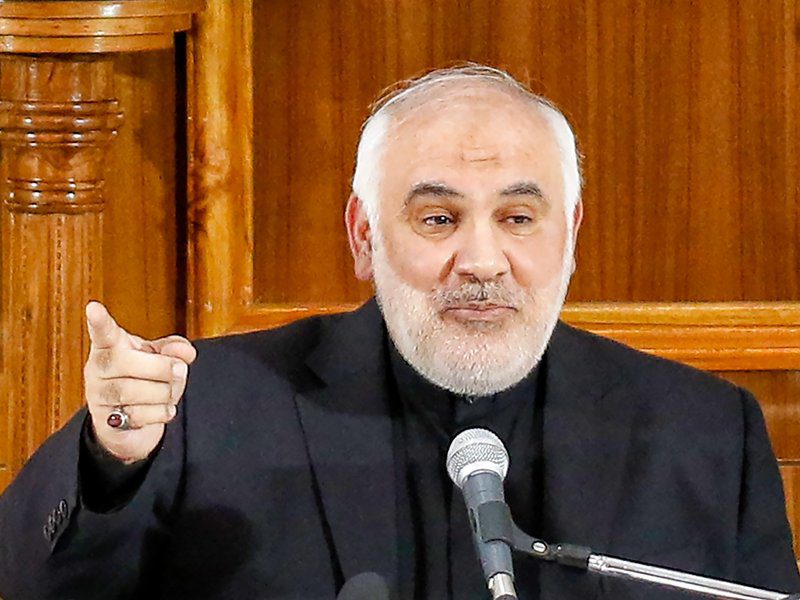
New Delhi: India has lodged a strong diplomatic protest after two Indian-flagged vessels came under firing in the strategically vital Strait of Hormuz, prompting the Ministry of External Affairs (MEA) to summon Iran’s Ambassador Dr Mohammad Fathali.
During a meeting held on Saturday evening, India conveyed its “deep concern” over the incident and stressed the importance of ensuring the safety of merchant shipping and Indian mariners.
Foreign Secretary Raises Concern Over Firing Incident
According to an official statement, the Iranian envoy was called in for a meeting with India’s Foreign Secretary, who highlighted the seriousness of the firing incident involving two Indian-flagged ships earlier in the day.
The Foreign Secretary:
- Emphasised India’s priority on safe passage of merchant vessels
- Recalled Iran’s past role in facilitating safe transit of India-bound ships
- Urged Iran to resume smooth passage through the Strait at the earliest
The Iranian Ambassador assured that India’s concerns would be conveyed to authorities in Tehran.
What Happened in the Strait of Hormuz?
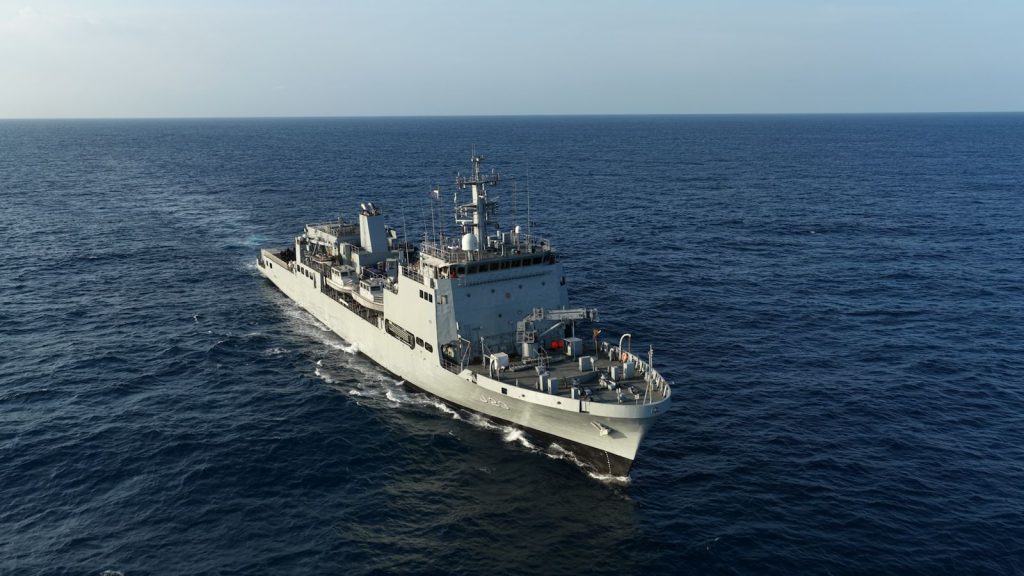
Sources indicated that Iranian gunboats opened fire on two Indian-flagged vessels, identified as:
- Jag Arnav (reportedly targeted)
- Sanmar Herald (nearby but not directly hit)
Key details:
- No injuries were reported
- No structural damage to the ships
- Both vessels were forced to turn back after the incident
- The firing occurred northeast of Oman in a crucial oil shipping corridor
One of the vessels is a Very Large Crude Carrier (VLCC) – massive tankers used for long-distance transportation of crude oil.
Strategic Importance of the Strait
The Strait of Hormuz is one of the world’s most critical maritime chokepoints, handling a significant portion of global oil trade.
Any disruption in this region has:
- Global economic implications
- Direct impact on India’s energy security
- Potential to escalate geopolitical tensions
Backdrop: Rising Tensions and Naval Blockade
The incident comes amid heightened tensions in the region:
- Iran has signalled fluctuating control over the Strait
- The US naval blockade of Iranian ports has added pressure
- Confusion and “fog of war” conditions have reportedly led to operational miscalculations
Earlier, Iran had stated the Strait was open for Indian vessels, even as it warned of economic consequences from ongoing tensions.
Iran’s Earlier Assurance to India
In a recent interaction, Ambassador Dr Mohammad Fathali had stated that:
- The Strait of Hormuz would remain open for Indian ships
- Iran considers India among its friendly nations
- Direct government-level communication was ongoing to ensure safe passage
Despite these assurances, the latest firing incident has raised fresh concerns in New Delhi.
Oil Trade Continues Despite Tensions
Even amid the crisis, reports suggest:
- India has continued receiving oil shipments from Iran
- At least three shipments have arrived in the past week
- Total imports reportedly reached around 6 million barrels
This underscores the strategic and economic importance of maintaining safe maritime routes.
India’s Stand: Safety First
India has reiterated that:
- Safety of merchant vessels and crew is non-negotiable
- Smooth functioning of global shipping lanes must be ensured
- Diplomatic channels will remain active to prevent escalation
Read also: Central Govt Employees Get 2% DA Hike: New Pay Structure, Arrears & Benefits Explained