https://indianmasterminds.com

ADVERTISEMENT
ADVERTISEMENT

Inside the Shahpur Kandi Dam: The Project That Will Transform Punjab Irrigation and India-Pakistan Water Dynamics

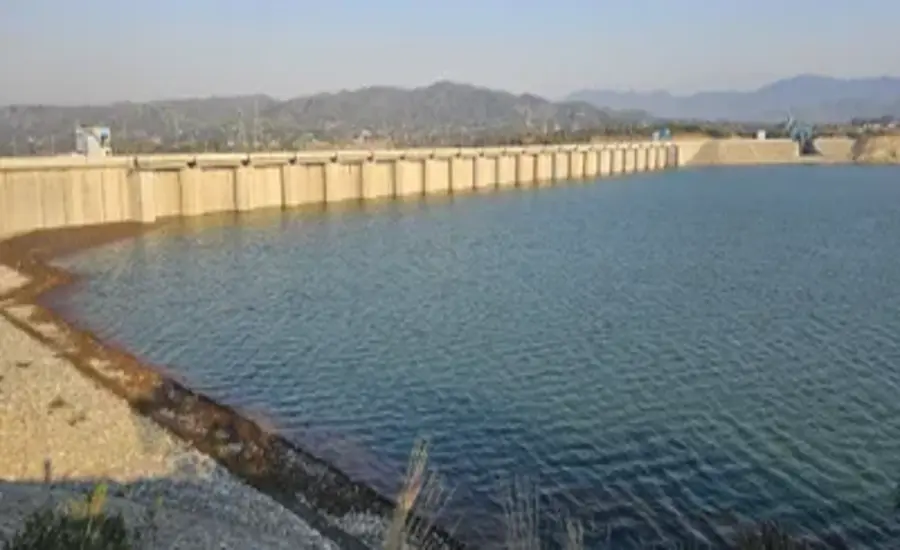
The Shahpur Kandi Dam project in Punjab nears completion, enabling India to capture and use surplus Ravi River water that once flowed into Pakistan.
Shahpur Kandi Dam Project
Indian Masterminds Stories

New Delhi: India is on the verge of a major water-resource milestone as the Shahpur Kandi Dam on the Ravi River nears completion, enabling the country to fully utilise its share of the river’s waters under the Indus Waters Treaty. The project’s advancement means surplus Ravi waters — previously flowing downstream into Pakistan — will now be stored and redirected for irrigation and power generation within India’s Punjab and Jammu & Kashmir regions, significantly altering longstanding water distribution patterns between the two countries.

What Is the Shahpur Kandi Dam Project?

The Shahpur Kandi Dam is being built on the Ravi River in Pathankot district, Punjab. It stands downstream of the Ranjit Sagar Dam and will work in tandem with it to regulate water flow. Despite being authorised under the Indus Waters Treaty of 1960, India lacked the infrastructure to capture and store excess Ravi water, leading much of it to flow into Pakistan.

Read also: Water, War, and Wounds: Sinha’s Riveting Dive into the Indus Treaty

The dam will:

  • Store up to 11,500 cusecs of water previously lost downstream.
  • Support irrigation for thousands of hectares in Punjab and Jammu & Kashmir.
  • Potentially host hydroelectric facilities to bolster clean energy.

Treaty Rights & Water Allocation Under the Indus Waters Treaty

Under the 1960 Indus Waters Treaty, India has exclusive rights over the Eastern rivers — Ravi, Beas, and Sutlej — while Pakistan controls the Western rivers — Indus, Jhelum, and Chenab. India’s rights allow it to use water for irrigation, storage, and hydropower purposes without requiring Pakistan’s consent.

Historically, India couldn’t fully harness Ravi water due to inadequate diversion infrastructure. The Shahpur Kandi project addresses that gap.

Importance of Shahpur Kandi Dam Project Completion 

The dam’s completion — expected by March 31, 2026 — marks a critical shift. Officials say the infrastructure will:

  • Prevent previously unused water from flowing into Pakistan.
  • Improve water security for drought-prone districts such as Kathua and Samba in Jammu & Kashmir.
  • Boost irrigation in both states, supporting agriculture and rural livelihoods.

Strategic and Agricultural Impacts

For India, the dam maximises use of treaty-allocated water and strengthens domestic water management. It also enhances renewable energy potential through hydropower options.

For Pakistan, the project may reduce water availability during hot summer months because surplus flows into the country will significantly decline — a development analysts say could stress agricultural and urban water systems.

Read also: Sir Creek Conflict: Why India’s Latest Warning to Pakistan Is a Serious Red Line


Indian Masterminds Stories
ADVERTISEMENT
ADVERTISEMENT
Related Stories
ADVERTISEMENT
ADVERTISEMENT
NEWS
vivek saxena
Haryana IFS Officer Dr Vivek Saxena Chosen as UNESCO World Heritage Nomination Reviewer
Uttar Pradesh govt
UP Mandates Jobs Within 90 Days of Skill Training, Defaulting Firms Face Blacklisting
Yogi Adityanath
CM Yogi Launches Rs. 758-Crore Development Projects in Gorakhpur, Inaugurates Bhathat–Bansthan Four-Lane Road
jharkhand Government
Jharkhand Seeks AIIMS for Ranchi, 400 Ambulances to Boost Healthcare Infrastructure
ChhattisgarhGovt_resized
Chhattisgarh Transfers Nearly Two Dozen IPS Officers in Major Police Leadership Reshuffle
eSARAS
Digital India at 11: eSaras Connects Rural Women to Nationwide Markets
mp cm
Madhya Pradesh to Launch Digital Content Creator Awards, Announces CM Mohan Yadav
upsc news
Manidhaneyam IAS Academy Awards Rs. 15,000 Scholarships to 300 UPSC Aspirants
ADVERTISEMENT
ADVERTISEMENT
Videos
Pulkit Khare
How Uttar Pradesh Is Preparing Its Youth for the AI Revolution
Haryana Leads India's First AI-Powered Bird Census
Divyanshu patel
How A Single-Minded Devotion of Divyanshu Patel Transformed Moradabad
ADVERTISEMENT
UPSC Stories
bhoopendra
Bhoopendra Dhakad: Raised in a Farming Family, Educated at IIT, Chosen by UPSC
IIT Kanpur graduate Bhoopendra Dhakad secured UPSC CSE 2025 AIR 494 after four attempts, overcoming setbacks...
ChatGPTImageJul62026at03_08_06P-2
Balancing Job & Dreams: How Jasmeet Kaur Turned Her Father's Dream into Reality with Rank 1 in UK PCS-2024
Jasmeet Kaur secured Rank 1 in the UKPSC-2024 examination after balancing her duties as a District Social...
Rakesh R UPSC IFS 2025
How Tuticorin's Floods Inspired Rakesh R to Join Indian Forest Service 
Discover how UPSC IFS 2025 AIR 85 Rakesh R transformed childhood experiences of Tuticorin floods into...
CSR NEWS
SECL Ke Sushrut Gazette Notification
SECL’s ‘SECL Ke Sushrut’ Becomes First Coal PSU CSR Scheme to Get Gazette Notification
Ministry of Coal enables Aadhaar authentication for SECL’s flagship NEET coaching initiative, enhancing...
NMDC
NMDC Develops Modern Community Infrastructure in Panna Under CSR Programme for Rural Growth
New Facilities Promote Fitness, Sanitation and Inclusive Public Spaces, Strengthening Sustainable Development...
REC (CSR Initiative)
REC Limited Empowers Women in West Bengal with 600 Sewing Machines Under CSR Initiative
New programme in Bangaon aims to promote self-employment, financial independence, and sustainable livelihoods...
ADVERTISEMENT
ADVERTISEMENT
ADVERTISEMENT
Latest
trinetra
‘Trinetra’ System at Mahakal Sets Benchmark for Crowd Management
vivek saxena
Haryana IFS Officer Dr Vivek Saxena Chosen as UNESCO World Heritage Nomination Reviewer
ADVERTISEMENT
ADVERTISEMENT
ADVERTISEMENT
ADVERTISEMENT
ADVERTISEMENT
ADVERTISEMENT
ADVERTISEMENT
Videos
Pulkit Khare
Haryana Leads India's First AI-Powered Bird Census
Divyanshu patel
ADVERTISEMENT
ADVERTISEMENT