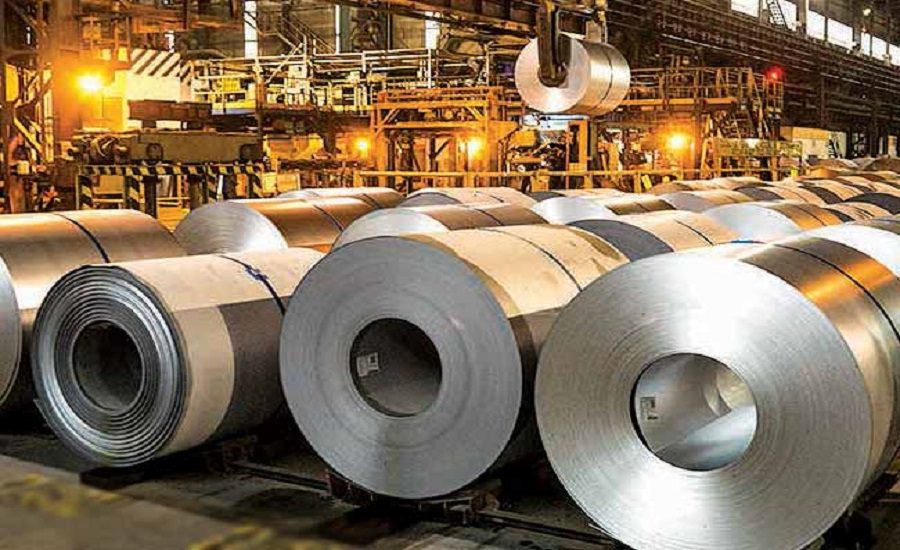
New Delhi: Jindal Stainless Limited (JSL) reported a robust financial performance for FY26 and Q4, driven by steady domestic demand, improved product mix, and enhanced operational efficiencies, even as global uncertainties persisted.
Strong Full-Year Performance Across Key Metrics
For the full financial year ended March 31, 2026, the company delivered solid growth on both standalone and consolidated bases.
Standalone Performance (FY26):
- Finished goods sales volume: 25.65 lakh tonnes (up 8.1% YoY)
- Net revenue: ₹42,680 crore (up 6.2%)
- EBITDA: ₹4,322 crore (up 10.7%)
- Profit After Tax (PAT): ₹2,843 crore (up 4.9%)
Consolidated Performance (FY26):
- Net revenue: ₹42,955 crore (up 9.3%)
- EBITDA: ₹5,560 crore (up 19.2%)
- PAT: ₹3,185 crore (up 27.4%)
The stronger consolidated numbers reflect improved margins, better cost efficiencies, and a more value-added product mix.
Read also: NMDC Posts 16% Rise in Iron Ore Production in April FY27, Records Strongest-Ever Start to Fiscal Year
Q4 FY26: Margins Expand Despite Mixed Volume Trends
In the fourth quarter, performance remained stable on volumes but showed significant margin expansion, especially on a consolidated basis.
Standalone Q4:
- Sales volume: 6.41 lakh tonnes (down 0.1% YoY)
- Revenue: ₹10,826 crore (up 0.4%)
- EBITDA: ₹1,111 crore (up 24.8%)
- PAT: ₹892 crore (down 3.6%)
Consolidated Q4:
- Revenue: ₹11,337 crore (up 11.2%)
- EBITDA: ₹1,455 crore (up 37.1%)
- PAT: ₹834 crore (up 41.4%)
The Q4 results highlight the company’s ability to enhance profitability despite flat volumes, aided by cost optimisation and improved product mix.
Balance Sheet Strengthens, Dividend Announced
Jindal Stainless Limited also reported a healthier balance sheet:
- Net debt reduced to ₹3,040 crore
- Net debt-to-equity ratio improved to 0.15x (from 0.24x last year)
The Board recommended a final dividend of ₹3 per share, taking the total dividend to ₹4 per equity share (200%)of face value ₹2, subject to shareholder approval.
Demand Trends: Strong Domestic Push, Export Resilience
The company’s performance was supported by robust domestic demand across sectors such as:
- Automotive
- Pipes & tubes
- Metro rail projects
- Elevators
- White goods
The adoption of stainless steel is also rising in infrastructure, electric vehicles, defence, and real estate, driven by its durability, corrosion resistance, and recyclability.
On the global front, exports remained resilient despite geopolitical tensions and tariff uncertainties, with expanding presence in:
- Japan
- South Korea
- Taiwan
- Germany
Challenges: Cheap Imports and Energy Disruptions
Despite strong performance, JSL flagged key concerns:
- Rising imports of low-cost, substandard stainless steel from China and Vietnam, often routed via ASEAN nations
- Energy supply constraints due to geopolitical disruptions in West Asia, impacting sourcing of LPG and natural gas
These factors continue to pose challenges to domestic manufacturers.
Management Commentary: Focus on Growth and Efficiency
Commenting on the results, Managing Director Abhyuday Jindal said FY26 marked a year of resilient growth and strategic execution.
He emphasised that the company remains focused on:
- Capacity expansion
- Downstream integration
- Cost optimisation
JSL is targeting a sales volume of 3.5 million tonnes per annum by FY29.
He also highlighted the need for a robust policy framework to address unfair imports and safeguard domestic industry interests amid evolving global trade dynamics.
Outlook
With strong domestic demand, improving margins, and strategic expansion plans, Jindal Stainless Limited appears well-positioned for sustained growth, though external risks such as imports and geopolitical uncertainties remain key watchpoints.
About JSL
Jindal Stainless Limited (JSL), founded in 1970 by Mr. O.P. Jindal, is India’s largest manufacturer of stainless steel and ranks among the top five globally. Headquartered in New Delhi, JSL produces various grades (200, 300, 400, and duplex) for automotive, construction, and railway sectors