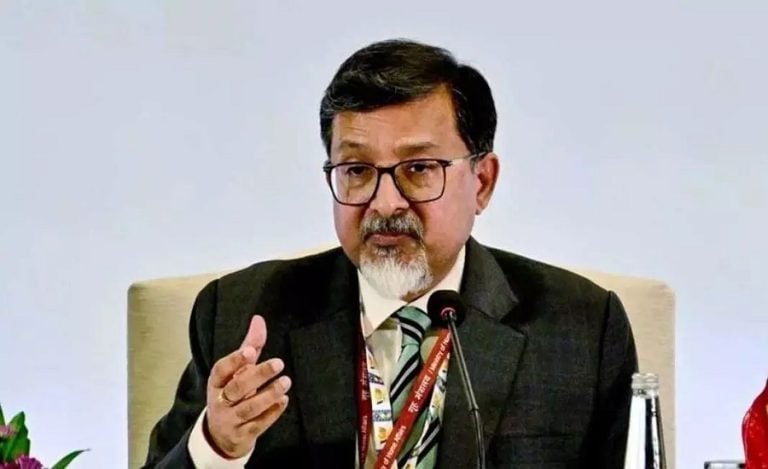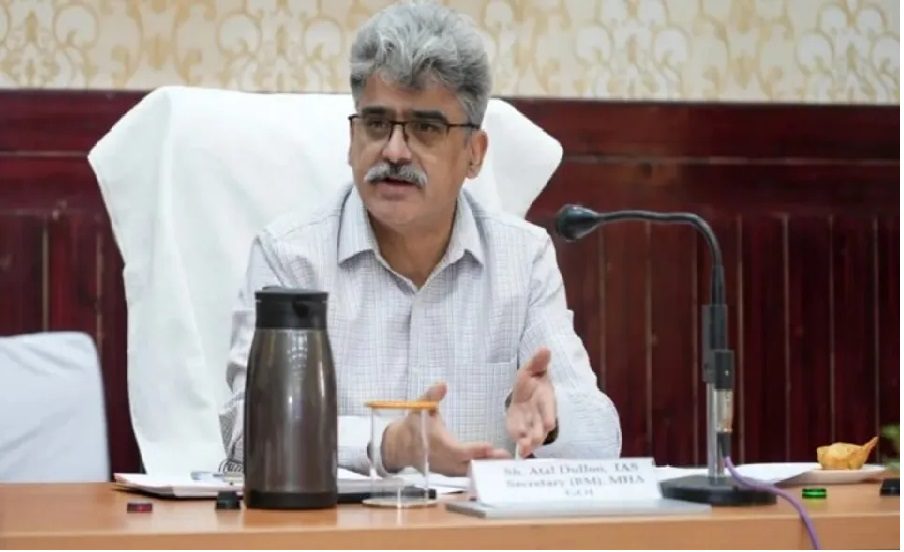
Srinagar: Jammu and Kashmir Chief Secretary Atal Dulloo, a 1989-batch AGMUT-cadre IAS officer, has called for faster and more visible improvements in urban cleanliness while reviewing the progress of the Swachh Bharat Mission-Urban (SBM-U) 2.0 and AMRUT 2.0 across the Union Territory.
Chairing a review meeting on Saturday, Dulloo stressed that sanitation efforts should go beyond creating infrastructure and deliver cleaner surroundings, better public health and improved quality of life for citizens.
He also highlighted the importance of cleanliness in Jammu and Kashmir because of its tourism significance and ecologically sensitive environment.
Focus Shifts From Infrastructure to Visible Cleanliness
During the meeting, Dulloo emphasised that the success of the Swachh Bharat Mission should be reflected on the ground.
The focus includes scientific waste management, treatment of wastewater, remediation of old dumpsites, better urban water management and technology-based planning.
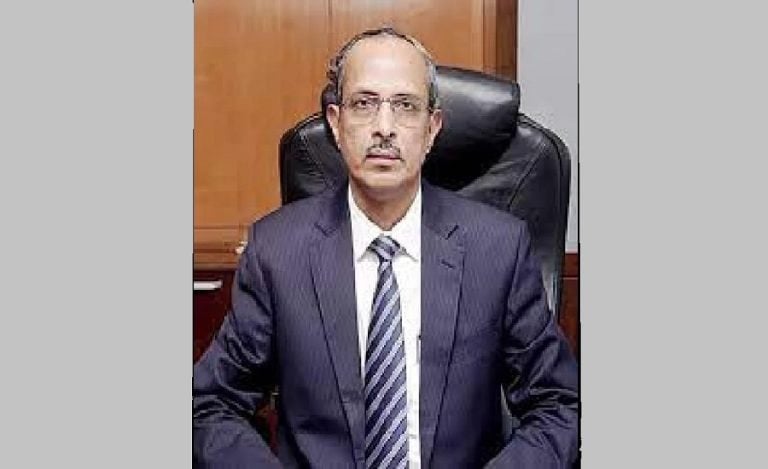
Commissioner Secretary, Housing and Urban Development Department, Mandeep Kaur presented the progress under both schemes. She also briefed officials about financial utilisation, project timelines and steps being taken to complete ongoing works on schedule.
The review comes as several urban local bodies across J&K continue to develop facilities for waste processing, resource recovery and sustainable water management.
Read also: J&K DGP Pushes Technology-Enabled Policing, Reviews Kashmir Security Preparedness
₹692 Crore SBM-U Allocation Under Review
Commissioner, Jammu Municipal Corporation, and Managing Director of SBM (Urban) and AMRUT, Devansh Yadav, informed the meeting that ₹692.12 crore had been allocated under Phase-II of SBM-U 2.0.
So far, ₹96.97 crore has been spent, while ₹57.95 crore remains available for ongoing works during the current financial year.
Officials reported progress in dry-waste processing, bio-remediation of legacy waste and the development of waste-to-resource facilities across urban local bodies.
The meeting was also informed that 62 of the 78 targeted Urban Local Bodies have completed Material Recovery Facilities (MRFs). The remaining 16 facilities are expected to be completed by December 2026.
CBG Plants Add to Waste Management Push
The review also covered projects aimed at converting waste into useful resources.
The 225-tonne-per-day Compressed Bio-Gas (CBG) plant being developed by the Jammu Municipal Corporation has achieved 50 per cent physical progress.
The Srinagar Municipal Corporation has proposed a larger 300-TPD CBG plant, which is currently undergoing an extended bidding process.
These projects are part of the broader effort to strengthen scientific processing of wet waste and reduce the dependence on conventional dumping.
Jammu, Srinagar Advance C&D Waste Facilities
Progress was also reviewed in the management of construction and demolition waste.
The 65-TPD C&D waste processing facility developed by the Jammu Municipal Corporation has been completed and is currently undergoing trial operations.
Meanwhile, the 125-TPD facility being established by the Srinagar Municipal Corporation has achieved 95 per cent physical progress and is expected to be commissioned this year.
Together, the projects are aimed at improving the handling and processing of construction waste generated in the two major urban centres.
Treated Wastewater Being Reused
The meeting also highlighted the reuse of treated wastewater as part of sustainable water management.
Treated wastewater from the Mehdi Kadal and Pahalgam sewage treatment plants is being reused for irrigation of floriculture fields.
The practice links wastewater treatment with water conservation and reduces the need for fresh water for irrigation.
₹22.37 Crore Clean Himalayan Initiative
Dulloo also reviewed projects being implemented under the Clean Himalayan and Hill Cities Initiative (CHHCI).
Around ₹22.37 crore is being invested in projects across key eco-tourism destinations of Jammu and Kashmir.
At Katra, the initiatives include container-based pink toilets and a plastic-free green corridor connecting the town with the railway station.
In Pahalgam and Patnitop, the plans include automated road sweepers, reverse vending machines and women-friendly smart toilets.
For Gulmarg, Tangmarg and Bhaderwah, proposed measures include a Waste-to-Wonder Park, eco-friendly packaging initiatives led by self-help groups and CCTV-enabled waste-monitoring systems.
Chief Secretary Seeks Time-Bound Execution
At the meeting, Dulloo directed officials to ensure that all ongoing projects are completed within their planned timelines.
He also stressed the need to keep the larger objectives of sustainable urban development, environmental protection and improved civic amenities at the centre of implementation.
For J&K’s towns and cities, the ongoing projects combine waste processing, water management, wastewater reuse and technology-based monitoring. The government is now seeking to ensure that these investments translate into visible improvements for residents as well as visitors.
The push is particularly significant for a Union Territory that attracts large numbers of tourists and contains environmentally sensitive landscapes. Better waste management and cleaner public spaces can therefore support both urban quality of life and the sustainability of important tourism destinations.