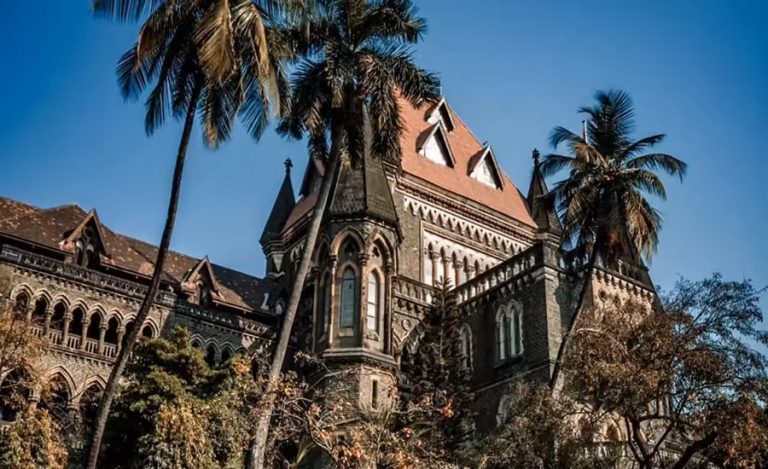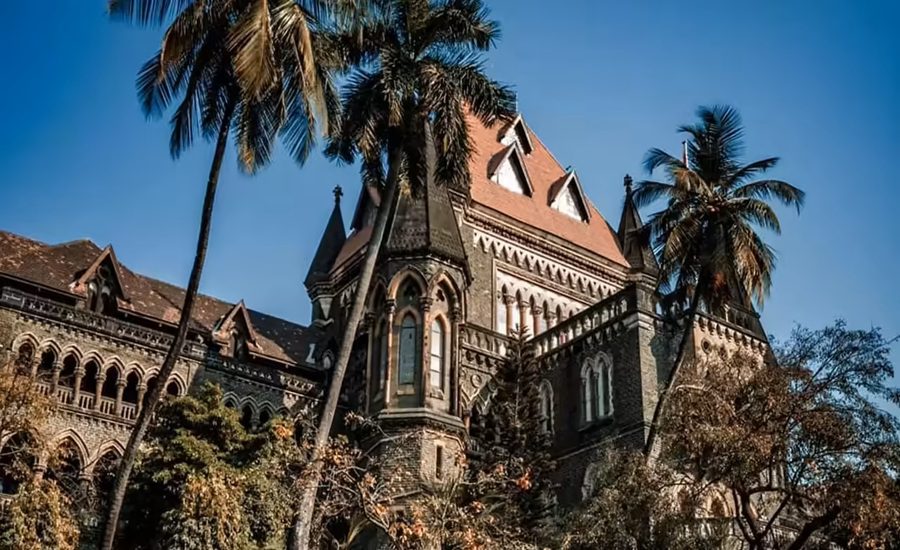
Maharashtra: The Bombay High Court has ruled that an Additional Public Prosecutor appointed on a tenure basis cannot be treated as a public servant for prosecution under the Prevention of Corruption Act, 1988, relying on the Supreme Court’s decision in State of U.P. v. Johri Mal.
The ruling came in a case involving an allegation that an Additional Public Prosecutor had demanded a ₹25,000 bribe. Justice Sharmila U. Deshmukh dismissed the Maharashtra government’s criminal revision application and upheld the accused’s discharge from the case.
Johri Mal Ruling: Bombay High Court Upholds Discharge Of Additional Public Prosecutor
The Bombay High Court rejected the Maharashtra government’s challenge to an order that discharged an Additional Public Prosecutor from corruption charges.
Read also: Is Delhi’s Prosecutor Recruitment Process Against BNSS Rules? High Court To Examine
The Court examined whether an Additional Public Prosecutor appointed for a fixed tenure could be treated as a public servant under the Prevention of Corruption Act, 1988.
The case was heard by Justice Sharmila U. Deshmukh. The Court relied on the Supreme Court’s judgment in State of U.P. v. Johri Mal to explain the difference between Public Prosecutors, Additional Public Prosecutors and Assistant Public Prosecutors.
What Was The Bribery Allegation
According to the case details, the accused, Dhananjay Sakharam Bhosale, was working as an Additional Public Prosecutor.
It was alleged that he had demanded ₹25,000 to favour an accused person in a criminal case. Following the complaint, the complainant approached the Anti-Corruption Bureau (ACB), after which a trap was arranged.
The accused sought discharge under Section 227 of the Code of Criminal Procedure, 1973. The Special Judge granted the discharge, holding that an Additional Public Prosecutor was not a public servant for the purposes of prosecution under the Prevention of Corruption Act. The State of Maharashtra challenged that order before the Bombay High Court.
Why The Court Held That An Additional Public Prosecutor Is Not A Public Servant
The High Court relied on the Supreme Court’s ruling in State of U.P. v. Johri Mal, which explains the difference between Public Prosecutors and Assistant Public Prosecutors.
The Court noted that Assistant Public Prosecutors are employees of the State. In contrast, Public Prosecutors and Additional Public Prosecutors may be appointed on a tenure basis, and their appointment conditions are not governed by the same statutory service rules.
Based on this distinction, the Court held that a person appointed as an Additional Public Prosecutor in the circumstances of this case could not be treated as a public servant for prosecution under the Prevention of Corruption Act, 1988.
Johri Mal Ruling: Court Finds Problems With The Evidence
The High Court also considered the evidence and circumstances surrounding the alleged bribery incident.
It noted that there was no clear basis to suggest that the accused had demanded a bribe to favour the complainant, whose appeal had already been allowed.
The Court also referred to discrepancies identified by the Special Judge in the statements of the panch witnesses. These witnesses are generally present to observe and document the relevant events during an official procedure, such as a trap arranged by an anti-corruption agency.
These circumstances formed part of the Court’s consideration while deciding whether the State’s challenge to the discharge order could succeed.
What Did The Bombay High Court Decide
The Bombay High Court upheld the discharge of the accused and dismissed the State of Maharashtra’s criminal revision application.
The Court reiterated that an Additional Public Prosecutor appointed on a tenure basis, as considered in this case, was not a public servant for prosecution under the Prevention of Corruption Act.
The ruling concerned the accused’s legal status and the specific circumstances of this case. It should not be read as a general statement that every prosecutor is exempt from criminal liability or that allegations of corruption against prosecutors can never be investigated under other applicable laws.
Read also: Aadhaar Attendance Row: Delhi High Court Stays Order For Public Prosecutors Over Privacy Challenge
FAQs
The Court upheld the discharge after considering the accused’s legal status, the Supreme Court’s ruling in State of U.P. v. Johri Mal, the lack of a clear basis for the alleged bribe demand and discrepancies in witness statements.
The Bombay High Court held that an Additional Public Prosecutor appointed on a tenure basis, in the circumstances of this case, could not be treated as a public servant for prosecution under the Prevention of Corruption Act, 1988.
According to the distinction discussed by the Court, Assistant Public Prosecutors are employees of the State, whereas Public Prosecutors and Additional Public Prosecutors may be appointed on a tenure basis under a different arrangement. This distinction was important to deciding whether the accused could be prosecuted as a public servant under the Prevention of Corruption Act.