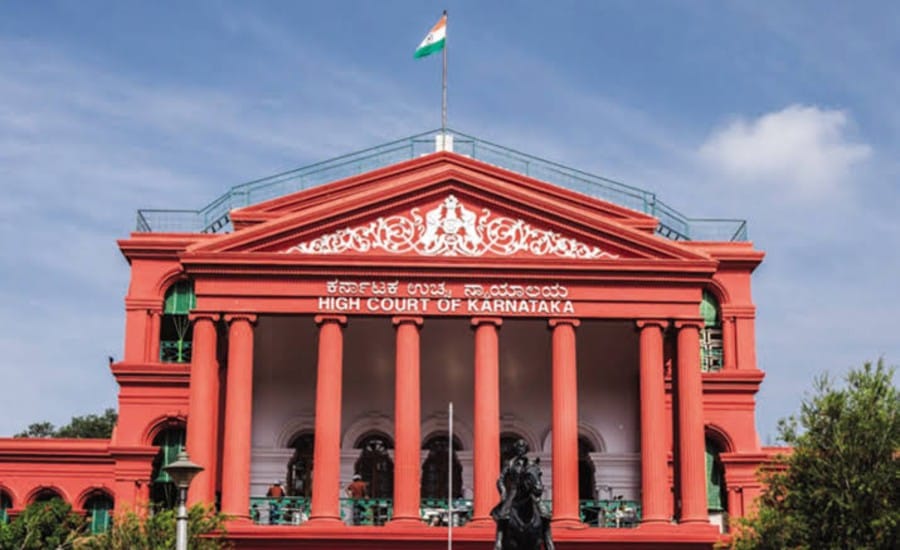
Mangaluru: The demand for a Karnataka High Court Bench in Mangaluru has gained fresh momentum as a lawyers’ organisation prepares to hold a consultative meeting on October 16, 2026. The meeting aims to build public support for establishing a circuit or permanent bench in coastal Karnataka.
The development comes after Karnataka High Court Chief Justice Vibhu Bakhru formed a three-judge committee to examine the feasibility of setting up additional benches in coastal and Malnad regions. The proposal seeks to make justice more accessible to people who currently travel to Bengaluru for court proceedings.
Mangaluru High Court Bench: Lawyers’ Body Organises Meeting In Mangaluru
The United Legal Research and Justice Trust, an organisation of advocates in Dakshina Kannada, has organised a Consultative Meeting and Solidarity Programme to support the demand for a Karnataka High Court bench in Mangaluru.
Read also: Supreme Court Reconstitutes Karnataka KPSC Recruitment SIT, Removes IPS Officer Alok Kumar
The meeting is scheduled for 4 PM on October 16, 2026, at the Indian Red Cross Building, behind the old Deputy Commissioner’s office in the Statebank area of Mangaluru.
The organisation has invited citizens and public representatives from coastal Karnataka to support the initiative. Its campaign highlights the idea that justice should be available closer to people’s homes.
The demand is particularly important for litigants from districts who face difficulties travelling long distances to attend court hearings in Bengaluru.
Three-Judge Committee Formed To Examine The Proposal
The Karnataka High Court constituted a three-judge committee through a notification dated September 29, 2026. The committee was formed by Chief Justice Vibhu Bakhru to examine whether circuit or permanent High Court benches could be established in several regions of Karnataka. The committee includes Justice Anu Sivaraman, Justice S.G. Pandit and Justice Mohammad Nawaz.
Mangaluru High Court Bench: Eight Regions To Be Examined
The committee will examine the feasibility of establishing benches in the following regions:
- Mangaluru
- Udupi
- Shivamogga
- Chikkamagaluru
- Kodagu-Madikeri
- Hassan
- Davanagere
- Uttara Kannada
The committee has been directed to consult relevant stakeholders before submitting its report to the High Court. However, a final decision on establishing a bench has not yet been announced. The committee’s assessment and recommendations will be important steps in the process.
Why Lawyers Want Mangaluru High Court Bench
One of the main arguments made by the Bar Association of Mangaluru is that litigants from coastal Karnataka must travel to Bengaluru for many High Court matters.
This can increase travel expenses, accommodation costs and the time required to pursue legal cases. The burden can be especially difficult for people with limited financial resources. The association believes a local circuit bench would make court proceedings more accessible to people from the coastal region.
Monsoon Disruptions Affect Court Attendance
Travel between coastal Karnataka and Bengaluru can become difficult during the monsoon season.
According to the representation submitted by the Bar Association, landslides and road disruptions sometimes affect routes through the Shiradi, Sampaje and Charmadi ghats. Such problems can make it difficult for litigants and lawyers to reach Bengaluru when hearings are scheduled at short notice.
Language Differences Can Create Barriers
The representation also highlights language-related difficulties faced by some litigants. Many people in coastal Karnataka speak Tulu, Konkani or Beary. The association argues that local access to legal services could make communication with lawyers easier for some litigants.
Problems With E-Filing And Virtual Hearings
The lawyers have also raised concerns about the practical limitations of e-filing and virtual hearings.
According to their representation, physical documents may still be required to resolve certain office objections, forcing lawyers to travel to Bengaluru.
The association has also cited unstable internet connections, poor audio quality and interrupted video links as problems during virtual hearings. It argues that these challenges reduce the benefits of remote access to court proceedings.
Mangaluru High Court Bench: What The Bar Association Has Proposed
In a representation dated April 21, 2026, the Bar Association of Mangaluru requested that the Chief Justice establish a circuit bench in the city.
The association proposed that the bench initially operate with one Division Bench and two Single Benches.
It referred to Section 51(3) of the States Reorganisation Act, 1956, which provides a legal framework for directing High Court judges and Division Courts to sit at another location within a state, subject to the required approvals.
The association also argued that a circuit bench could potentially be developed into a permanent bench in the future. The proposal is part of a wider demand for decentralising judicial services and reducing the difficulties faced by litigants living far from Bengaluru.
Coastal Karnataka Seeks Better Access To Justice
The demand for a High Court bench in Mangaluru has been under discussion for several months. On December 2, 2025, an earlier representation was made on behalf of Bar Associations in Dakshina Kannada, Udupi, Chikkamagaluru and Kodagu.
The representation requested that the state government identify around 10–15 acres of government land in Mangaluru for a proposed High Court complex.
It also highlighted Mangaluru’s importance as Karnataka’s port city and the region’s shipping, petroleum and infrastructure activities.
The representation referred to legal matters involving maritime claims, arbitration, educational institutions and certain local customs as additional reasons for improving regional access to the High Court.
Support From Regional Organisations
The representation also claimed support from political representatives, trade unions, chambers of commerce and non-governmental organisations.
Supporters believe a local bench could reduce travel-related difficulties and help litigants from several coastal and Malnad districts access the High Court more conveniently. However, the extent of stakeholder support and the practical requirements for a new bench remain matters for further assessment.
Bengaluru Advocates’ Association Opposes The Proposal
The proposal has also faced opposition from the Advocates’ Association Bengaluru. The association described the proposed Mangaluru circuit bench as premature without proper stakeholder consultation and an evidence-based study.
This disagreement highlights the need to examine the legal, administrative, financial and infrastructure requirements before deciding whether a new bench should be established. The three-judge committee is expected to consult stakeholders and assess the feasibility of the proposal before submitting its findings.
Circuit Bench Vs Permanent Bench: What Is The Difference
A circuit bench generally sits at a location outside the High Court’s principal seat for specified periods or according to an approved arrangement.
A permanent bench operates on a continuing basis at a designated location, subject to the applicable legal and administrative framework.
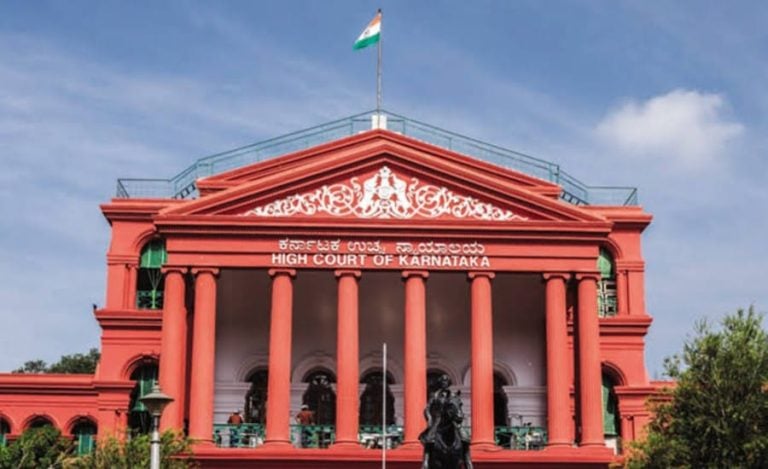
The Bar Association of Mangaluru has proposed beginning with a circuit bench, with the possibility of a permanent bench being considered later. At present, the Karnataka High Court’s principal seat is in Bengaluru, while its permanent benches are located at Dharwad and Kalaburagi.
Read also: Karnataka High Court Strikes Down Enhanced SC/ST Quota, Cites 50% Reservation Limit
FAQs
A three-judge committee comprising Justice Anu Sivaraman, Justice S.G. Pandit and Justice Mohammad Nawaz is examining the feasibility of establishing circuit or permanent benches in eight regions of Karnataka.
A High Court bench is being demanded in Mangaluru to reduce travel costs, improve access to court hearings and make justice more accessible to litigants from coastal Karnataka.
No final approval has been announced. The three-judge committee must examine feasibility, consult stakeholders and submit its report before further decisions are made.