New Delhi: CBSE OSM evaluation issues have come under the spotlight after the Supreme Court asked the Central Board of Secondary Education (CBSE) to find ways to protect students who claim they were negatively affected by the Board’s new On-Screen Marking (OSM) system.
The Court was hearing a petition alleging irregularities in the digital evaluation process, including scanning errors, missing pages, and inadequate training for teachers. The matter is important because it could impact the academic future of thousands of students in India and abroad.
CBSE OSM Evaluation Controversy: Supreme Court Raises Concern Over Students’ Interests
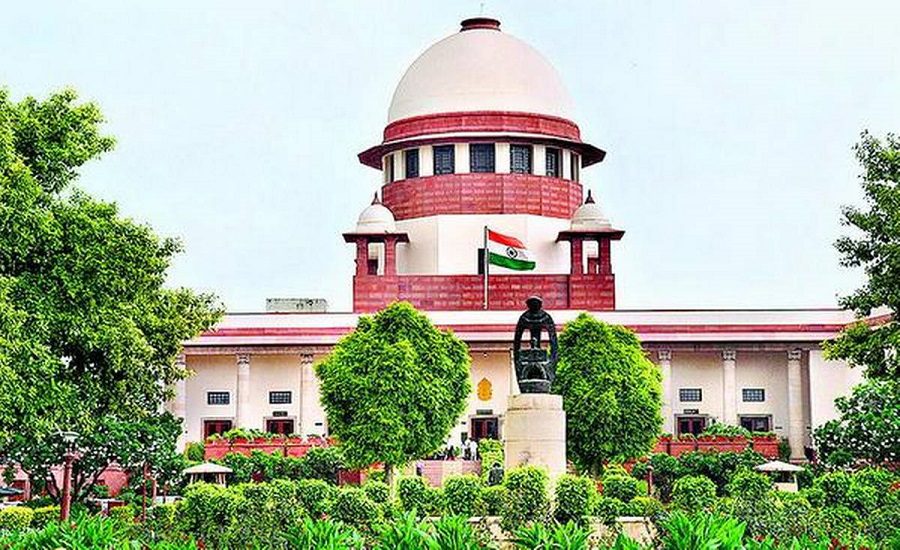
The Supreme Court has asked CBSE to explore solutions for students who allegedly suffered due to issues in the OSM evaluation system. A Bench comprising Justice Surya Kant, Justice Joymalya Bagchi, and Justice V. Mohana was informed that some students cleared their CBSE examinations but failed to secure the minimum marks needed for admission to competitive and entrance-based courses.
Read also: “Too Much Pressure!” Students Move Supreme Court Against CBSE Language Rule Full Details Inside
The Court asked CBSE to examine the matter and determine how the interests of affected students can be protected. The Bench observed that some admission processes had already started, making the issue more urgent for students seeking higher education.
What Is The CBSE OSM System
The On-Screen Marking (OSM) system is a digital answer-sheet evaluation process introduced by CBSE.
Under this system, answer sheets are scanned and uploaded digitally. Teachers evaluate the scanned copies online instead of checking physical answer books.
CBSE introduced the system to improve efficiency, transparency, and speed in the evaluation process. The petition before the Supreme Court claims that the implementation of the system led to several technical and procedural issues.
What Are The Allegations Against The OSM Evaluation System
According to the petition, CBSE issued several circulars in February 2026 regarding the implementation of the OSM system. The petitioner argued that teachers were not provided adequate formal training before the system was introduced. The petition also alleges that some answer sheets faced scanning-related problems.
These alleged issues include:
Missing Pages During Scanning
Some pages of answer sheets were reportedly not scanned properly. As a result, students claim that certain answers may not have been evaluated.
Unreadable Or Poor-Quality Scans
The petition alleges that some scanned answer sheets were unclear or difficult to read. This may have affected the ability of evaluators to assess answers correctly.
Incomplete Evaluation Of Answers
The plea claims that certain answers or entire pages may have remained unchecked due to technical issues in the digital evaluation process. According to the petitioner, these alleged mistakes resulted in unfair marking in some cases.
CBSE OSM Evaluation Controversy: What Did The Petitioner Tell The Supreme Court
The petitioner argued that the alleged irregularities had serious consequences for students. According to the plea, some students scored lower marks than expected and were unable to meet admission cut-offs for professional and entrance-based courses.
The petitioner also claimed that students in India and abroad may have been affected. The plea stated that the alleged errors could impact students’ future educational and career opportunities.
Concerns Over Access To Answer Sheets
The petition further stated that some students who sought copies of their answer sheets did not receive them because the answer sheets had not yet been uploaded on the CBSE portal.
This raised concerns regarding transparency and the ability of students to verify their evaluated answer scripts. Access to answer sheets is considered important for students seeking re-evaluation or clarification of marks.
Pass Percentage Also Mentioned In The Petition
The plea referred to CBSE Class 12 examination results and claimed that the overall pass percentage declined in 2026.
According to the petition, the pass percentage fell to 85.2%, which was lower than the previous year and the lowest level recorded in several years. The petitioner argued that the alleged irregularities may have contributed to this decline. However, no judicial finding has been made on this claim, and the matter remains under consideration.
CBSE OSM Evaluation Controversy: What Relief Has Been Sought
The petition has requested multiple forms of relief from the Court. These include:
- Re-evaluation or rechecking of answer sheets.
- Review of alleged disqualifications.
- Protection for students affected by evaluation issues.
- Permission for affected students to participate provisionally in admission processes while the matter is being examined.
The petitioner argues that these measures are necessary to prevent students from losing educational opportunities.
CBSE’s Role Going Forward
Following the Court’s observations, CBSE is expected to examine the concerns raised regarding the OSM system. The Board may review complaints, evaluate the functioning of the digital assessment process, and determine whether any corrective measures are required.
The Court has not yet delivered a final ruling on the allegations. The matter remains under judicial consideration.