New Delhi: Supreme Court Draft AI Rules 2026 have been released for public consultation, marking a major step in regulating the use of Artificial Intelligence (AI) in India’s judicial system.
The draft framework allows lawyers, litigants, and courts to use AI tools for assistance but makes it mandatory to disclose AI-generated content submitted before courts. Most importantly, the Supreme Court has made it clear that AI cannot replace judges or influence judicial decision-making.
Details of Supreme Court Draft AI Rules 2026
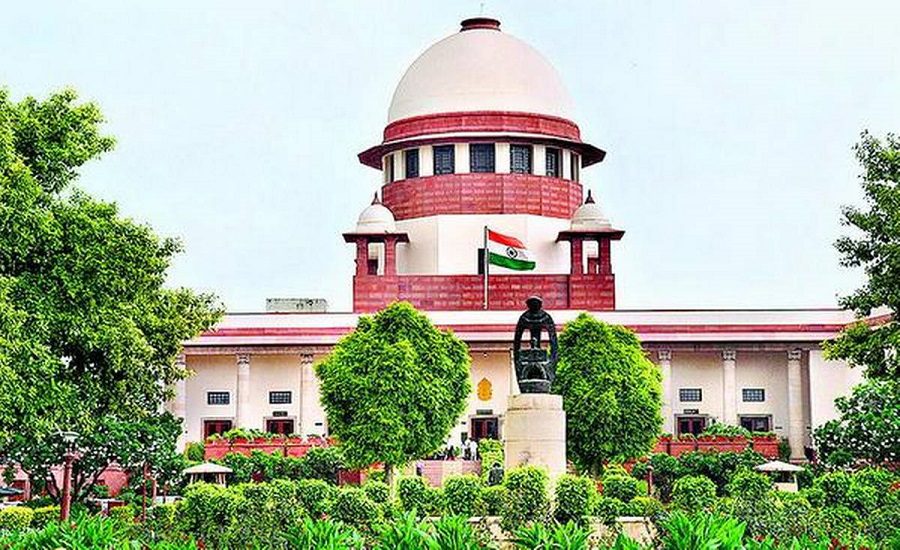
The Supreme Court of India has released the draft “Regulations for Use of Artificial Intelligence (AI) in Courts, 2026” and invited comments from stakeholders and the public.
Read also: Supreme Court Fights Back Against AI Chaos — Demands Strict Regulation of Generative AI in Judiciary
The proposed regulations aim to:
- Encourage responsible use of AI in courts.
- Improve efficiency in legal research and court administration.
- Protect judicial independence.
- Ensure accountability for AI-generated content.
- Maintain human control over judicial decisions.
Key Highlights of the Supreme Court Draft AI Rules 2026
1. Lawyers Must Disclose AI Use
One of the most important provisions is mandatory disclosure.
If a lawyer, litigant, or legal representative uses AI while preparing:
- Pleadings
- Court documents
- Written submissions
- Evidence
they must inform the court that AI assistance was used.
The court may also ask for:
- The AI system used.
- The extent of AI assistance.
- Verification steps taken to ensure accuracy.
2. AI Cannot Make Judicial Decisions
The draft regulations clearly state that:
- AI can only function as an assistive tool.
- AI cannot decide cases.
- AI cannot determine questions of law or facts.
- AI cannot replace judges.
- AI cannot influence judicial discretion.
The Supreme Court has emphasized the principle of human primacy, ensuring that judicial authority remains exclusively with human judges.
3. AI Can Be Used for Limited Court Functions
The proposed framework permits AI for:
- Legal research
- Drafting assistance
- Translation services
- Transcription
- Case management
- Administrative support
These uses are intended to improve efficiency while keeping final authority with judicial officers.
4. Users Remain Responsible for AI Errors
The draft rules make it clear that parties cannot avoid responsibility by blaming AI.
If an AI-generated document contains:
- Incorrect information
- Fabricated citations
- Misleading facts
- False legal references
the person submitting it remains fully responsible.
This provision addresses growing concerns worldwide regarding AI “hallucinations” and fake legal citations.
Why the Supreme Court Introduced These Rules
The judiciary is increasingly using technology to improve efficiency.
India’s Supreme Court has already experimented with AI-based initiatives such as:
- SUVAS (translation of judgments into regional languages)
- SUPACE (AI-assisted case analysis and summarization)
At the same time, courts globally have reported cases where AI-generated legal documents contained fake citations and inaccurate information. The draft regulations seek to balance innovation with accountability.
Public Comments Invited
The Supreme Court has placed the draft regulations in the public domain and invited suggestions and comments from stakeholders before finalizing the framework.
Legal professionals, technology experts, academics, and citizens can review the proposed regulations and submit feedback.
Read also: Supreme Court Clarifies Article 12: Bar Associations Not Subject to Writ Jurisdiction