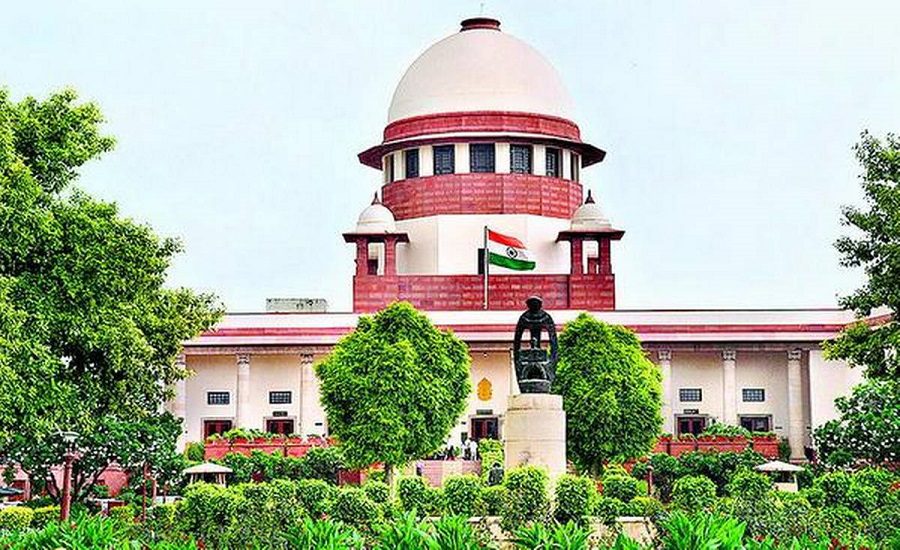
New Delhi: Supreme Court banks cannot blacklist advocates is the key message from a landmark judgment delivered on July 7, 2026. The Supreme Court ruled that banks and the Indian Banks’ Association (IBA) cannot place lawyers on a “caution list” merely because of alleged negligence or an incorrect legal opinion. The Court said only the Bar Councils have the legal authority to examine allegations of professional misconduct against advocates.
Details of Supreme Court Ruling on Banks Advocates Blacklist
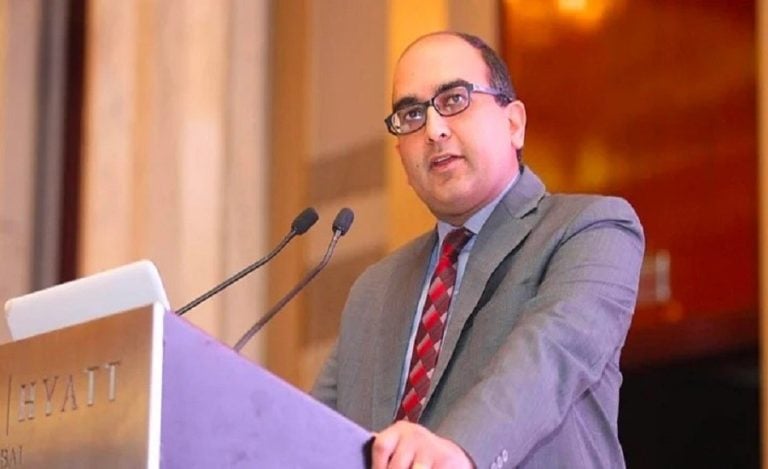
The judgment came in the case Ajay Vijh v. Indian Banks Association & Others. The case involved advocate Ajay Vijh, whose name was placed on the IBA’s caution list after Canara Bank alleged negligence in a legal opinion related to a loan transaction. The Supreme Court held that such action was beyond the powers of banks and the IBA.
Read also: Supreme Court Wants Better-Trained Lawyers, Calls for National Legal Academy
What Did the Supreme Court Say
The Court made it clear that banks have the right to remove a lawyer from their own panel if they are unhappy with the quality of services. However, banks cannot publicly declare a lawyer professionally incompetent by circulating their name across the banking system. The judges said such public blacklisting is illegal and exceeds the authority given to banks.
Supreme Court Ruling on Banks Advocates Blacklist: Why the IBA Caution List Cannot Be Used
According to the Court, the RBI-backed IBA caution list was originally created to warn banks about fraudulent borrowers and serious misconduct affecting the banking system. It was never intended to punish lawyers for alleged professional negligence or mistakes in legal opinion. Therefore, using the caution list against advocates is legally unsustainable.
Professional Misconduct Is the Bar Council’s Responsibility
The Supreme Court emphasized that issues relating to the professional conduct of advocates are governed by the Advocates Act, 1961. Only the Bar Council of India and the respective State Bar Councils have the power to investigate and decide whether an advocate has committed professional misconduct. Banks and other outside agencies cannot perform this role.
Supreme Court Ruling on Banks Advocates Blacklist: Court Protects Independence of the Legal Profession
The Bench observed that an independent legal profession is essential for the justice system.
Allowing banks or other institutions to publicly label lawyers as negligent would interfere with the legal profession’s independence and damage advocates’ reputation without proper disciplinary proceedings.
The Court said self-regulation through Bar Councils is an important safeguard under Indian law.
Supreme Court Ruling on Banks Advocates Blacklist: Additional Directions to the Bar Council of India
While protecting advocates from unlawful blacklisting, the Supreme Court also stressed the need for stronger accountability within the legal profession. The Court directed the Bar Council of India (BCI) to:
- Conduct a comprehensive audit of disciplinary mechanisms.
- Improve transparency and efficiency in handling misconduct cases.
- Consider establishing a National Legal Academy for continuing legal education of advocates.