https://indianmasterminds.com

ADVERTISEMENT
ADVERTISEMENT

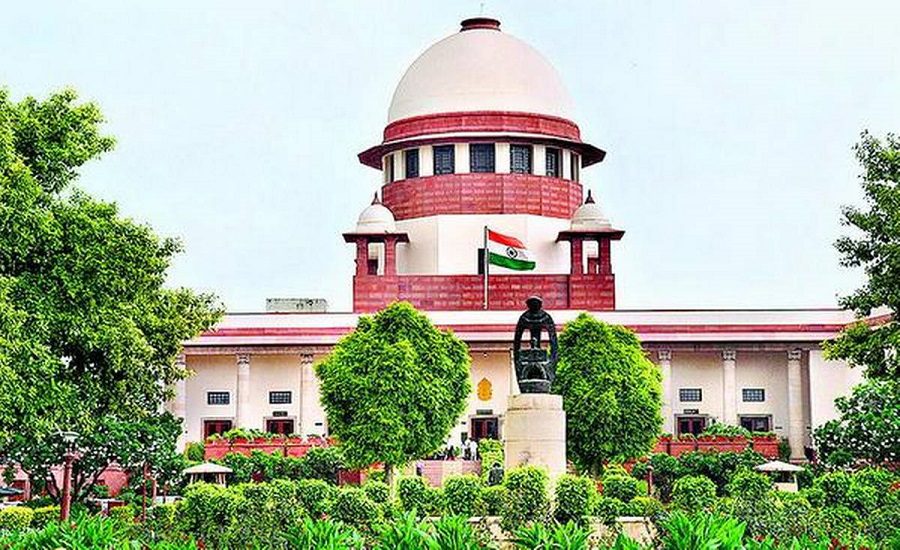
Supreme Court Sets 3-Month Deadline for States to Regulate Police Media Briefings in Criminal Cases

The Supreme Court has directed all Indian states to frame media briefing policies for criminal cases within three months, aiming to prevent media trials and protect privacy during ongoing investigations.
Jojari River Pollution Case
Indian Masterminds Stories

New Delhi: The Supreme Court gives States 3 months to frame media briefing policies for criminal cases, directing all states to adopt clear guidelines on how police communicate with the press during ongoing criminal investigations. 

This directive aims to prevent media trials, protect privacy, and ensure fair investigations. 

Why the Supreme Court Took Action on Media Briefing Policies for Criminal Cases

The Supreme Court of India recently ordered all state governments to prepare media briefing policies for criminal cases within three months. 

Read also: False FIR Under Scanner: What the Allahabad High Court Said on False FIRs and Why Police Can No Longer Ignore Them

The Court is concerned that unregulated police interactions with journalists can cause media trials, leak sensitive information, and even prejudice ongoing investigations.

The bench, led by Justices M.M. Sundresh and N. Kotiswar Singh, expressed disappointment that earlier directions to act in this area were ignored by many states.

The Origin of the Order

This move stems from a long-running legal battle that began in the late 1990s. Public interest petitions were filed by the People’s Union for Civil Liberties (PUCL) challenging alleged fake police encounters and calling for better regulation of how police communicate with the media.

While the Supreme Court issued guidelines on police encounters in 2014, the question of media communication remained unresolved. The latest order now seeks to close that gap.

Media Briefing Policies for Criminal Cases: What States Must Do

The Supreme Court has given all states three months from the date they receive the order to:

  • Draft a comprehensive media briefing policy
  • Base it on a detailed Police Manual for Media Briefing
  • Ensure the policy balances public information with investigation integrity and privacy rights

The Court also asked that the manual prepared by the amicus curiae (court-appointed expert) — Senior Advocate Gopal Sankaranarayanan — be uploaded on the Supreme Court website for reference.

What the Police Manual Says

The manual is a 60-plus page document offering a structured set of guidelines about what information can be shared at various stages of criminal proceedings. These include:

  • What may be disclosed before and after a First Information Report (FIR)
  • Communication protocols during investigation and arrest
  • How to avoid revealing witness identities or details that may prejudice a fair trial

Its goal is to help police departments communicate effectively without compromising ongoing cases or violating the privacy of victims and accused persons.

Key Concerns Behind the Order

The Supreme Court highlighted several pressing reasons behind the directive:

1. Avoiding Media Trials

Unstructured communication can lead reporters to jump to conclusions, creating a perception of guilt before the trial begins. This may unfairly influence public opinion and the legal process.

2. Protecting Privacy

Sensitive details about victims, especially in cases of sexual violence, can damage personal privacy and dignity. Clear policies are expected to prevent such disclosures.

3. Safeguarding Fair Investigations

Premature comments by officials can affect witness testimony, legal rights, and the justice process. A structured approach protects both the investigation and the rights of all parties.

What Happens Next

Once states draft their media briefing policies, they must notify and publish them so that police departments can implement these guidelines uniformly. The Supreme Court’s move intends to bring consistency across India in how criminal cases are discussed with the public and press.

This decision marks an important step in balancing freedom of information with fair trial rights and privacy protections.


Read also: Who Can Investigate Corruption Cases Against Central Officers? Supreme Court Explains the Law
Indian Masterminds Stories
ADVERTISEMENT
ADVERTISEMENT
Related Stories
ADVERTISEMENT
ADVERTISEMENT
NEWS
BARC HALEU Thorium Fuel Study
₹20,000 Crore Nuclear Energy Mission to Develop Small Modular Reactors, Govt Tells Parliament
CM Nitish Kumar
Bihar CM Nitish Kumar Launches ₹546 Crore Development Projects in Araria During Samriddhi Yatra
APEDA
APEDA Highlights India’s ₹5 Lakh Crore Agri and Processed Food Exports at AAHAR 2026
CM Stalin
‘More Collectors and Secretaries from Tamil Nadu’: CM Stalin Urges Youth to Join Civil Services
Aadhaar Vision 2032
UIDAI Launches Bug Bounty Programme to Strengthen Aadhaar Security and Protect Citizen Data
Digital-India-
Digital India Boosts Inclusion: Internet Access Soars, Data Costs Drop, Aadhaar & UPI Transform Governance
Poshan 2
Govt Strengthens Anganwadi Infrastructure Under Mission Saksham Anganwadi and Poshan 2.0
Fiscal Health Index 2026
NITI Aayog Launches Second Edition of Fiscal Health Index 2026 to Assess States’ Financial Performance
ADVERTISEMENT
ADVERTISEMENT
Videos
WhatsApp Image 2026-03-02 at 10.22
Beno Zephine: India’s First 100% Visually Challenged IFS Officer Who Rewrote the Rules of Diplomacy | EXCLUSIVE
Prajesh Kanta Jena
How IFS Prajesh Kanta Jena Empowered Women & Youth at Palamau Tiger Reserve
WhatsApp Image 2026-02-23 at 12.13
Exclusive | From Ridge to River: Prajesh Kanta Jena’s Community-Led Conservation Drive at Palamau
ADVERTISEMENT
UPSC Stories
eiwueiwueiwuiwuiwueiw
From Interview Rejection to AIR 4: How Bihar’s Raghav Jhunjhunwala Turned His Third UPSC Attempt into Historic Success | Exclusive
Raghav Jhunjhunwala from Muzaffarpur, Bihar, secured AIR 4 in UPSC CSE 2025 in his third attempt after...
Dreams from the Hills: The Journey to Civil Services
Dreams from the Hills: Doctor from Remote Manipur Village Cracks UPSC CSE-2025
Dr. Th. Vapani John Tao from Manipur’s remote Oinam Hill Village secured AIR 800 in UPSC CSE 2025. A...
Simrandeep-Kaur-becomes-IAS-All-India-15th-rank
Punjab’s Daughter Secures AIR 15: Inside Simrandeep Kaur’s UPSC 2025 Success Story
Simrandeep Kaur from Punjab secured AIR 15 in UPSC CSE 2025. From a village upbringing to studying political...
Social Media
One-Horned Rhino Calf
Watch: First One-Horned Rhino Calf of 2026 Takes Birth at Jaldapara National Park, IFS Officer Shares Rare Footage
A newborn one-horned rhinoceros calf was spotted at Jaldapara National Park on January 1, 2026. IFS officer...
venomous banded krait
Rare Night Encounter: IFS Officer Spots Highly Venomous Banded Krait During Forest Patrol, Internet Amazed
An IFS officer’s night patrol video of a highly venomous banded krait has gone viral, highlighting India’s...
elephant rescue Karnataka
Heroic Karnataka Elephant Rescue: How a 28-Hour “Impossible Mission” Became a Triumph of Wildlife Care, IFS Parveen Kaswan Shares Video
A trapped elephant was rescued after 28 hours in Karnataka through a massive, expertly coordinated Forest...
ADVERTISEMENT
ADVERTISEMENT
ADVERTISEMENT
Latest
eiwueiwueiwuiwuiwueiw
From Interview Rejection to AIR 4: How Bihar’s Raghav Jhunjhunwala Turned His Third UPSC Attempt into Historic Success | Exclusive
BARC HALEU Thorium Fuel Study
₹20,000 Crore Nuclear Energy Mission to Develop Small Modular Reactors, Govt Tells Parliament
ADVERTISEMENT
ADVERTISEMENT
ADVERTISEMENT
ADVERTISEMENT
ADVERTISEMENT
ADVERTISEMENT
ADVERTISEMENT
Videos
WhatsApp Image 2026-03-02 at 10.22
Prajesh Kanta Jena
WhatsApp Image 2026-02-23 at 12.13
ADVERTISEMENT
ADVERTISEMENT