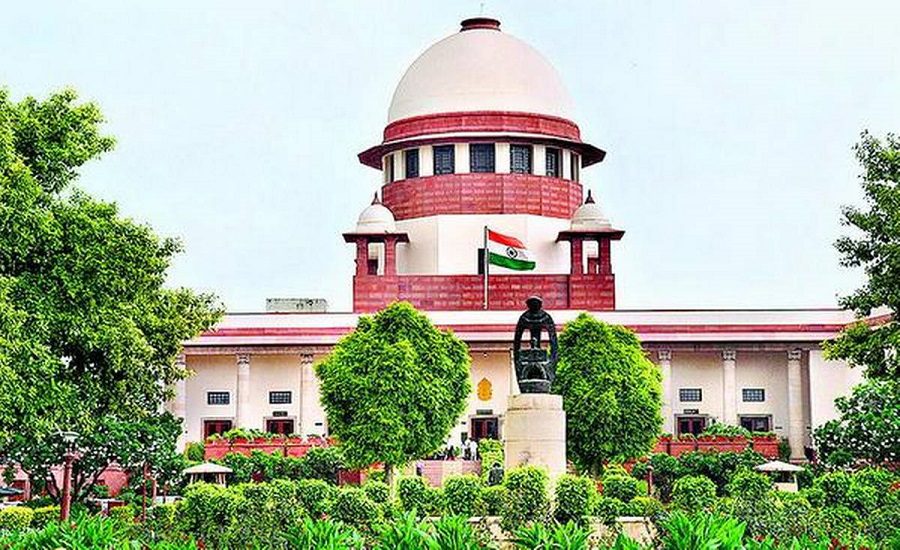
New Delhi: The Supreme Court suo motu case on NCLT delays has brought fresh attention to the slow approval process of corporate resolution plans in India. Acting on an official report, the Supreme Court of India has taken suo motu cognisance of delays by the National Company Law Tribunal (NCLT).
The Court noted that multiple resolution plans under the Insolvency and Bankruptcy Code (IBC) remain pending for approval, raising concerns about efficiency, investor confidence, and timely debt resolution.
Why the Supreme Court Stepped In
The apex court relied on a report submitted by the Registrar of the NCLT’s Principal Bench.
According to the report:
- Around 38 applications for approval of resolution plans are still pending.
- These cases involve companies undergoing insolvency under the Insolvency and Bankruptcy Code (IBC).
The Court observed that such delays defeat the core objective of the IBC, which is time-bound resolution of stressed assets.
Supreme Court Suo Motu Case on NCLT Delays: What is the Core Issue?
The IBC framework was designed to ensure faster resolution of corporate insolvency cases.
However, delays at the NCLT stage are causing:
- Longer wait times for creditors
- Reduced recovery value
- Uncertainty for investors
- Loss of economic value of distressed companies
The Court highlighted that once a resolution plan is approved by the Committee of Creditors (CoC), it should ideally be cleared quickly by the NCLT.
Role of NCLT and NCLAT
The National Company Law Tribunal (NCLT) acts as the adjudicating authority for insolvency cases.
Appeals from NCLT decisions go to the National Company Law Appellate Tribunal (NCLAT). Delays at the NCLT level can create a backlog that affects the entire insolvency ecosystem.
Bench Observations
The matter was heard by a bench led by:
- Justice JB Pardiwala
- Justice KV Viswanathan
The bench expressed concern that delays in approving resolution plans undermine the effectiveness of insolvency proceedings.
Read also: Who is Anupinder Singh Grewal? New NCLT President Set to Transform India’s Insolvency System