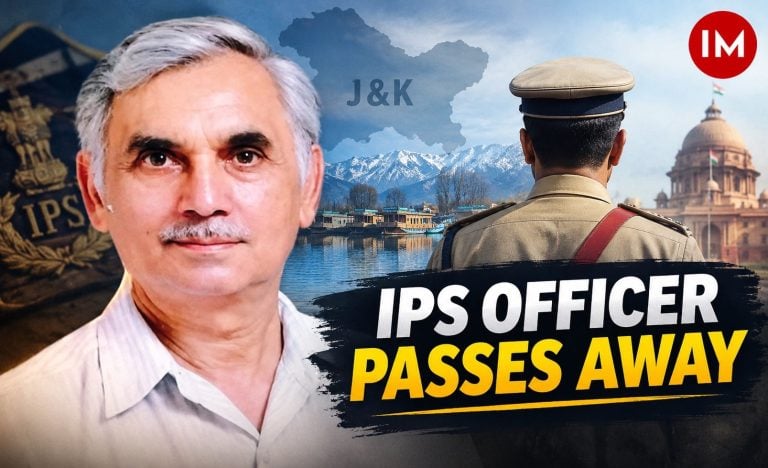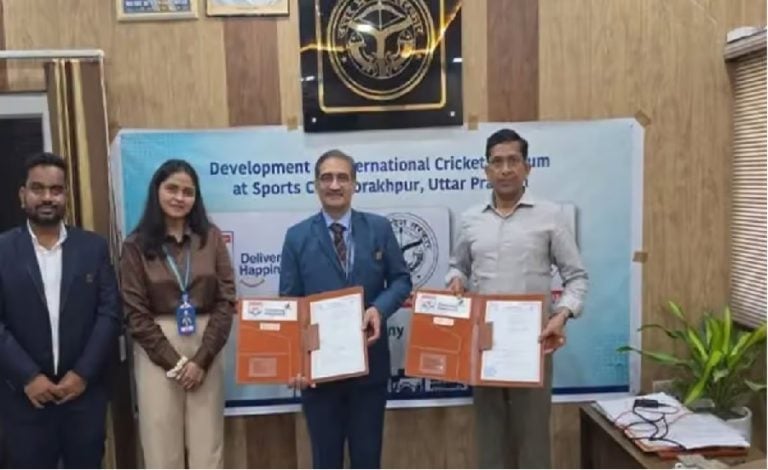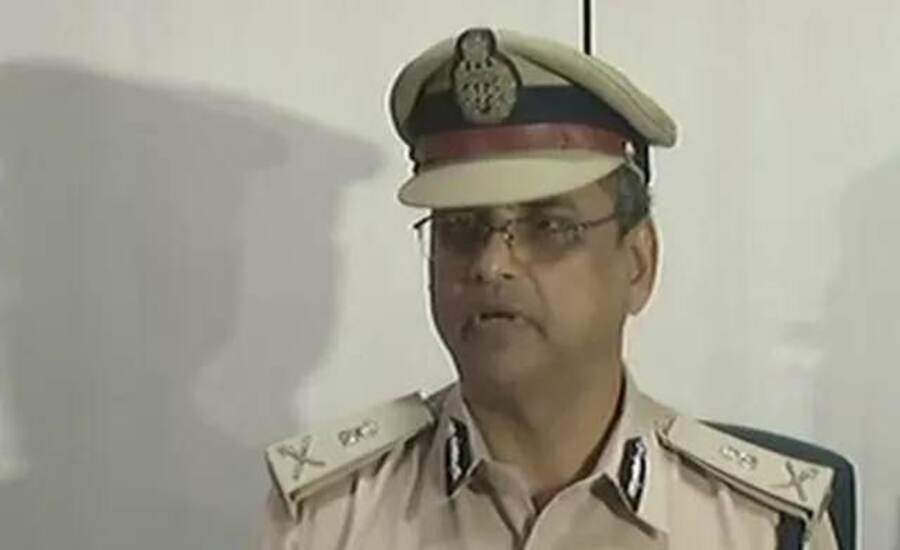
Patna: In a significant administrative decision aimed at ensuring continuity and stability in police recruitment, the Bihar government has extended the tenure of former Director General of Police (DGP) K. S. Dwivedi as Chairman of the Bihar Police Subordinate Services Commission (BPSSC). The extension will allow the 1984-batch IPS officer to continue in the role until he attains the age of 68 or until further orders.
Government Extends Tenure, Notification Issued
The state Home Department has issued an official notification confirming the extension of K. S. Dwivedi’s tenure. The decision is being viewed as a strategic move by the Samrat Choudhary-led government to retain experienced leadership in key institutional roles.
Officials indicated that the move ensures continuity in decision-making and stability in the functioning of the commission, particularly at a time when multiple recruitment processes are underway.
Focus on Stability in Police Recruitment
The Bihar Police Subordinate Services Commission (BPSSC) plays a crucial role in recruiting Sub-Inspectors and other subordinate-level police personnel. By extending K. S. Dwivedi’s tenure, the government aims to strengthen transparency, efficiency, and consistency in recruitment examinations.
Sources suggest that the decision is intended to send a clear message that experience and integrity are key considerations for leadership roles in governance.
Experienced Leadership at the Helm
A 1984-batch IPS officer of the Bihar cadre, Mr Dwivedi has held several important positions during his career, including serving as the Director General of Police of Bihar in 2018.
After his retirement, he was appointed Chairman of BPSSC on April 10, 2023. Prior to this, he also served as Chairman of the Central Selection Council in Bihar until January 2023, overseeing recruitment-related processes.
Known within administrative circles for his strict discipline and integrity, his continued presence is expected to lend credibility to ongoing and upcoming recruitment drives.
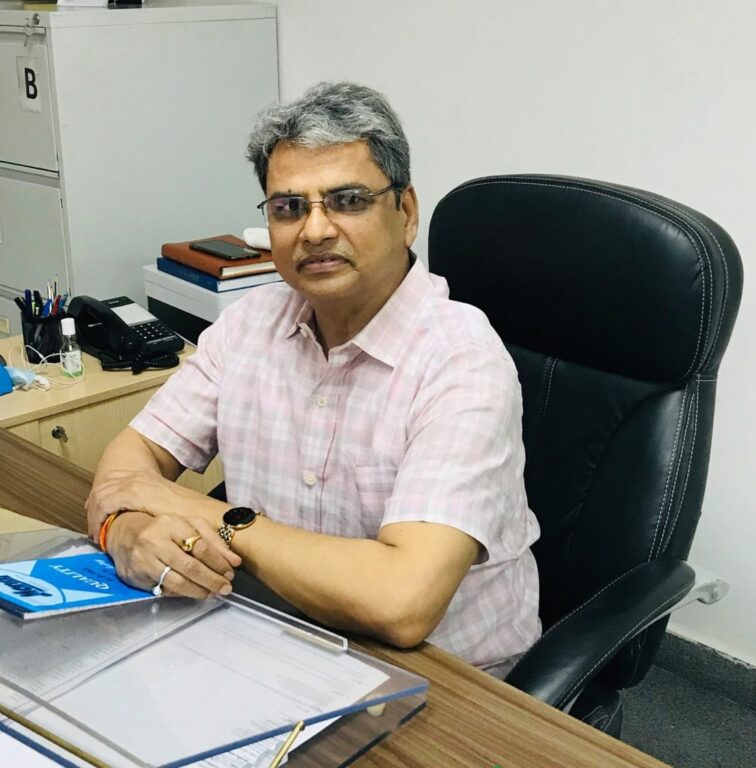
Background and Personal Profile
Ex-IPS Dwivedi hails from Jalaun district in Uttar Pradesh and belongs to the Bundelkhand region. Over the years, he has built a reputation as a firm and principled officer.
His family includes his son Shubham Dwivedi, a medical professional; his sister Sukriti Dwivedi, who holds advanced academic qualifications; and his brother-in-law Rajiv Mishra, also an IPS officer.
Bhagalpur Riots: A Defining Chapter in His Career
One of the most debated phases of K. S. Dwivedi’s career was during the 1989 Bhagalpur riots, when he was posted as Superintendent of Police.
At the time, the severity of the communal violence led then Prime Minister Rajiv Gandhi to consider his removal. However, public protests led to the decision being deferred.
Subsequently, multiple inquiries – including the Justice Ramanand Prasad Commission and later probes ordered by successive state governments—gave him a clean chit. Despite the controversy, he continued to be regarded as a committed and disciplined officer.
Impact on BPSSC Recruitment and Governance
The extension is expected to have a direct impact on recruitment processes conducted by BPSSC, particularly for Sub-Inspector-level posts.
Administrative sources believe that retaining Mr Dwivedi will:
- Ensure continuity in examination processes
- Maintain transparency and confidentiality
- Strengthen institutional stability
- Improve efficiency in large-scale recruitment drives
The inclusion of “until further orders” in the notification also suggests that the government intends to avoid immediate structural changes within the commission.
Political and Administrative Significance
The decision reflects the Bihar government’s broader strategy of relying on experienced administrators for key roles. It also signals a preference for stability and continuity, particularly in institutions that directly impact governance and law enforcement.
Observers note that such moves may become more common, especially in the run-up to major administrative or electoral cycles, where efficient recruitment and law-and-order mechanisms are critical.

What This Means for Governance Going Forward
The extension of K. S. Dwivedi’s tenure underscores the government’s emphasis on experience, institutional memory, and administrative consistency. As Bihar continues to focus on strengthening its recruitment systems and law enforcement framework, leadership continuity at BPSSC is likely to play a pivotal role.
The coming months will be crucial in assessing how this decision impacts recruitment transparency, efficiency, and public trust—key pillars for effective governance in the state.